How To Select The Perfect Arc lash trousers For Your Workplace Safety
Being compliant isn't the only reason to choose the right arc flash trousers for your workplace; they also keep your employees safe from life-threatening injuries during electrical events. Arc flash trousers are special protective clothing made from advanced flame-resistant materials and put through a lot of tests to make sure they keep workers safe from the very high temperatures that are released during arc flashes. Unlike most job clothes, these pants meet strict safety standards like ANSI and NFPA 70E, which means they can stand up to extreme heat without melting or catching fire. To choose the right pair, you need to know about arc rates, material quality, levels of danger in the workplace, and comfort features that help you stay productive during long shifts in tough conditions.
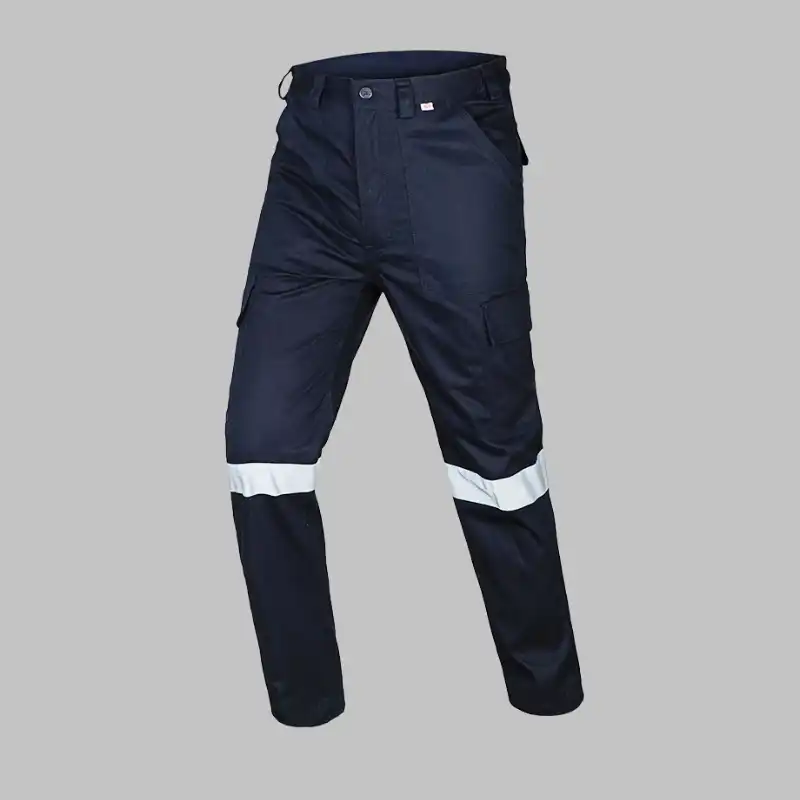
Understanding Arc Flash Trousers and Their Role in Workplace Safety
What Makes Arc Flash Protection Different
Temperatures can rise to 35,000°F in milliseconds during an electrical arc flash, which is hotter than the sun's surface. It is made so that arc flash trousers can protect you from this terrible thermal danger. The fabric is usually made of naturally flame-resistant materials, such as aramid fibers (Nomex, Kevlar), modacrylic blends, or treated cotton that won't catch fire or keep burning after the source of ignition is taken away. This is very different from regular flame-retardant workwear, which might protect you from open fires but doesn't have the proven arc rating needed for electrical work settings.
The Arc Thermal Performance Value (ATPV) tells you how much energy an incident arc can hit the cloth and stop before it causes a second-degree burn. It is given in calories per square centimeter. With this rating system, safety managers can easily match protective clothes to the estimated amounts of incident energy in their buildings. In addition to protecting you from heat, good arc flash trousers are made with safety features that stop secondary injuries. For example, they have non-conductive closures that won't cause more arc paths and reinforced stitching that keeps the garment's structure during the pressure wave of an electrical problem.
Compliance Standards That Matter
For electrical safety clothing, the North American market puts a lot of emphasis on meeting ANSI/ASTM standards. NFPA 70E sets the rules for arc flash risk ratings and assigns PPE into four groups, with Category 1 having a minimum of 4 cal/cm² and Category 4 having a minimum of 40 cal/cm². Construction companies, utilities, and factories are regularly checked to make sure that their protective clothing meets these known levels of danger. It is the job of procurement managers to make sure that arc flash trousers have valid test certificates that show they meet ASTM F1959 standards. These certificates prove the amount of protection that the clothing is supposed to provide.
Standards in international markets work hand-in-hand. When European centers use EN 61482-1-1 and EN 61482-1-2 testing procedures, they also make sure that the materials they use are environmentally friendly. Knowing about these regional differences can help B2B buyers who do business in more than one place make sure that their operations are protected consistently while still meeting local regulations.
Key Factors to Consider When Selecting Arc Flash Trousers
Arc Rating Requirements and Hazard Assessment
The Arc Flash Hazard Analysis for your building is the basis for choosing the right levels of protection. This engineering study figures out how much incident energy workers might face at different places with electrical tools. You must make sure that the ATPV grade of the arc flash trousers you select is at least as high as these numbers. For routine maintenance, many factories and construction sites find that PPE Category 2 (8 cal/cm²) is enough protection. However, high-voltage substations and switchgear operations need Category 3 or 4 clothing.
Shenzhen Welston Garment Co., Ltd. has been working with major retailers, construction companies, and logistics companies across North America for over 20 years to make sure their protective workwear meets these safety standards. Because we know how to make flame-retardant fabrics, we can make arc-rated trousers that meet the needs of both approved safety and everyday wearability.
Material Composition and Durability
The cloth blend has a big effect on both how well the outfit protects and how long it lasts. Inbuilt flame-resistant materials like aramid keep their protective qualities for the whole life of the clothing, even after being washed many times in an industrial setting. Treated cotton is comfortable and lets air flow through it, but it needs to be washed carefully to keep the chemical flame-retardant treatment. Modacrylic mixes are great for protecting against arcs and are also very resistant to wear and tear in places where people regularly sit, crawl, and touch rough surfaces.
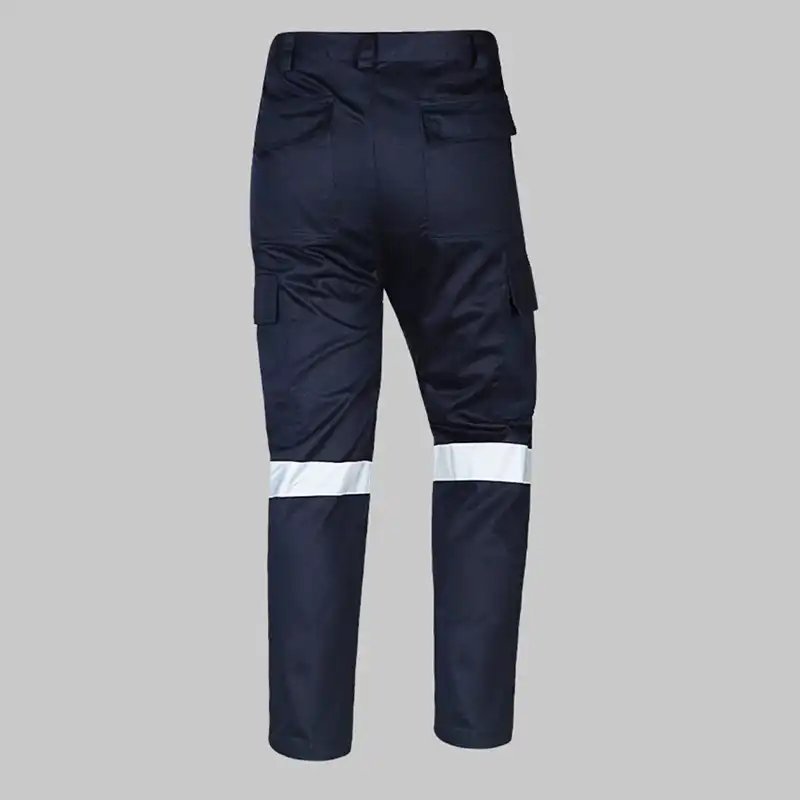
Arc flash trousers can last longer in tough situations thanks to reinforced stitching at stress points like the knees, seat, and pocket openings. Knee pad pockets that can hold replaceable padding are especially helpful for construction workers and utility technicians because they protect joints while kneeling for long periods of time while keeping the garment's arc rating. Welston has 10 production lines with modern JUKI and SHINLING equipment. This makes sure that the stitching quality is always the same and can handle the mechanical stresses of busy work places while still maintaining electrical safety.
Comfort and Ergonomic Design
If workers don't like their protective gear, they will look for ways not to wear it, which can leave dangerous safety gaps. In order to reduce heat stress while working out, modern arc flash trousers combine moisture-wicking technology and clever ventilation. The fit is very important. Clothes that are too tight make it hard to move and lower the protective air gap between the cloth and skin. Pants that are too big around machines can catch on things.
Your staff has a wide range of body types, so your size choices need to be flexible. Welston's team can make any changes you want with a minimum order of just 100 pieces. This lets smaller businesses get unique sizes that bigger sellers often can't provide. The pants are very flexible because the waistbands can be adjusted, the knees are articulated so they bend naturally when you move, and the tool pockets are placed so they don't get in the way of safety harnesses or climbing gear.
Maintenance and Lifecycle Management
Arc flash trousers can last a very long time with the right maintenance. Laundry in an industrial setting at the right temperature gets rid of dirt and grime without affecting the flame-resistant properties of clothes, but they need to be checked for damage on a regular basis. Any trousers that have holes, tears or are dirty with flammable substances like oils must be taken out of service right away. Facilities should set clear repair plans based on what the maker says and how things wear down in their particular setting.
For compliance verification, documentation becomes very important. Keeping records of when things were bought, how many times they were washed, the results of inspections, and choices about when to retire items shows that you are doing your part during safety checks. Using this organized method for managing the lives of clothing will help you get the most out of your protected clothing investment and keep your electrical workers safe.
Comparing Arc Flash Trousers with Alternative Protective Clothing
Arc Flash Trousers Versus Full Coveralls
Full-body arc flash coveralls protect workers from arc hazards that can come from multiple directions. This is especially helpful in electrical cabinets where arc plasma can bounce off of other surfaces. This full coverage does, however, make it harder to move around and make it more difficult to do physical activities when it's hot. When worn with the right upper-body protection, arc flash trousers offer the same level of safety for most jobs. This is because workers can remove the jacket layer when they are not working with electricity, which makes them more comfortable and increases their productivity.
The modular approach of wearing separate shirts and trousers also saves money. Because of heavy wear around the collars and cuffs, tops usually need to be replaced more often, while pants may last longer even though the knees and seats get worn down. This lets facilities get the most out of their repair budgets by focusing on the actual state of the garments instead of throwing away whole coveralls when only parts are worn out.
Understanding Flame Resistant Versus Arc Rated Distinctions
The market sometimes mixes up these terms, which increases the risk of buying something. Arc flash trousers are all self-extinguishing, so they won't add to a fire. An ATPV grade, on the other hand, can only be given to clothes that have been through certain arc tests. Standard flame-resistant clothing made for welding or other general industrial tasks might not have the tested heat protection needed for electrical work. Instead of making general claims about flame resistance, safety managers need to make sure that the product specs make it clear that the product meets all relevant testing standards for arc flash.
This difference is especially important when buying from suppliers in other countries. Flame-resistant clothing made in Europe may meet EN 531 standards for limited flame spread, but these standards don't address the unique heat and mechanical dangers of electrical arcing. When buying from other businesses, ASTM F1959 or IEC 61482 compliance for arc flash safety should be confirmed with full test paperwork.
Balancing Protection, Comfort, and Cost
New developments in materials have made arc-rated fabrics that are lighter than ever before. These fabrics cut the weight of clothes by 20 to 30 percent compared to traditional multi-layer constructions. These high-tech textiles offer the same level of protection while making it easier to breathe and lowering heat stress. This is especially helpful for utility workers in the south or in factories that don't have climate control. The better comfort leads to better obedience because workers are less tired and uncomfortable during full shifts.
The price of approved arc flash trousers is based on the fact that they are made with special materials and go through a lot of testing and quality control before being sold. Entry-level Category 1 trousers that can handle limited electrical exposure usually have moderate prices. On the other hand, high-category clothes with advanced fabrics and extra features are priced higher. Our work with big companies like Panasonic, Toyota, and Dell has shown us that buying good protective clothing at work lowers the total cost of ownership by making clothes last longer and needing fewer replacements. Most importantly, it keeps workers from getting hurt and causing major problems with operations during arc flash incidents.
Procurement Guide: Where and How to Buy Arc Flash Trousers
Evaluating Suppliers and Manufacturers
Reliable arc flash trousers suppliers show they care about safety by providing clear certification paperwork. Ask for copies of real test results from approved labs that show ATPV numbers, heat attenuation factors, and how the tests were done. Legitimate clothing companies have thorough quality control systems that let them track specific lots of clothes all the way back to the fabric rolls and test papers that prove how safe they are.
When supplying larger operations or companies with more than one location, manufacturing capacity is important. When a factory has more than one production line, it can quickly add more workers to meet urgent repair needs. Welston's three plants, which are home to more than 580 people working in production and support roles, make sure that deliveries happen on time, even for large orders. This level of operational depth, which was achieved through 26 years of constant improvement, gives procurement managers peace of mind about the supply of safety-critical items.
Customization Options for Specific Industry Needs
Industry-specific customization helps meet different safety and operational needs. Construction companies may require high-visibility arc protection, while logistics and manufacturing teams may need functional pockets, identification features, and branding. Advanced options include arc-rating colour coding, custom sizing, logos, packaging, and safety messaging. These services provide personalised protection with practical minimum order requirements.
Negotiating Bulk Purchases and Payment Terms
Bulk purchasing helps large electrical teams reduce costs through flexible agreements and inventory management. Clear payment terms support cash flow planning, especially for smaller companies. Welston provides transparent B2B cooperation with 24-hour responses, adaptable ordering and delivery arrangements, and ongoing after-sales support for sizing issues, production defects, and application questions, ensuring long-term customer partnerships.
Case Studies and Real-World Applications
Utility Company Enhances Electrical Safety Program
A regional utility company improved electrical safety by standardising arc flash trousers after identifying inconsistent protection levels across crews. Following risk assessments, they introduced properly rated trousers with high-visibility and mobility features. The program reduced inventory complexity, improved PPE compliance, and increased worker acceptance by providing comfortable, practical protection for all electrical workers.
Manufacturing Facility Reduces Arc Flash Injury Severity
After a serious arc flash accident caused by inadequate protection, a manufacturing facility reviewed its electrical safety program. It assessed incident energy levels, provided properly rated arc flash trousers, and trained workers on the difference between flame resistance and arc-rated protection. Over two years, improved protective clothing helped prevent severe injuries during electrical incidents, proving the value of proper PPE.
Best Practices From Industry Leaders
Successful arc flash safety programs begin with accurate risk assessments, worker involvement, and clear replacement rules after exposure. Leading companies provide training on proper wear and maintenance, while selecting suppliers based on technical expertise and product quality rather than price alone. These practices help protect electrical workers across manufacturing, construction, and utility industries.
Conclusion
Technical specs, job danger assessments, and practical factors like comfort and longevity must all be taken into account when choosing the right arc flash trousers. The best protective clothing is a balance between certified thermal protection that meets NFPA 70E and ANSI standards and ergonomic design that helps workers stay productive during long shifts. The choice of material affects both safety and costs over time, and the right fit creates the air gap needed for the best thermal insulation. Procurement managers can protect their electrical workers safely and get the most out of their safety equipment investment by working with experienced makers who know how to meet industrial safety standards and can provide customised solutions at reasonable minimum numbers.
FAQ
1.How do I determine the correct arc rating for my facility?
An Arc Flash Hazard Analysis must be done at your workplace by qualified engineers who figure out the incident energy levels at the locations of electrical equipment by looking at the fault current, clearing times, and working distances. The arc flash trousers you choose must meet or go beyond the highest incident energy level that has been calculated for your employees. For routine upkeep, Category 2 protection is enough for most building and manufacturing sites. However, utilities and industrial plants with high-voltage equipment often need Category 3 or Category 4 clothing for certain tasks.
2.Can arc flash trousers be repaired if damaged?
Any clothing that has holes, tears, extreme wear, or is soiled with burning substances must be taken out of service right away. Thermal energy can get to the skin through the damaged areas, making the clothing less protective than it was meant to be. Small problems like loose buttons can be fixed with the right flame-resistant parts, but structural damage means the whole clothing has to be replaced to keep the approved safety levels.
3.What's the expected lifespan of quality arc flash trousers?
How long clothes last depends a lot on how harsh the job setting is and how well they are cared for. While heavy-duty building or utility work may require yearly replacement, properly maintained arc flash trousers in moderate-use situations usually provide 18-24 months of service. Regular inspection routines that find early signs of wear help figure out when to replace something, maximising value while making sure ongoing protection.
Partner with Welston for Certified Arc Flash Trouser Solutions
Welston has been making protected workwear that meets the strict safety standards of North American utilities, building companies, and industrial sites for 26 years. Our arc flash trousers source can provide full testing records, flexible customisation starting at 100-piece minimum orders, and quick expert support to help you match garment specs to your documented risk levels. We give your electricity safety program the dependability it needs with three specialised factories, 10 production lines, and high-tech JUKI equipment that makes sure quality is always the same.
Our team knows the important difference between flame resistance and approved arc flash protection. We work together with safety managers and procurement professionals to choose clothes that meet ANSI standards, are comfortable for workers, and will last for a long time. Our production flexibility lets us meet your exact needs, whether you need Category 2 protection for regular maintenance teams or Category 4 clothing for work in high-voltage substations. This includes custom sizes, high-visibility elements, and business identification features.
Get in touch with [email protected] right away to talk to our technology experts about your arc flash safety needs. We'll help you find the best balance between safety and cost by guiding you through arc rating requirements, material choices, and customisation options. Visit welstongarments.com to see our full selection of industrial protected clothing. We have been making high-quality clothes for decades and serve world leaders in many industries.
References
1. National Fire Protection Association. (2021). NFPA 70E: Standard for Electrical Safety in the Workplace. Quincy, MA: NFPA Publications.
2. Institute of Electrical and Electronics Engineers. (2018). IEEE 1584: Guide for Performing Arc-Flash Hazard Calculations. New York: IEEE Standards Association.
3. American Society for Testing and Materials. (2019). ASTM F1959: Standard Test Method for Determining the Arc Rating of Materials for Clothing. West Conshohocken, PA: ASTM International.
4. Doughty, R. L., Neal, T. E., & Floyd, H. L. (2015). Protective Clothing and Equipment for Electrical Hazards: An Engineering Guide to Arc Flash and Shock Protection. New York: McGraw-Hill Education.
5. International Electrotechnical Commission. (2017). IEC 61482: Live Working—Protective Clothing Against the Thermal Hazards of an Electric Arc. Geneva: IEC Publications.
6. Electrical Safety Foundation International. (2020). Arc Flash Safety in the Workplace: Comprehensive Protection Strategies for Electrical Workers. Arlington, VA: ESFI Reports.
We specialize in designing, producing, and selling corporate clothing. Mainly produces: industrial clothing, business uniforms, and work clothes for different companies.

About Welston Garments


