How to Choose Fire Resistant Work Pants Guide?
Knowing important safety factors, material science, and compliance standards that protect workers in thermal danger settings is needed to choose fire-resistant work pants. These special clothes don't catch fire and put out themselves when flame sources are taken away. They can save lives in places like oil plants and electricity utilities. It's important for procurement managers to make sure that worker safety, durability, comfort, and following the rules are all taken into account. They also need to think about fabric technology, licensing needs, fire resistant work pants, and long-term value across industrial uses.
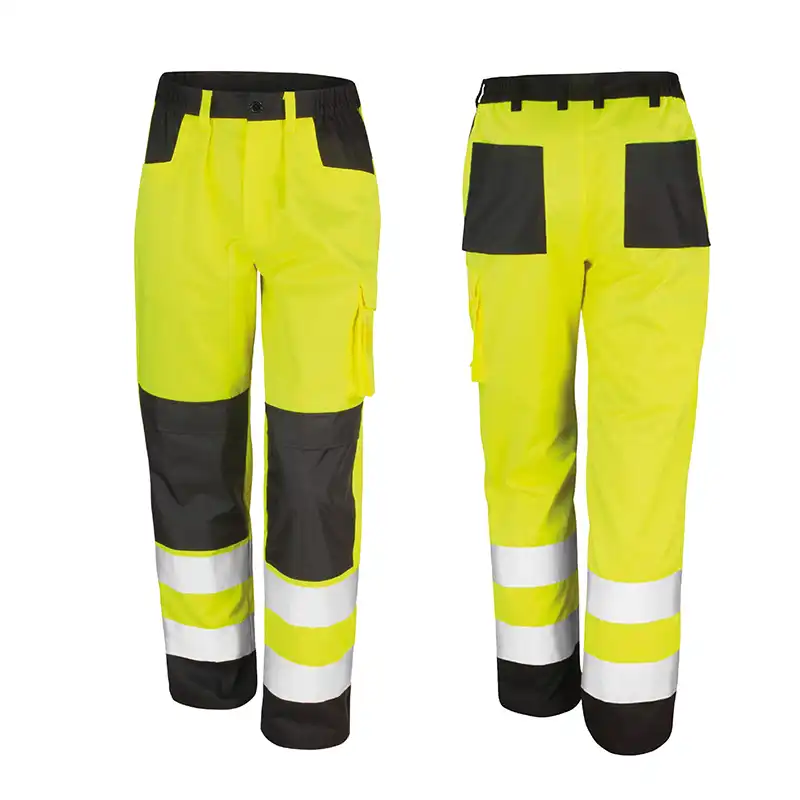
Understanding Fire-Resistant Work Pants and Their Importance
What Makes Fire-Resistant Work Pants Essential
Personal safety equipment (PPE) like fire-resistant work pants is designed to protect workers from flash fires, arc flashes, and heat exposure. Unlike most work clothes, these have advanced fabric technologies that keep them from catching fire and lessen the seriousness of burn injuries that happen at work. It's important to know the difference between flame-retardant and flame-resistant materials. Fabrics that are naturally flame-resistant have molecular structures that stop burning without chemical processes that break down over time.
The Science Behind Protective Fabric Technology
Fire-resistant work pants are made using two main techniques by advanced cloth engineering. Fabrics that are naturally flame resistant include aramid fibers (like Nomex and Kevlar) and modacrylic mixes. Specialized chemicals are used on treated fabrics to make safe shields on cotton or cotton-blend fabrics. Both methods meet strict performance standards, but natural materials usually last longer even after many wears and multiple washes in an industrial washing machine.
Key Factors to Consider When Choosing Fire-Resistant Work Pants
Fabric Selection and Material Properties
Choosing the right materials affects both the amount of security and the acceptance of the workers. The thermal protection of aramid fibers is very high, and their lightweight properties make them ideal for moderate-temperature settings. Modacrylic mixes provide good protection while also making you more comfortable in warmer regions. Cotton-based treated materials feel comfortable and let air flow through them while still meeting important safety standards. The weight of the material affects its heat protection. Heavyweight fabrics (12+ ounces) are best for high-risk settings, while lighter fabrics (7-9 ounces) are better for moderate-risk settings where movement is important. Figuring out the best clothing requirements for your workers depends on how exposed they are to different temperatures. Electrical workers need arc-rated safety gear that is measured in ATPV values that match the amount of energy that could be released. People who work in refineries need flash fire protection with enough air gaps to stop heat from moving. Abrasion-resistant materials that can handle physical stress while still protecting are useful for construction workers who pick out fire-resistant work pants.
Comfort Features That Drive Compliance
Acceptance by workers has a direct effect on fire resistant work pants how well a safety programme works. Fabrics that are breathable and wick away sweat help reduce heat stress during long wear. Strategically placed gussets and flexible knees make it easier for workers to move around when they have to climb, kneel, or move through small areas. Proper sizing ensures an adequate air gap between fabric and skin—a critical factor in thermal protection performance. Different body types and a diverse workforce can all wear clothes with adjustable waistbands and fits that are easy to change. When choosing materials, climate plays a role. Lightweight aramid mixes that let a lot of air flow are good for places with high temperatures. In colder places, thicker fabrics that can be layered are appropriate. When buying clothes, companies should look at what workers say about them in the field trials to make sure the clothes they choose offer enough safety and can be worn all day, which supports regular use.
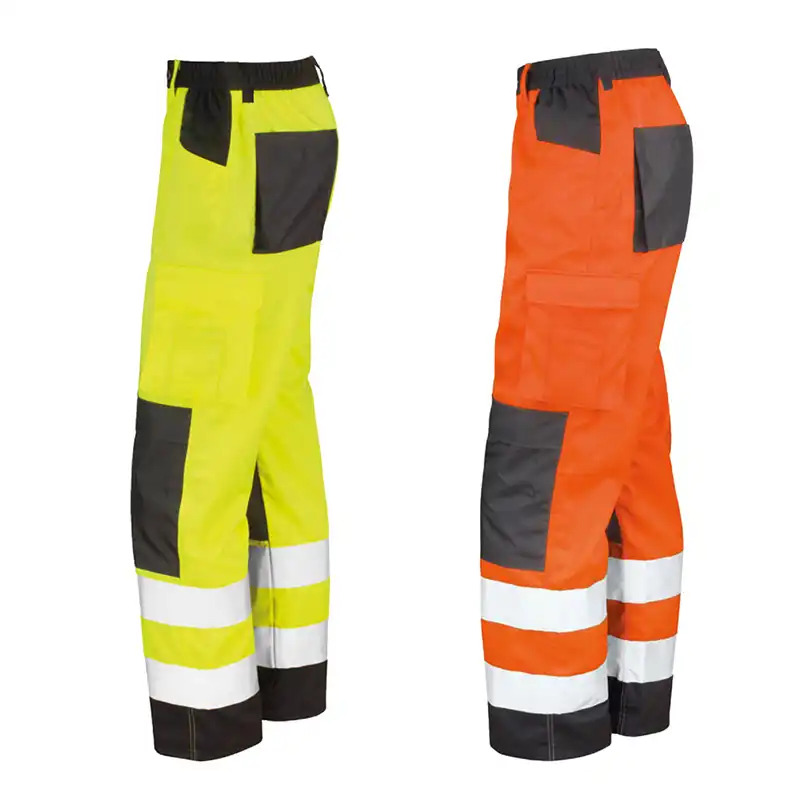
Comparative Analysis: Selecting the Best Fire-Resistant Work Pants for Your Needs
Fire Resistant Versus Flame Retardant: Understanding the Difference
The difference in terms affects what is expected of success and how things are bought. Fire-resistant work pants mean that the cloth has qualities at the molecular level that protect it from fire. This security stays the same over the life of the garment. Chemical treatments are used to make base materials flame-retardant. These treatments create temporary shields that keep people safe, but they need to be maintained properly. Both methods meet safety standards when they are made and kept up properly, but they have different lifespans, maintenance needs, and total costs of ownership. Inherent fabrics keep their safety even after hundreds of washings without losing it. Treated choices cost less at first, but they may need to be replaced more often as the chemical retardants wear off. When figuring out how much to buy something, lifetime costs should be taken into account instead of just unit prices. This is especially true for programmes that provide uniforms to a lot of workers over long contract terms.
Industry Brand Comparison and Market Options
Different business needs require different value propositions from fire resistant work pants from established makers. Carhartt makes tough clothes with duck fabric choices that are good for heavy-duty work. Bulwark is an expert at multi-hazard security that combines flame resistance with arc grade. Wrangler offers options that are both effective and affordable for moderately dangerous areas. Each brand is aimed at a different group of people and has its own set of features, price, and ways of getting the product. Instead of just looking at a brand's image, procurement teams should look at how well it meets practical needs. With the help of testing programmes and worker comments, you can find the makers that meet the needs of your workforce the best. Welston has made flame-resistant clothing that big companies like Panasonic, Benz, and Toyota trust in a variety of industrial settings. This track record in providing business uniforms shows that they can handle large-scale purchases while maintaining quality standards.
Practical Guidance for Procurement and Maintenance
Strategic Sourcing and Supplier Selection
Finding dependable providers is important for making sure that quality, service, and support are all consistent over multiple years of uniform programmes. When you deal directly with a maker, you avoid the markups that distributors add, and you can also make changes to the product. When evaluating a supplier, you should look at their production capacity, quality control systems, compliance documents, service infrastructure, and how quickly they can help customers. When you do global sourcing, you need to know about wait times, shipping processes, and how to clear customs, all of which affect how you plan your supplies. Welston has three plants with a total of 10 production lines and more than 580 workers. This gives them the ability to meet the tight shipping plans of major stores and building companies across North America. When there are problems in the supply chain or a lot of demand during peak seasons, this factory scale makes sure that allocations are still available.
Bulk Ordering Processes and Customization
Structured steps are taken for large-scale buying, starting with creating specifications and ending with trial testing with end users. Purchase orders should be very particular about the type of fabric, safety certifications, size ranges, and any customization needs, like where to put the brand or how to embroider it. For known accounts, payment terms are usually flexible, and net-30 or net-60 agreements help business buyers handle their cash flow. The customization options go beyond just adding a name. Welston has its own screen printing, heat transfer production lines, and embroidery services, which allow for company marking that keeps workers from different locations looking professional. Smaller businesses can get customized fire-resistant work pants with a minimum order quantity of 100 pieces. This makes it possible for them to strengthen their brand while also meeting safety standards.
Maintenance Best Practices That Preserve Protection
If you wash clothes the right way, they will keep their defensive qualities for a long time. Industrial laundry services that clean protected clothes only use approved cleansers and don't use fabric softeners, which coat fibers and make them more likely to catch fire. When you wash clothes at home, the directions say to use gentle processes, light cleansers, and not chlorine bleach, which breaks down aramid fibers. To keep protection products from getting damaged by heat, drying temperatures should stay below 140°F. Regular inspections find clothes that need to be replaced before they stop protecting you. Looking at the item for holes, tears, lasting spots, or thinning cloth is a sign that it needs to be retired. When clothing gets contaminated with burning substances like oils or solvents that can't be removed by cleaning, it loses its protective value and needs to be taken out of service right away. Documentation systems that keep track of issue dates and wash cycles help with proactive replacement schedules, which stop things from being used too much past their useful life.
Case Studies and Practical Examples
Construction Sector Success: Enhanced Safety and Cost Management
A medium-sized building company that worked in the northeastern United States had to pay more and more for workers' compensation because of arc flash events involving electrical teams. Traditional work clothes didn't protect workers well enough, fire resistant work pants and making them wear uncomfortable safety gear made it harder to enforce the rules. Leaders in procurement teamed up with a company that makes lightweight aramid mixes that are good at wicking away sweat and have an articulated design. As part of the execution, workers helped evaluate samples to make sure that the clothes they chose met comfort standards and met the needed ATPV ratings. When you buy 500 pieces of clothing at once, you can get bulk discounts that lower the price of the more expensive, non-compliant uniform. In 18 months, the programme got rid of arc flash injuries, lowered insurance rates by 22%, and made sure that 94% of workers always followed the rules for proper wear. Based on what workers said, the improvements in comfort made long-term wear possible in the summer, which solved one of the problems that had been holding back usage.
Electrical Utility Application: Compliance and Worker Acceptance
A regional power company that runs substations and transmission lines needed field workers who could be exposed to arc flash dangers to wear fire-resistant work pants that met NFPA 70E standards. In the past, buying was based on the lowest bid price, which led to inconsistent quality, bad durability, and unhappy workers. Total cost of ownership, including how often it needs to be replaced and workers' compensation risk, was given the most weight in the reevaluation. The results of the hazard assessment were used to figure out the minimum ATPV values for each job classification during the development of the specifications. Samples from three makers were bought and put through two-week trials by field teams who checked for fit, comfort, and functionality. The chosen provider offered certified clothes with stronger construction, a range of sizes, and specialized account management to help with planning supplies. After the programme was put in place, clothes lasted 22 months instead of 8 months. This cut the cost of replacing them every year by 38% and improved worker happiness and compliance with the safety programme.
Lessons Learned From Procurement Challenges
Specification mismatches, where the clothes bought don't meet the real security needs, delivery delays that throw off uniform programme schedules, and quality differences across big shipments are all common problems. These risks can be reduced through specific standards-based specifications instead of general descriptions, source capability verification, such as facility checks, and inspection processes for new shipments before they are sent out. Purchasing manager feedback stresses the value of relationships over price. Responding to customers, keeping them informed about production plans, and being able to accommodate pressing orders are all practical benefits that make supplier relationships worth it. Companies that do business in more than one place really like consolidated shipping options that make planning easier while still sticking to arrival dates.
Conclusion
To choose the right fire resistant work pants, you need to look at safety standards, material technologies, useful features, and the total cost of ownership. Professionals in procurement have to find a balance between worker safety standards and comfort factors that encourage consistent compliance. They also have to think about longevity factors that maximize value over an extended service life. Strategic connections with suppliers give you access to production knowledge, the ability to make changes, and service support that makes putting together and managing the programme better over time. When companies spend money on the right clothes, training for workers, and repair procedures, they build safety cultures that keep workers safe and help them keep costs down. The advice given gives buying teams the tools they need to make well-informed choices that protect workers and help the company reach its goals.
FAQ
1. How long do fire-resistant work pants typically last?
How long a garment lasts depends on the type of fabric, the job setting, and how well it is taken care of. When properly cared for, inherent aramid fabrics can last between 18 and 24 months in normal commercial use. Chemical retardants in treated cotton mixes wear off over time, so they may need to be replaced every 12 to 18 months. Actual retirement needs, not just random plans, are found through regular inspections that look for signs of wear, contamination, or damage.
2. Can workers wear synthetic undergarments beneath fire-resistant work pants?
Under flame-resistant upper layers, workers should not wear synthetic underwear like polyester, nylon, or spandex. When thermal events happen, the intense heat that gets through the top layer melts synthetic materials onto the skin, giving it serious second-degree burns. Wearing cotton or silk underwear is a good idea because they are proper base layers that won't make injuries worse during a fire.
3. What minimum order quantities apply for customized fire-resistant work pants?
Customization in manufacturing usually needs at least 100 to 200 pieces, based on how complicated the design is. Welston lets you make changes to the colors, sizes, and placement of your name with a 100-piece minimum order for your fire-resistant work pants. This means that small to medium-sized businesses can get branded flame-resistant clothing. When you buy more, you can get better prices and more customization choices.
Partner With Welston for Your Fire-Resistant Work Pants Requirements
Welston has been creating and making flame-resistant workwear for the construction, industrial, and service industries across North America for 27 years. Our three factories use Japanese JUKI and Taiwanese SHINLING technology to make sure that the standard of all bulk sales, from 100 to 10,000 pieces or more, is the same. We are aware that procurement professionals require dependable providers of fire resistant work pants who provide certified safety compliance, long-lasting construction, and open customization, along with service teams who are quick to respond and offer solutions within 24 hours. Our production capabilities and technical know-how allow us to provide safe workwear that meets NFPA 2112 and ASTM F1506 standards for electrical groups, refinery workers, and building teams. Get in touch with [email protected] to talk about your unique needs and get thorough quotes with low manufacturer prices for your next uniform programme.
References
1. National Fire Protection Association. "NFPA 2112: Standard on Flame-Resistant Clothing for Protection of Industrial Personnel Against Short-Duration Thermal Exposures from Fire." 2018 Edition.
2. ASTM International. "ASTM F1506-20a: Standard Performance Specification for Flame Resistant and Arc Rated Textile Materials for Wearing Apparel for Use by Electrical Workers Exposed to Momentary Electric Arc and Related Thermal Hazards." 2020.
3. Occupational Safety and Health Administration. "OSHA 1910.269: Electric Power Generation, Transmission, and Distribution - Personal Protective Equipment Requirements." Code of Federal Regulations.
4. Industrial Safety & Hygiene News. "Selecting Arc-Rated Clothing: A Comprehensive Guide for Safety Managers." May 2022.
5. American Industrial Hygiene Association. "Protective Clothing and Equipment Guidelines for Thermal Hazard Environments in Manufacturing and Construction." 2021 Edition.
6. Textile Research Journal. "Comparative Analysis of Inherent Versus Treated Flame Resistant Fabrics: Durability and Performance Over Extended Wear Cycles." Volume 91, Issue 7-8, 2021.
We specialize in designing, producing, and selling corporate clothing. Mainly produces: industrial clothing, business uniforms, and work clothes for different companies.

About Welston Garments


