Why Fire Resistant Work Pants Matter for Safety?
Fire-resistant work pants are special safety clothes that are made not to catch fire and put themselves out when they come into contact with flames, heat, or electrical sparks. By putting a thermal shield between workers and sources of high heat, these important safety features keep workers from getting badly burned in dangerous workplaces. Standard work pants catch fire and keep going, but flame-resistant clothes meet strict safety standards like NFPA 2112 and ASTM F1506, which protect workers in the welding, electrical, oil and gas, and fire resistant work pants and building industries when unexpected heat events happen.
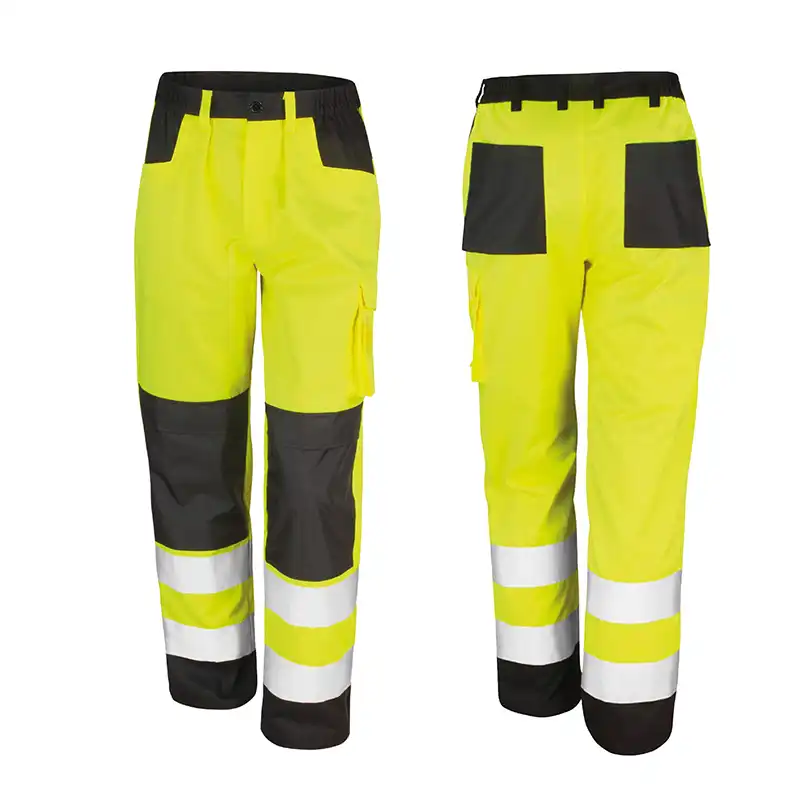
Understanding Fire-Resistant Work Pants and Their Safety Role
What Makes Fire-Resistant Work Pants Different from Regular Workwear?
The main difference is in the techniques used to make the cloth. Regular cotton or synthetic work pants easily catch fire and can melt on the skin, hurting people very badly. Fire-resistant work pants are made from fibres that are naturally resistant to fire or fabrics that have been treated chemically so they won't catch fire. When these clothes are near flash fires or arc flashes, they char instead of burning, so they don't fall apart, and workers can get out of dangerous situations. Because of this life-saving difference, many high-risk businesses across North America require workers to wear safety clothing that doesn't catch fire.
Critical Safety Standards and Certifications
Following safety rules is more than just checking off a box for the government; it's directly linked to the number of workers who survive heat accidents. NFPA 2112 talks about flash fire safety in detail and says that clothing must keep expected body burns to less than 50% in a three-second engulfment situation. ASTM F1506 is about protecting against arc flashes. It measures the Arc Thermal Performance Value (ATPV), which tells you how much incident energy the cloth can handle before it burns to the second degree. When purchasing safe workwear, people in charge of procurement should make sure that these certificates are printed on permanent labels on the clothes. This is to make sure that the clothes meet the ANSI/ISEA 125 standards for combining high-visibility and flame-resistant clothing.
Materials and Construction: What Makes Fire-Resistant Work Pants Effective?
Inherent Versus Treated Flame-Resistant Fabrics
Procurement teams can make better choices when they understand cloth technology. Nomex, Kevlar, and Modacrylic are naturally flame-resistant materials. They are fire-resistant at the molecular level, so the safety never wears off or gets washed away. The protective qualities of these high-end materials stay with the clothing for its entire life, even though they usually cost more at first. Treated flame-resistant fabrics start out as regular cotton or cotton-blend materials that are treated with chemicals that make them less likely to catch fire. Modern treated fabrics can handle 50 to 100 industrial wash cycles without losing their certification, making them a cost-effective choice for businesses that want to stay protected without spending a lot of money. The decision between natural and treated materials relies on how often they will be exposed, how easy they will be to wash, and how much they will cost in the long run.
Construction Features That Enhance Protection and Functionality
Simple flame-resistant cloth can be turned into useful workwear with fire resistant work pants with the help of thoughtful design elements. For electricians and plumbers who spend a lot of time standing on hard surfaces, reinforced knee areas with padding pockets are designed to meet their needs. Double-layered panels in areas that get a lot of use, like the seat areas and the attachments for the cargo pockets, keep the cloth from wearing out too quickly, which could weaken safety. Pockets that are placed in the right places let workers get to their tools without taking off their safety gear, and tool loops and hammer hangers make sure that workers can easily reach their most important tools. Standard metal parts that could carry electricity or get dangerously hot during thermal events are replaced with gear made of brass or heat-resistant plastic. People often say that protective clothing makes it hard to move, but gusseted crotches and articulated knees make it possible to move without losing coverage.
How to Choose the Best Fire-Resistant Work Pants for Your Business
Conducting Proper Risk Assessment and Hazard Analysis
A thorough review of the workplace is the first step in making a good decision. Safety managers should make a list of all the possible thermal dangers on the job site, such as the rates of electrical equipment, the places where flammable materials are kept, and any hot work areas. The amount of energy that workers might be exposed to in an arc flash is measured in calories per square centimetre, which is directly related to the ATPV standards that clothing must meet. When flash fire risk studies are done, they look for burning gases, liquids, or dusts that could cause engulfment situations. This technical study sets the basic safety standards that clothes that are compliant must meet. Hazard assessments that are written down show that you did your research during regulatory checks and give a good reason for buying tools.
Evaluating Vendor Capabilities and Manufacturing Quality
To find a trusted supplier of fire-resistant work pants, you need to look at their production skills and quality control methods. Cross-contamination risks from non-compliant materials are kept to a minimum by manufacturers who have specialised lines for making flame-resistant clothing. Cutting and sewing machines like JUKI and SHINLING make sure that the work is done correctly and meets licensing standards. Established makers usually keep in touch with certified fabric companies, which ensures that the quality of the materials stays the same from one production run to the next. Shenzhen Welston Garments Co., Ltd. is a great example of this kind of industrial quality. It has three specialised factories, 10 production lines, and more than 580 trained fire resistant work pants workers who make protective clothing that meets the standards of big companies like Panasonic, Toyota, and Dell.
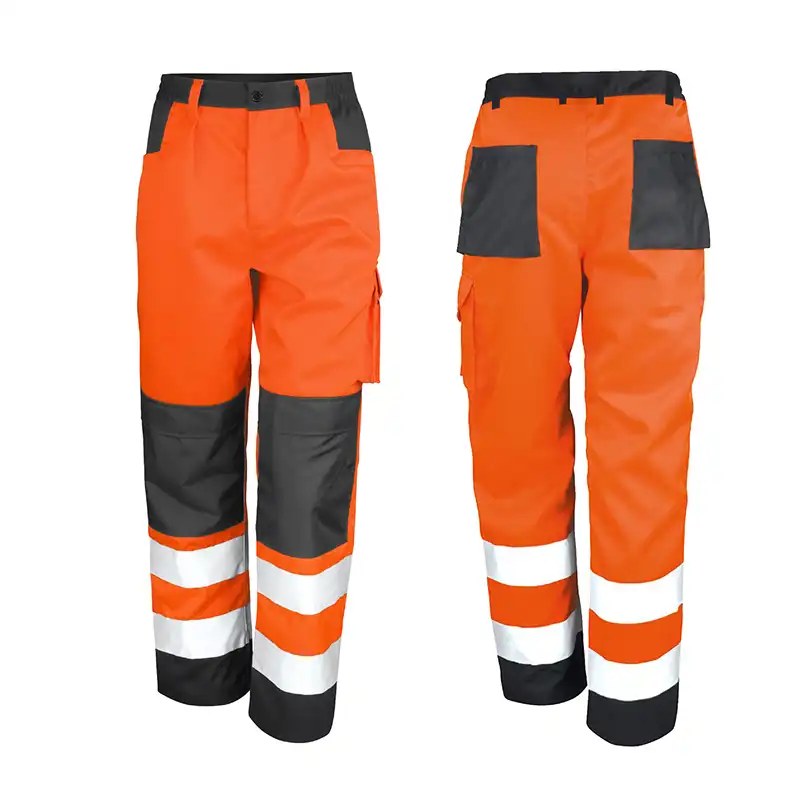
Maintenance and Longevity of Fire-Resistant Work Pants
Proper Laundering Techniques That Preserve Protection
Using the wrong cleaning methods is the most common reason why flame-resistant clothing fails too soon. Industrial laundry services that specialise in flame-resistant clothes know the important rules: water temperatures shouldn't go above 160°F, and chlorine bleach should not be used in wash processes because it breaks down protective treatments. Fabric softeners and starch products leave behind flammable residues that cover fibres and make them less resistant to fire. These chemicals should never come into contact with flame-resistant clothing. People can still wash their clothes at home as long as they follow the manufacturer's instructions, which usually include using light soaps and warm water settings. If you don't want to damage the fibres, the drying temperature should stay below 350°F. Low-heat tumble drying or drying on the line is best. Laundry clothes the right way not only keeps them in line with regulations, but it also extends their life by 40–60%, which maximises the return on investments in safety gear.
Inspection Protocols and Replacement Criteria
Regular inspections find clothes that aren't up to par before they fail during real heat events. Visual checks should be done once a week to see if seams are coming apart, fabric is getting thinner or has holes, and latches work. Any damage that shows non-compliant underlayers needs to be taken off right away—even small holes that let heat touch skin make protection less effective. If flammable substances like oil, grease, or chemicals that won't wash off get on it, it needs to be replaced because they can catch fire and make the flame resistance useless. Loss of colour doesn't necessarily mean that the fabric isn't protecting you anymore, but parts that are shiny and thin from too much use do. Keeping records of inspection results and choices about replacements makes audit trails that show how diligent the safety programme is.
Maximising Garment Lifespan Through Strategic Management
Rotation methods that give workers more than one pair of fire-resistant work pants make the programme last longer. Switching between clothes spreads out the wear and lets fabrics heal between uses. UV breakdown weakens fibres over time. To stop this, store fibres properly in clean, dry places out of direct sunlight. Giving workers who do their own laundry garment bags keeps flame-resistant clothes from getting dirty from normal washing. Training programmes that show why maintenance is important make workers more likely to follow care directions. When proactive management strategies are paired with high-quality production, industrial fire-resistant work pants usually last between 18 and 24 months. This means that they don't need to be replaced as often and still provide the same level of protection.
Common Questions and Concerns about Fire-Resistant Work Pants
Addressing Comfort Myths and Modern Fabric Technologies
In the past, flame-resistant work clothes were known for being stiff and uncomfortable, but modern materials have completely fixed these problems. Modern fire-resistant work pants are made of stretchy materials that let workers move around without feeling stifled, as older protective clothing did. Moisture-wicking technologies take sweat away from the skin, keeping workers dry while they do hard physical work. Heat stress problems can be solved by placing air systems strategically and building things that aren't too heavy. When workers switch from regular work pants to high-quality fire resistant work pants, they usually don't notice a big difference in comfort after a short time of getting used to them. This improvement in comfort has made compliance rates much higher, as workers now gladly wear safety gear that doesn't get in the way of their work.
Understanding the Economics of Safety Investment
Fire-resistant work pants are good for your wallet in more ways than one. Workers' compensation costs for a single serious burn can go over $500,000. This is because of medical care, recovery, lost work time, and possible lawsuits. People who break OSHA rules by not wearing the right safety gear can be fined up to $13,653 per violation. For repeat offences, the fines are much higher. Insurance companies are requiring more and more written documentation of protective equipment programmes. Companies that show they are committed to safety can get their premiums cut by 15 to 25 per cent. Compared to these risks, the usual cost of fire-resistant work pants, which is $75 to $150 per item, seems like a small amount of money. Progressive procurement teams see protective clothing not as something that can be bought if they want to, but as something that needs to be bought to protect both workers and the company's finances.
Staying Current with Evolving Safety Technologies
Flame-resistant clothing is getting better all the time thanks to new technologies. When you mix natural and treated technologies in hybrid fabrics, you get performance benefits that you can't get from materials that come from just one source. Built-in moisture monitors will let managers know when clothes get dangerously contaminated with flammable materials. Radio-frequency identification tags built into fire-resistant work pants make it possible to automatically keep track of supplies and make sure that rules are being followed. In situations where people have to wear something for a long time, antimicrobial treatments stop smells from building up without affecting the flame resistance. This helps with cleanliness issues. Working with companies that are dedicated to research and development is the best way to get these new technologies as soon as they are ready for market and have been approved by regulators.
Conclusion
A basic dedication to worker welfare and operational success can be seen in the choice to adopt extensive flame-resistant workwear programmes, centred on properly specified fire resistant work pants. When companies put safety first by providing good, protected gear, they see measurable benefits like fewer injuries, better compliance with regulations, higher worker happiness, and lower insurance costs. When making a choice, you have to weigh technical certifications, material technologies, comfort levels, and overall cost while working with skilled makers who know what the needs of your business are. Proper repair and planned programme management make the most of investments in safety gear while making sure that everyone is always safe. As safety standards for the workplace change, procurement pros who are ahead of the curve know that flame-resistant protective clothing isn't just compliance gear—it's important infrastructure that protects their most valuable asset: their employees.
FAQ
1. What certifications should fire-resistant work pants carry for electrical work?
Electrical workers need to wear clothes that meet ASTM F1506 and NFPA 70E standards and have ATPV ratings that match the amount of arc flash danger that has been measured at their particular job sites. The arc number in calories per square centimetre should be easy to see on the clothing label. For Category 2 safety, ratings of at least 8 cal/cm² are needed. For Category 3 and 4 threats, ratings get higher and higher, up to 40+ cal/cm² for the most dangerous risks.
2. Can workers wear synthetic undergarments beneath flame-resistant work pants?
When synthetic fabrics like polyester, nylon, and spandex are heated, they melt and stick to the skin, burning badly. Under their protection layers, workers must wear 100% cotton, wool, silk, or flame-resistant underwear. This clothing rule applies to all clothes that could be seen during a thermal event, such as underwear, base layers, and socks.
3. How frequently should flame-resistant work pants be replaced?
Instead of being set in stone, when something needs to be replaced relies on how it wears, how often it is washed, and the results of an inspection. Clothes that have obvious damage, thinning fabric, seams that are coming apart, or lasting contamination need to be thrown away right away. If you take good care of them, good fire-resistant work pants should last between 18 and 24 months of daily workplace use before they need to be replaced.
Partner with Welston for Premium Fire-Resistant Work Pants Supply
Since 1998, Shenzhen Welston Garments Co., Ltd. has made fire resistant work pants and other protective clothing that meet the needs of building companies, electrical contractors, and industrial businesses all over North America. Our three dedicated factories, which are equipped with cutting-edge JUKI and SHINLING production technology, make custom safety clothing that meets NFPA and ASTM standards. With a low minimum order size of just 100 pieces, we can handle projects of all sizes. We help business-to-business buying teams by offering a range of customisable options, such as name embroidery, reinforced knee pad integration, and custom bag layouts that fit your specific needs. To talk bulk pricing for makers of fire resistant work pants and to request samples that show our commitment to quality, which has earned the trust of companies like Panasonic, Toyota, and Dell, please contact our responsive team at [email protected].
References
1. National Fire Protection Association. NFPA 2112: Standard on Flame-Resistant Clothing for Protection of Industrial Personnel Against Short-Duration Thermal Exposures from Fire. 2023 Edition.
2. ASTM International. ASTM F1506-20a: Standard Performance Specification for Flame-Resistant and Arc-Rated Textile Materials for Wearing Apparel for Use by Electrical Workers Exposed to Momentary Electric Arc and Related Thermal Hazards. 2020.
3. Occupational Safety and Health Administration. OSHA 1910.269: Electric Power Generation, Transmission, and Distribution - Flame-Resistant Clothing Requirements. U.S. Department of Labour, 2022.
4. Stull, Jeffrey O. and Hovsapian, Joshua. Thermal Protective Performance of Flame-Resistant Workwear: Critical Factors Affecting Protection Levels. International Journal of Occupational Safety and Ergonomics, Volume 29, Issue 2, 2023.
5. American National Standards Institute and International Safety Equipment Association. ANSI/ISEA 125-2022: American National Standard for Conformity Assessment of Flame-Resistant and Electric Arc Protective Clothing and Other Flame-Resistant Protective Equipment. 2022.
6. Barker, Robert L. and Crown, Erin M. Evaluation of Commercial Flame-Resistant Workwear: Performance Testing and Field Assessment Protocols. Textile Research Journal, Volume 92, Issue 15, 2022.
We specialize in designing, producing, and selling corporate clothing. Mainly produces: industrial clothing, business uniforms, and work clothes for different companies.

About Welston Garments


