How To Choose The Right Arc Flash Trousers
Picking the right safety gear for electrical work isn't just about following the rules; it's also about making sure your employees get home safely. Arc flash trousers are made to protect workers from the dangerous heat of electrical arc problems, where temperatures can rise to over 35,000°F in milliseconds. These are not like regular work pants; they are put through a lot of tests to find out their Arc Thermal Performance Value (ATPV), which is given in calories per square centimetre. When procurement managers choose arc-rated trousers, they have to find a balance between comfort and safety levels, sturdiness and movement, and compliance with costs. Knowing the types of materials used, the standards for certification, and how well the clothing works in real life will help you buy safety gear that meets both the rules and the needs of your workers on building sites, in factories, and at electrical utilities.
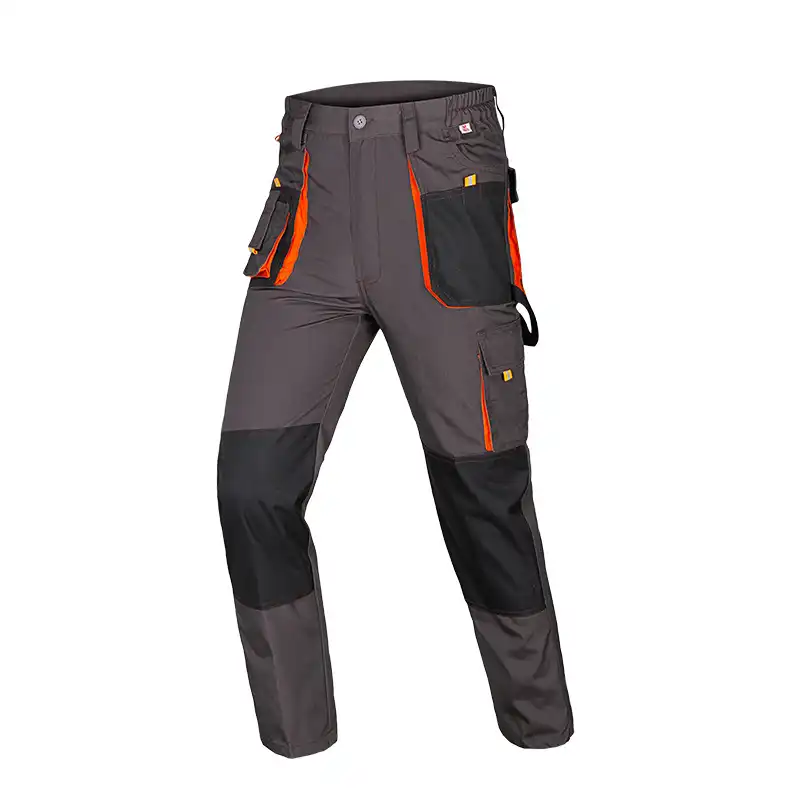
Understanding Arc Flash Trousers – Safety and Functionality
Because of the electrical risks in today's factories, workers need more than just regular safety gear. When an arc fault happens, a huge amount of energy is released explosively. This creates very high temperatures, pressure waves, and hot metal missiles that can hurt a lot of people in very little time.
What Makes Arc Flash Trousers Different
Arc flash trousers are a special kind of flame-resistant clothing made with fabrics that put out fires on their own as soon as the source of ignition is taken away. Insufficient protection from the heat of electrical arcs is not possible with regular work trousers, even those made of heavy cotton. The main difference is that these clothes are put through science tests to see how well they defend. Each pair gets an ATPV grade that tells them how much incident energy the cloth can handle before it starts to burn a worker in the second degree. This measurable level of protection lets safety managers match clothes perfectly to hazards in the workplace, which can't be done with clothes that haven't been tested.
Critical Safety Standards and Certifications
In North America, NFPA 70E standards set the rules for electrical safety. These standards say that arc-rated clothes must meet certain requirements based on risk estimates of the workplace. The performance requirements for flame-resistant and electric arc-rated textile materials are spelt out in ASTM F1506. Clothes must meet these requirements. These rules make sure that clothes won't catch fire, melt, or drip when they come into contact with flames or arc flashes. To find out the protective values, cloth samples are put through controlled arc blasts and heat transfer is measured. The markets in Europe follow the rules set by IEC 61482, which include both open-arc and box test methods. Knowing about these certifications helps purchasing teams make sure that the protective trousers suppliers offer have been tested and certified, instead of just any flame-resistant clothing that might not offer enough arc protection.
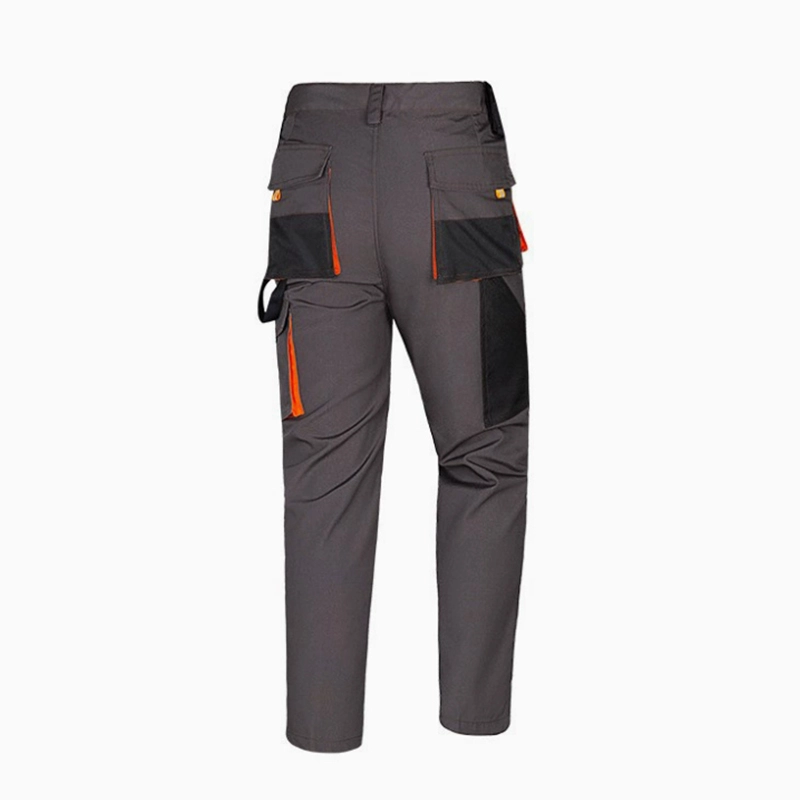
Materials That Deliver Protection and Comfort
Fabric composition directly affects both safety and comfort. Flame-resistant materials like Nomex provide durable protection that remains effective after repeated washing. Modern blends with Kevlar or modacrylic improve strength, flexibility, and comfort, while Protera offers lightweight arc protection. Comfortable protective clothing encourages better compliance by reducing mobility restrictions and heat stress during long shifts.
Core Criteria to Consider When Choosing Arc Flash Trousers
When choosing the right electrical protective clothes, you need to think about a lot of things that affect both safety and usability. There's more to the buying choice than just picking out the best-rated clothes.
Matching ATPV Ratings to Job Hazards
Arc flash hazard analysis determines the required ATPV rating by evaluating fault current, clearing time, and working distance. Routine electrical work may require 4–8 cal/cm² protection, while high-voltage tasks may need ratings above 40 cal/cm². Choosing the correct rating avoids unnecessary costs and discomfort while ensuring protection matches actual workplace risks.
Fit, Comfort, and Ergonomic Design
Proper fit and ergonomic design are essential for arc-rated protection and worker comfort. Correct sizing maintains thermal protection, while features like articulated knees, gusseted crotches, stretch panels, and adjustable waists improve mobility. Breathable fabrics reduce heat stress. Field testing samples with workers helps evaluate comfort, flexibility, and performance before large-scale purchasing decisions.
Durability and Maintenance Requirements
Arc-rated apparel is expensive, thus durability and lifetime costs are critical. High-quality trousers contain bar-tacked pockets and industrial-grade closures. Washing the fabric repeatedly must not degrade its protecting characteristics. Manufacturers frequently show how to wash flame-resistant garments. They advise against chlorine bleach, fabric softeners, and heat. Industrial laundry services that specialise in FR garments may prolong their life and provide safe cleaning. Employee uniform systems track clothing lifecycles to determine when trousers should be thrown aside due to wear, filth, other arc events. Clear inspection and retirement standards prevent worn-out clothing from being used beyond their safe lifespan.
Lightweight Versus Heavyweight Options
Lighter and heavier protective trousers influence worker comfort and safety. Heavy textiles, which weigh 9–12 ounces per square yard, endure longer and have excellent layer arc rates. Workers who labour on uneven surfaces or in harsh situations may appreciate these durable garments. However, the added weight and thickness might cause heat discomfort in hot weather or during intense exercises, making individuals less inclined to comply. Lightweight alternatives, 4.7–5 ounces per square yard, provide superior comfort and breathability while yet protecting numerous usage. These outfits are ideal for maintenance electricians who walk about and wear protective gear throughout shift. Some companies have seasonal plans that provide heavier trousers in winter and lighter ones in summer. Your workers' surroundings and activity level determine which arc flash trousers weight class is ideal for your application.
Comparing Top Arc Flash Trousers Brands and Models in 2026
There are a lot of choices in the market, and procurement workers can make smart choices that protect them and save them money by knowing the landscape.
Established Manufacturers and Their Offerings
Leading arc-rated workwear brands offer different strengths in protection, comfort, and design. Bulwark provides high ATPV-rated options with soft fabrics, while Carhartt focuses on durability and functionality. Wrangler emphasizes familiar fits and comfort, and 3M offers high-visibility solutions. Niche makers like Drifire and Tyndale provide advanced protection. Supplier history, sizing, and reliability remain key factors.
Feature Comparison and Specification Analysis
various producers employ various strategies to prevent arcs and suit working demands. Some firms use novel fibre mixes to provide lighter, higher-ATPV apparel with the maximum protection for the weight. Others utilise abrasion-resistant panels in high-usage areas like the knees and seat for durability. Arc flash trousers offer quite diverse pocket layouts. Some feature tool, hammer loop, or enhanced phone pockets, while others have plain side and back pockets. Closure mechanisms include metal zippers with safety flaps, cloth zippers, and non-electric button flies. Workers that need to be spotted may wear bright, orange, or royal blue instead of navy or khaki. When comparing models, create a specification matrix including ATPV ratings, fabric weight, material composition, sizes, colours, and other unique properties. This systematic technique tells you which items match your demands rather than depending on a brand's reputation.
Bulk Purchasing and Customization Capabilities
Bulk purchasing offers cost savings and flexible customization options, including logos, names, and department identification through embroidery or heat transfer. Suppliers with stocked items and custom sizing support faster replenishment and better fitting. With three factories and ten production lines, Shenzhen Welston Garment Co., Ltd. provides reliable capacity, customization flexibility, and timely delivery for large uniform programs.
How to Assess the Best Value When Purchasing Arc Flash Trousers
When you buy life-safety equipment to protect your employees, you need to think about more than just the initial purchase price.
Total Cost of Ownership Analysis
Full value reviews consider the entire garment, not just its unit price. Arc flash trousers made of better materials and construction may cost 30–50% more at first, but they usually last twice as long as cheaper ones. High-end garments are frequently cheaper when their useful life and cost per wearing are considered. Clothes that require special washing or replacement significantly increase program expenditures. Multiply the unit price by the projected replacements and add the estimated cost of laundry the item during its lifespan to get the total cost of ownership. The total lifespan cost per worker shows how goods compare. Think about hidden expenses like time workers waste due to discomfort or early clothing breakage. Some companies monitor apparel use and issuance. They may use this data to make smarter purchase decisions based on performance rather than specifications.
Supplier Credibility and Certification Verification
Unfortunately, some protective apparel merchants sell fraudulent certificates. Professional laboratories like Kinectrics or AITEX test arc-rated pants, which cost a lot and provide certifications with lot numbers and test results. Reliable vendors quickly record test results and follow fabric rolls to final outfits. Ask for test results instead than generic certifications that may not relate to your goods. Check your vendors' quality control systems. They should be ISO 9001 certified to demonstrate their commitment to consistent production. Check for industry-specific client references. Safety managers at comparable companies can tell you how well a product performs and how fast the vendor reacts. Older manufacturers have institutional knowledge and security that smaller firms lack. Welston has 27 years of experience with Panasonic, Benz, and Toyota. They can regularly provide the quality and reliability buying managers require from safety equipment vendors.
Real-World Performance and User Feedback
Real-world feedback provides insights beyond product specifications. Companies should gather opinions from workers using the clothing in similar environments, focusing on durability, comfort, and performance after repeated washing. Industry reviews, case studies, and pilot programs offer valuable evidence. Direct employee feedback helps businesses make confident purchasing decisions based on actual workplace needs and experiences.
Final Steps Before Purchase – Ensuring a Smart Procurement Decision
Careful planning during the last stages of buying stops mistakes that cost a lot of money and makes sure that the program goes smoothly.
Aligning with Safety Policies and Compliance Standards
The defined electrical safety protocol for your firm specifies protective clothing criteria. Check these regulations to ensure your trousers fulfil all documented arc rating, certification, and garment criteria. Working with safety committees and industrial hygienists helps identify dangers and safeguard people. Beyond federal OSHA, regulatory compliance encompasses other requirements. State and business-specific restrictions are included. State public utility commissions and NERC may regulate utility businesses more. Larger corporations' factories sometimes must follow stronger worldwide safety requirements than local ones. Note how your arc flash trousers fulfil all criteria. This aids safety inspections and demonstrates research. In case of an accident, this documentation proves that your organization followed hazard analysis and industry requirements.
Forecasting Future Needs and Scalability
Long-term workplace safety gear initiatives are needed. Consider how expansion, new facilities, and seasonal changes could affect your staff size. Consider if adding electrical infrastructure or equipment might increase hazard and necessitate a different safety rating. New fabric and design options for your program are continuously available as technology advances. Building relationships with suppliers that can swiftly boost output lets a corporation remain flexible without endangering personnel. Some companies sign multi-year framework arrangements on price, specs, and order procedures. This lets people adjust their purchases while sticking to their budgets. Succession planning matters too. Your staff should know about your protective gear program, supplier connections, and decision-making criteria. This keeps work going when individuals depart. This forward-thinking method makes purchasing protective clothes a scheduled element of your safety program.
Implementing Trial Programs Before Full Commitment
Trial programs reduce risk before large PPE investments. Companies should test samples with workers across different roles and environments for at least 30 days, evaluating comfort, mobility, durability, and maintenance needs. Comparing feedback helps select the best option. This user-focused approach improves employee acceptance, compliance, and long-term success while preventing costly implementation issues.
Conclusion
When choosing the right electrical arc flash trousers, you have to balance the technical needs for safety with the realities of the workplace. When making a choice, it's not just about comparing specs; comfort factors affect worker compliance, durability factors affect lifecycle costs, and supplier relationships ensure consistent quality and availability. Procurement managers who make this choice strategically—by doing thorough risk assessments, figuring out the total cost of ownership, and setting up organised test programs—put their companies in the best position to protect workers while also keeping their budgets in check. Investing in high-quality protective clothing with the right rating shows that the company cares about worker safety, helps them follow the rules, and eventually leads to the accident-free operations that every manufacturing facility wants to achieve.
FAQ
1.What distinguishes arc-rated trousers from standard flame-resistant work pants?
Even though all protective electrical pants are flame-resistant, arc flash trousers are tested to find out their ATPV, or the amount of incident energy they can handle before they burn in the second degree. This measured and certified protection lets clothes be perfectly matched to hazards in the workplace. Standard FR clothing might put out fires on its own, but it doesn't have the tried and proven arc safety that is needed in electrical work settings.
2.Can workers wear synthetic undergarments beneath their protective trousers?
Without a doubt not. When heated to very high temperatures, synthetic fabrics like polyester and nylon melt and fuse to the skin, making burns much worse. To keep the protective system's integrity and keep workers from getting seriously hurt, they can only wear natural fibre pants like cotton, wool or silk under arc-rated outer layers.
3.How do we determine the required arc rating for our facility?
Follow the guidelines in NFPA 70E or IEEE 1584 to do an arc flash danger study. Based on the properties of the electrical system, this engineering study figures out the potential incident energy at different locations. The analysis makes labels that show the levels of danger and the minimum PPE ratings that are needed. This makes it easy to choose the right protection clothes for your electrical infrastructure.
Partner with Welston for Reliable Arc Flash Trouser Solutions
Welston has been making trusted arc flash trousers for almost 30 years, so they know how important it is to find the right mix between safety, sturdiness, and comfort for workers. Our three factories, which are all equipped with cutting-edge JUKI and SHINLING machinery, use strict manufacturing methods to make sure that the quality is always the same. These methods help big companies around the world. We offer flexible customisation, and the minimum order size is only 100 pieces. This means that you can add company logos and other personalised details that help your safety program stand out. Our quick-to-respond team gives you quotes and useful solutions within 24 hours, so your procurement schedule stays on track. No matter if you're outfitting building teams, utility workers, or factory electricians across North America, our knowledge of protected clothing helps you easily handle requirements, licenses, and specs. Get in touch with [email protected] right away to talk about your specific needs and find out how our manufacturing skills and customer-focused service can help you find protective clothing solutions that keep your employees safe while also meeting your operational and financial goals.
References
1. National Fire Protection Association, "NFPA 70E: Standard for Electrical Safety in the Workplace," 2021 Edition, Quincy, Massachusetts.
2. ASTM International, "ASTM F1506-20a: Standard Performance Specification for Flame Resistant and Electric Arc Rated Protective Clothing Worn by Workers Exposed to Flames and Electric Arcs," West Conshohocken, Pennsylvania, 2020.
3. Jones, R.A., Liggett, D.P., Capelli-Schellpfeffer, M., Macalady, T., Saunders, L.F., Downey, C.M., and McClung, L.B., "Staged Tests Increase Awareness of Arc-Flash Hazards in Electrical Equipment," IEEE Transactions on Industry Applications, Volume 36, Issue 5, 2000.
4. International Electrotechnical Commission, "IEC 61482-2: Live Working - Protective Clothing Against the Thermal Hazards of an Electric Arc," Geneva, Switzerland, 2018.
5. Doughty, R.L., Neal, T.E., and Bingham, H.L., "Testing Update on Protective Clothing and Equipment for Electric Arc Exposure," IEEE Petroleum and Chemical Industry Technical Conference, 1997.
6. Occupational Safety and Health Administration, "Personal Protective Equipment for General Industry," OSHA Publication 3151-12R, U.S. Department of Labor, Washington D.C., 2003.
We specialize in designing, producing, and selling corporate clothing. Mainly produces: industrial clothing, business uniforms, and work clothes for different companies.

About Welston Garments


