How to choose UPF 50+ workwear for maximum sun protection
When selecting UPF 50+ Workwear, it's important to look for clothes that are approved to stop at least 98% of UV radiation. Certified sun-protective gear, unlike regular clothes or sunscreen, keeps you safe all day without needing to be reapplied. When looking for protective clothing, make sure it has proven UPF ratings, a fabric makeup that balances coverage with breathability, design features like collars and arms that are longer, and a provider that has clear testing standards. With the right choice, you can protect your employees from UV-related health risks while keeping them comfortable and productive during long shifts outside.
Understanding UPF 50+ Workwear and Its Benefits
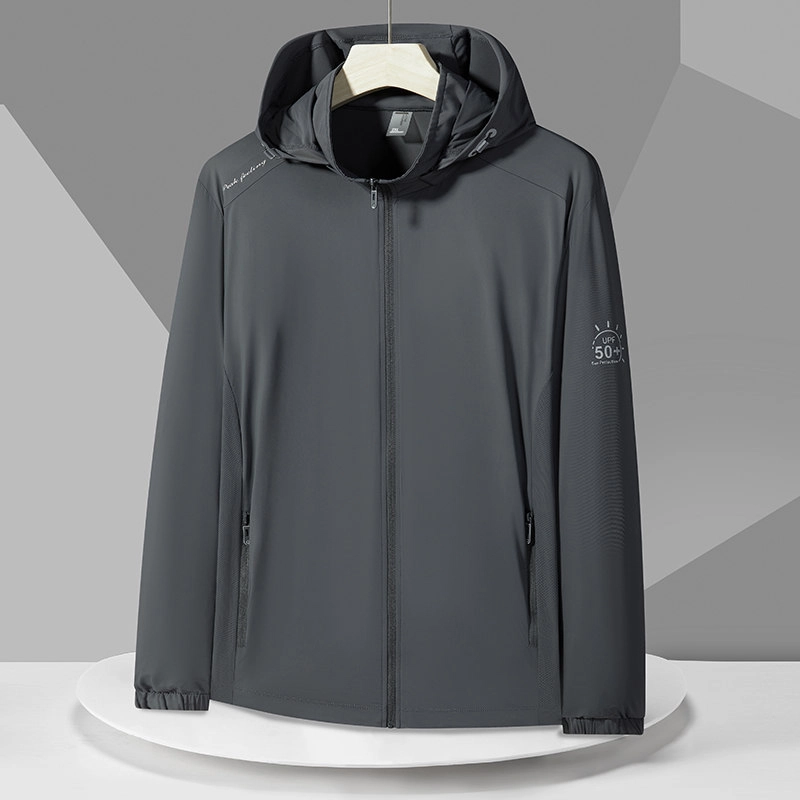
Normal clothes don't protect people from the sun well enough when they have to be outside for a long time. For business and industrial settings where UV radiation can be very harmful to your health, UPF 50+ Workwear is a scientifically built answer.
What Makes UPF 50+ Certification Different
Sunscreens use a method called SPF, but the Ultraviolet Protection Factor number is very different. UPF ratings check how well a cloth blocks both UVA and UVB radiation, while SPF ratings check how well it blocks UVB rays that cause burns. If a garment has a UPF 50+ rating, it stops at least 98% of UV rays, so only 1/50th of the sun's rays hit the skin. Standards like ASTM D6603 and AS/NZS 4399 are used to test this certification very carefully, making sure that it works in a wide range of situations.
Health Protection Beyond Sunburn Prevention
People who work in building, landscaping, agriculture, and utilities are exposed to UV light all the time, which greatly raises their chance of skin cancer, aging too quickly, and solar elastosis. Clothing with a UPF rating acts as a physical shield that doesn't wash off, wear down with sweat, or need to be reapplied all the time like sunscreen does. Wearing the right sun protection gear can cut a worker's total UV exposure by more than 70% over a 25-year career. This is why it is an important part of workplace health programs. This safety feature is especially important in the North American market, where safety managers are adding approved UV-blocking clothing to their Personal Protective Equipment lists more and more.
Comfort and Performance Advantages
Modern work clothes that protect you from the sun have moisture-wicking technologies built in that pull sweat away from the skin, which helps the body cool down when it's hot outside. The common misunderstanding that protective clothing must be heavy or uncomfortable is addressed by the advanced synthetic mixes used in high-quality UPF 50+ Workwear, which keep breathability while blocking radiation. When compared to traditional cotton workwear, which doesn't offer much sun protection and keeps wetness in, workers say that properly made UV-protective clothing helps keep them cooler and reduces heat stress.
Core Criteria to Consider When Choosing UPF 50+ Workwear
To choose the right sun-protective workwear, you have to look at a lot of scientific and practical factors that have a direct effect on both worker satisfaction and safety.
Fabric Composition and Technology
Synthetic fibers like polyester and nylon are used in the best UPF 50+ Workwear, which is often combined with materials that have molecular-level UV-absorbing substances. Titanium dioxide and zinc oxide can be mixed into fibers while they are being made, giving them long-lasting safety that won't wear off over time. Chemical finishes on cloth surfaces may wear off after 20 to 30 industrial wash cycles, but this fiber-level technology works better. When purchasing protected clothing for the workplace, purchasing managers should ask if the UV protection is built into the fiber or added as a treatment. This is because the difference affects the long-term value and when to replace the clothing.
Tighter weave patterns make it so that UV light can't get through the spaces between the yarns as easily, but makers have to find a balance between the need for breathability and density. Fabric weights usually range between 120 and 160 GSM (grams per square meter), and engineered mesh panels placed in key places are how good suppliers do this. These fabrics offer great safety without being too bulky.
Design Features That Enhance Protection
Coverage areas are very important for how well UV protection works. Look for styles with long arms that reach the wrist, high collars that protect the neck, and longer torsos that don't leave gaps when workers bend or reach. Raglan sleeves give you more range of motion while still covering you, which is especially helpful for people who are working on machines or tools that are high up.
Ventilation features, such as shoulder gussets, back vents, or mesh inserts put in strategic places, help keep heat from building up without affecting UV protection. It's also important to choose the right color. Darker colors tend to absorb more UV radiation than lighter colors, but new treatments can make lighter materials just as safe while reflecting more heat.
Durability and Maintenance Requirements
Industrial work clothes have to be able to handle rough conditions like being worn over and over, being washed a lot, and being exposed to chemicals or other contaminants. Accelerated age tests have shown that high-quality UPF 50+ Workwear keeps its protective grade after at least 50 washes. Dimensional stability makes sure that clothes don't shrink or stretch too much, which can make them less effective at stopping UV rays and change how well they cover.
Industrial washing services should be able to follow care directions without having to learn any special techniques. Fabrics that need soft cycles or to dry naturally might not work well for big groups of people. When outfitting teams in challenging fields like building or agriculture across North American markets, where equipment investments need to work well in all four seasons, these durability factors become even more important.
Comparing UPF 50+ Workwear Options on the Market
For buyers, knowing how different safety clothing works helps them choose goods that meet their needs and fit their budget.
Performance Against Standard Clothing
Most work shirts have a UPF value of only 5 to 15, which means they only stop 80 to 93% of UV light. Over time, this difference that doesn't seem important adds up to a much higher total dose. A construction worker who wears a regular cotton T-shirt all summer gets about five times as much UV radiation as a coworker who wears approved UPF 50+ Workwear. This gap in contact is directly linked to a higher chance of skin damage and cancer.
Specialized sun-protective gear does more than just protect you from the sun. It also keeps you cool and dry, making you more comfortable. Synthetic mixes used in high-quality protective clothing dry much faster than cotton, so workers don't have to deal with the sweaty pain that makes them less happy and less productive in hot weather.
Garment Types for Different Applications
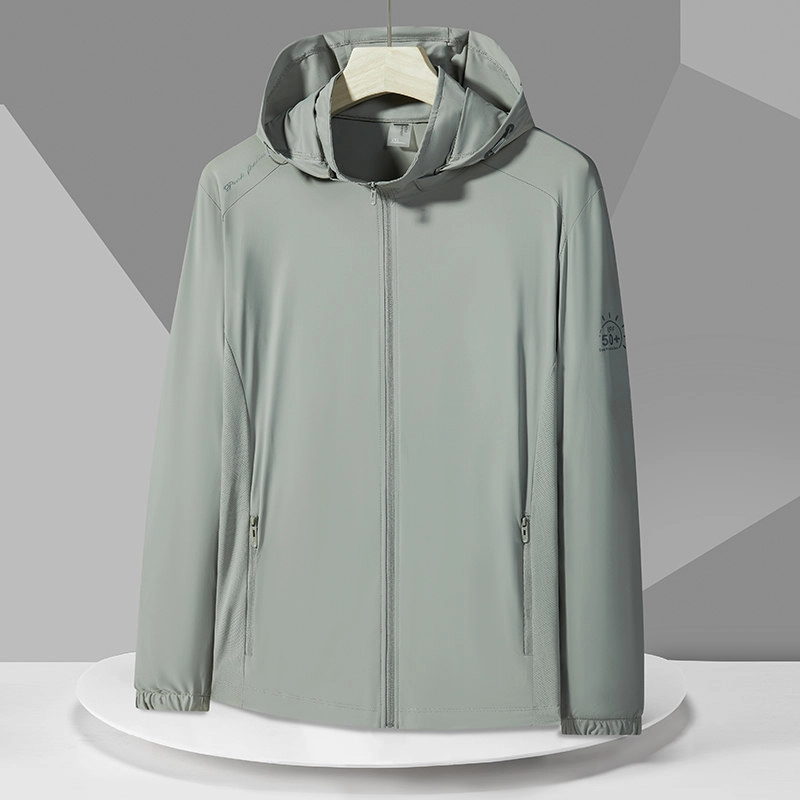
Sun-protective work clothes come in a range of styles to meet the needs of different jobs. Long-sleeved shirts with buttoned fronts are versatile and easy to change throughout the day. Crew-neck pullovers, on the other hand, are easier to make and cost less. Hooded choices protect the head and neck even more, which is especially helpful when hard hats with sun shields aren't an option.
Lightweight jackets with UPF ratings are good for workers who need to be able to dress up for different weather situations. Pants and shorts protect the lower limbs, which are often forgotten when safety plans are made. Neck gaiters, arm bands, and wide-brimmed hats are all accessories that can be worn with core clothing to complete the look. Having a variety of protected clothing options is helpful for industries with a wide range of exposure situations, such as road crews working on reflective concrete and farmers working in open fields.
Evaluating Manufacturer Reliability and Certification
Suppliers you can trust make clear records of how they test and what the results are. Look for companies that use specific standards, such as ASTM D6603 or EN 13758-2, and can give you test results if you ask. Verification from well-known groups boosts credibility, but because it costs money, not all good producers go for third-party verification.
In business-to-business (B2B) buying, supplier track records are very important. Companies that have been around for a long time, like Welston, which has been making professional clothing for over 26 years, show that they are committed to quality and new ideas. Companies with big clients in Asia, Europe, and the Americas tend to have stricter quality control systems than younger companies that are just starting out. Sustainability standards play a bigger role in buying choices, especially for people who sell goods in Europe, where eco-friendly products and fair labor practices are highly valued.
How to Procure UPF 50+ Workwear Efficiently for Your Business
Strategic methods to buying cut costs while making sure that your employees are safe and that your business has a steady supply of goods.
Bulk Purchasing Benefits and Order Minimums
When you buy a lot of something, you save a lot of money on each item, and many manufacturers offer tiered pricing systems that reward bigger orders. Customized UPF 50+ Workwear usually has a minimum order quantity of around 100 pieces. This means that protected clothing programs can be used by even medium-sized businesses. Instead of just looking at the original purchase price, buyers should figure out the total program costs over the predicted garment lifespan. This is because higher-quality items that last longer often end up being more cost-effective over multiple replacement cycles.
Putting together orders from different departments or workplaces gives you more bargaining power and makes managing your inventory easier. Standardizing on certain colors and styles makes things easier to understand and builds stronger relationships with suppliers, which leads to better prices, more efficient ordering of production, and quick service.
Customization Options and Branding
Most companies that make professional clothing can customize it with things like embroidered or printed business logos, employee names, and safety messages. These branding aspects help with responsibility and keeping track of clothes while also strengthening the company's character. When you ask for customization, make sure that the methods of decoration won't affect the fabric's UV protection. Reliable providers use methods that don't affect the protective features of the base material.
Customization for functionality is just as important. Most of the time, buyers can choose the colors, closure types, placement of reinforcements, and pocket configurations that work with practical needs or current uniform programs. Some companies let customers ask for specific features, such as tool loops, radio clips, or bright trim that meets high visibility standards and blocks UV rays.
Managing Supplier Relationships and Quality Assurance
Setting up clear ways to talk to your workwear provider stops confusion and makes it easier to solve problems. Ask for model clothes before placing a large order. This way, workers can check the fit, comfort, and usefulness of the clothes in real-life work settings. Feedback from end users often shows real issues that weren't clear when the specifications were first being made.
Reliable suppliers, like Welston, offer tailored help after the sale. Questions or concerns are usually answered within 24 hours. This quickness is helpful when dealing with problems related to size, setting up rush orders, or handling guarantee claims. Companies that do business in more than one place in North America benefit most from providers that have established logistics networks and a lot of experience with handling complicated delivery needs.
Practical Application and Usage Tips for UPF 50+ Workwear
Getting the most protection from harm takes more than just buying good clothes. The right way to use them and ongoing care are also needed to make sure your investment pays off.
Matching Garments to Specific Work Environments
Different work environments have different UV exposure trends and other dangers that go along with them. Road building crews who work on light-colored asphalt or concrete are exposed to strong reflected radiation that needs full protection, such as long arms and a mask around the neck. Agricultural workers may want to wear light, quick-drying fabrics that work well in hot places with little wind. Abrasion-resistant supports help landscaping teams in places that get a lot of use while still providing full UV protection.
People who do work both inside and outside need clothes that let them move easily between settings without getting too hot inside. This problem is solved by lightweight UPF 50+ Workwear that breathes well and is comfy enough to wear all day without needing to take it off when going inside.
Layering Strategies for Comprehensive Protection
Even good clothes that block the sun leave some skin open if workers don't carefully layer their clothes. When you wear UPF-rated base layers with the right accessories, you'll be fully protected. For example, long-sleeved shirts with neck gaiters protect the most sensitive areas where skin cancer is most common. Wide-brimmed hats or cap extensions protect the ears and face, and they go well with clothing that covers the body.
UPF 50+ Workwear works well as a base layer under other clothes in the cooler months, so it provides steady protection all year. This makes the clothes more useful and gives a better return on investment than safety gear that is only used during certain times of the year.
Integrating UV Protection into Safety Programs
Formal workplace safety rules that specifically address sun protection make workers more likely to follow them and show that the company cares about their well-being. These rules should say when UV-protective clothing is needed, set change plans based on how much the clothes are worn, and teach people about the risks of long-term exposure. Safety managers can keep track of who is participating and how well they are doing by doing regular skin health checks and keeping records of incidents.
A complete defense plan includes wearing protective clothes, taking breaks in the shade, planning your work routine to avoid the hottest parts of the day, and putting sunscreen on any skin that is uncovered. This step-by-step method is in line with best practices for workplace health and helps companies meet their duty-of-care duties.
Conclusion
The right UPF 50+ Workwear is an important investment in the health of your employees and the control of your company's risks. Some of the most important things that go into the choice are confirmed UV protection rates, fabric technologies that balance coverage and comfort, design features that work in the real world, and partnerships with suppliers that offer trust and support. Higher-quality sun-protective clothing at work lowers health risks, makes workers more comfortable, and saves money in the long run compared to cheaper options. By using the factors in this guide, procurement managers can be sure that the protective clothing they choose will keep their teams safe and meet practical and financial needs. Companies of all sizes can now get full sun protection because more and more approved, high-performance choices are becoming available.
FAQ
1. If you use it often, does the UPF 50+ Workwear rating go down over time?
How the UV-blocking qualities are added to the cloth affects how long the protection lasts. When protective chemicals are mixed in with fiber-embedded technologies during production, the grade of the garment stays the same over time. After 20 to 30 industrial wash cycles, products that depend on surface treatments may slowly lose their effectiveness. Quality makers say how long the protection should last and give care tips that make the clothing last as long as possible.
2. In hot weather, can workers wear UPF 50+ Workwear comfortably?
Modern sun-protective clothing is designed to keep you cool by using synthetic mixes that wick away sweat and built-in ventilation systems. In hot weather, these clothes usually work better than regular cotton clothes because they dry faster and don't hold sweat. Quality UPF-rated clothing is more comfortable for workers in hot weather than traditional clothing, but each person's tolerance levels depend on their exercise level and the weather.
3. How can I tell if the work clothes I'm buying really do protect me from UVB rays?
Manufacturers with a good reputation use specific testing standards, such as ASTM D6603 or AS/NZS 4399, and can show proof of their testing results. During the procurement process, ask for this information and stay away from sellers who make claims of safety without any proof to back them up. There is more confidence in products that have certification marks from well-known testing groups, but not all good products have third-party certification because it costs money.
Partner with Welston for Certified UPF 50+ Workwear Solutions
Welston is ready to help you protect yourself from the sun with properly designed protective clothes backed by 26 years of manufacturing experience. We keep stringent quality standards through our three factories, which are outfitted with cutting-edge production technology from JUKI and SHINLING, as a reputable UPF 50+ Workwear supplier serving major names in North America, Europe, and Asia. Our 10 production lines and more than 580 trained workers make sure that orders of any size get the same high quality. We start with just 100 pieces as a minimum order. We offer full customization, which includes adding your brand, changing the size, and making changes to how it works to meet your unique needs. You can talk to our team at [email protected] about your needs for safe workwear, ask for samples, or get full product brochures.
References
1. American Society for Testing and Materials. (2020). ASTM D6603-19: Standard Guide for Labeling of UV-Protective Textiles. ASTM International.
2. Standards Australia/Standards New Zealand. (2017). AS/NZS 4399:2017 Sun Protective Clothing—Evaluation and Classification. Standards Australia Publishing.
3. Occupational Safety and Health Administration. (2019). Protecting Outdoor Workers from Sun Exposure. U.S. Department of Labor OSHA Publication 3649.
4. Skin Cancer Foundation. (2021). Sun Protection for Outdoor Workers: A Comprehensive Guide for Employers. Skin Cancer Foundation Medical Journal.
5. International Agency for Research on Cancer. (2018). Radiation: Volume 100D - Solar and Ultraviolet Radiation. World Health Organization IARC Monographs.
6. Textile Research Journal. (2019). UV Protection Factor of Synthetic and Natural Fabric Blends: Long-term Performance Analysis. SAGE Publishing, Volume 89, Issue 12.
We specialize in designing, producing, and selling corporate clothing. Mainly produces: industrial clothing, business uniforms, and work clothes for different companies.

About Welston Garments


