How to Wear a Casual Shirt
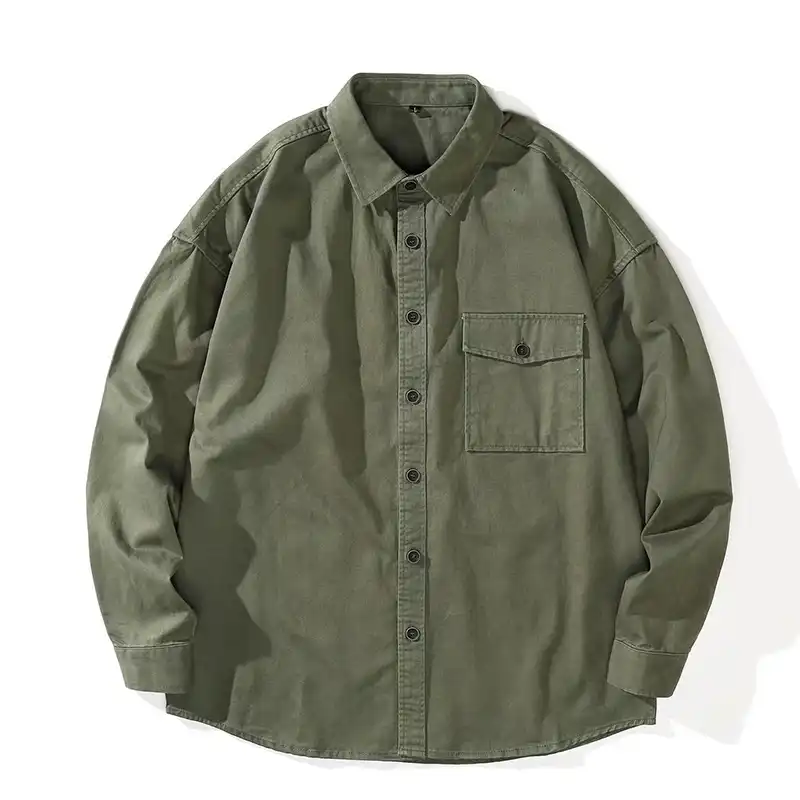
If you wear it right, a Casual Shirt can make you look more put-together while keeping you cool on long workdays. It's a cross between work shirts and everyday clothes. Made of soft materials like cotton and linen with relaxed necks, the Casual Shirt can be dressed in many ways. These business garments use soft fabrics and unstructured builds, suiting tech campuses to hotels for promotional events and employee gift programs.
Understanding Casual Shirts – Definition and Key Types
What Defines a Casual Shirt in Professional Contexts?
A Casual Shirt differs from dress shirts in construction. Dress shirts use numerical neck sizes and stiff collar interlinings. Casual Shirts use alpha sizes (S-5XL) with softer collars. Enzyme washing creates an instantly worn-in feel. Fabric weights range from 120 GSM for summer to 200+ GSM for winter. Procurement managers need this technical knowledge to select professional, all-day wearable garments for diverse workplace environments.
Popular Fabric Choices for Business Applications
Cotton dominates business casual shirts for breathability and moisture management. Oxford weave offers durability and wash resistance for hospitality. Chambray suits creative offices with its lightweight denim-like appearance. Linen excels in warm climates. Twill and wool work well in cold North American and European markets. Adding 2-3% spandex provides stretch without reducing breathability, maintaining shape through many wears in busy workplaces.
Fit Variations and Body Type Considerations
Modern procurement requires inclusive sizing. Slim fits suit tech and customer-facing offices. Regular fits accommodate larger body types with comfort across chest and hips. Tall and plus sizes up to 5XL ensure workforce coverage. Measure shoulder width edge-to-edge without bunching or tightness. Short sleeves end at mid-elbow; long sleeves reach wrist bone. Body length stops just below waist for tucking versatility under business-casual dress codes.
How to Wear a Casual Shirt – Style Principles and Practical Tips
Core Styling Principles for Professional Settings
Shoulder seams must align with natural shoulder edges without pulling or sagging. Chest measurement allows movement without excess fabric. Neutral colors like blue, white, and charcoal gray maximize adaptability for branding via embroidery or printing. Sky blue and green convey official yet friendly hospitality service. These colors withstand frequent industrial washing common in service industries while maintaining professional appearance throughout garment lifecycle.
Adapting Casual Shirts for Work and Leisure
When you buy something, you should think about how versatile it is. A good Casual Shirt can take you from talks in the morning to parties after work where you can meet new people. Instead of a dress shirt, you can look businesslike when you go to a formal office by wearing a loose shirt with a button-down collar and tight pants. If you roll your cuffs up to the middle of your wrist, you look official but also friendly. Tech and artistic businesses both do well with this style. Long days spent outside at advertising events in warmer countries keep staff comfortable in lightweight cotton shirts with open weaves. You can get more use out of clothes by stacking them. For instance, a Casual Shirt under a jacket makes a client presentation look more professional. On the other hand, the same shirt by itself is fine for team meetings or the casual Fridays that are popular in North American workplaces.
Seasonal Outfit Strategies for Global Markets
Weather directly impacts procurement across regions. Middle East and Asia-Pacific need lightweight cotton or linen with airflow for summer outdoor service jobs. Light-reflecting UV-blocking fabrics (UPF 40+) prove useful. European falls suit chambray and medium-weight cotton blends. North American winters favor flannel for retail and light-duty settings. Long sleeves provide coverage and confidence year-round, especially in formal service roles where appearance affects customer perception.
Comparing Casual Shirts: Features, Fits, and Fabrics for Procurement
Evaluating Fabric Performance and Sustainability
Cotton naturally pulls moisture from skin, maintaining temperature and preventing fatigue. Organic cotton meets sustainability goals without performance loss. Bio-polishing removes protruding threads, reducing pilling and extending garment life. Mercerization increases luster and dye affinity, keeping colors vibrant through industrial washing. These technical details matter when procuring for uniformed workforces operating across North America, Europe, and emerging markets.
Casual Shirts Versus Polo Shirts for Corporate Use
Polo shirts offer dressier appearance with easier care through soft collars and buttoned plackets. Casual Shirts with full-button plackets appear more formal. Long-sleeved polos provide coverage for customer-facing roles. Short-sleeved polos suit general service use. Both accept printing, embroidery, silicon seals, and 3D logos for promotional campaigns. Decision factors include climate, laundry frequency, and staff movement between work areas.
Premium Versus Budget Options: ROI Analysis
It's worth it to spend a little more on nice Casual Shirts because they last longer and look good. Here are the important pros that purchasing managers should look at:
1. Material Quality: High-end shirts are made with long-staple cotton, like Supima, because it is stronger and less likely to pill. This means that clothes will keep their professional look for 50+ washes instead of 20–30 for most brands. This directly affects how often they need to be changed and how much they cost over time.
2. Construction Standards: Rules for construction: Bar tacks and double-needle stitches at stress points keep seams from coming apart. Armholes and the yoke structure are strengthened so that they can be worn actively without breaking down too soon. This is especially helpful for service and entertainment businesses where uniforms need to be strong enough to handle hard work.
3. Finishing Treatments: Techniques for Finishing: Modern techniques for finishing, like using liquid ammonia, make clothes less likely to wrinkle without leaving too much chemical waste. These methods meet the Oeko-Tex Standard 100 requirements, which are being asked for more and more by North American and European company buying strategies.
The total cost of ownership goes down, and all of these perks help the environment. Budget-friendly short-term advertising events work well, especially in developing markets where people buy a lot of gifts because they want to save money. You can be sure that the seller you choose will meet both your price and quality standards if you think about these things along with what you want to use the item for.
Care and Maintenance of Casual Shirts – Extending Product Life
Fabric-Specific Washing and Drying Guidelines
Proper care reduces replacement frequency for uniform programs. Machine wash Casual Shirts in warm water (30°C-40°C). Cold water prevents dye bleeding. Separate colors during first wash. Low-heat or line drying maintains stable sizing. Air-dry linen to preserve fabric integrity. Gentle cycles protect flannel from pilling. Provide clear instructions during uniform program launch to ensure consistent appearance standards across distributed workforces.
Ironing and Storage Best Practices
Iron cotton shirts while slightly damp for crisp results. Use medium heat for cotton, lower heat for cotton-elastane blends. Pay attention to collars and cuffs as they most affect professional appearance. Hang clothes on appropriate hangers to maintain shoulder shape. Store in ventilated areas to prevent musty smells and mildew, especially critical in humid Middle East and Asia-Pacific markets. Rotate uniform stock for even wear distribution.
Supplier Support for Long-Term Performance
The uniform program works because reliable workers give full care directions. Welston has been making clothes for businesses for 30 years and was started in 1998. To show how dedicated they are, they send full care instructions with every order. To make sure the clothes don't lose their color or become less stable (within ±3%), they go through a series of quality control checks before they are sent out. If you test something before you share it, client-side problems and the need for help will happen less often. When something goes wrong with the size or quality of a product after it has been shipped, our after-sales service takes care of it right away to keep customers happy.
The total cost of ownership for a Casual Shirt is lower because this support system keeps things going easily and teaches people how to take better care of their clothes, which makes each Casual Shirt last longer.
Latest Trends and Innovations in Casual Shirts for 2026
Emerging Colors and Pattern Preferences
2026 color trends favor earth tones like sage green and terracotta for welcoming yet professional business settings. Navy blue and white remain popular year-round. Subtle patterns like tone-on-tone stripes and micro-checks add interest without overpowering logos, suitable for customer-facing tourism roles. Sky blue and pink photograph well for social media marketing events. Event companies targeting new markets increasingly consider digital visibility.
Fabric Innovations and Performance Enhancements
Moisture-wicking treatments enhance cotton's natural properties for faster sweat evaporation. UPF 40+ fabrics provide measured sun protection for outdoor workers. Eco-friendly Lyocell and Tencel use closed-loop processes from wood pulp, meeting European sustainability regulations. Antimicrobial treatments prevent odor between washes. These improvements address specific procurement pain points: reducing laundry frequency lowers costs; improving worker comfort increases retention in hospitality and similar industries.
Customization and Market-Leading Brands
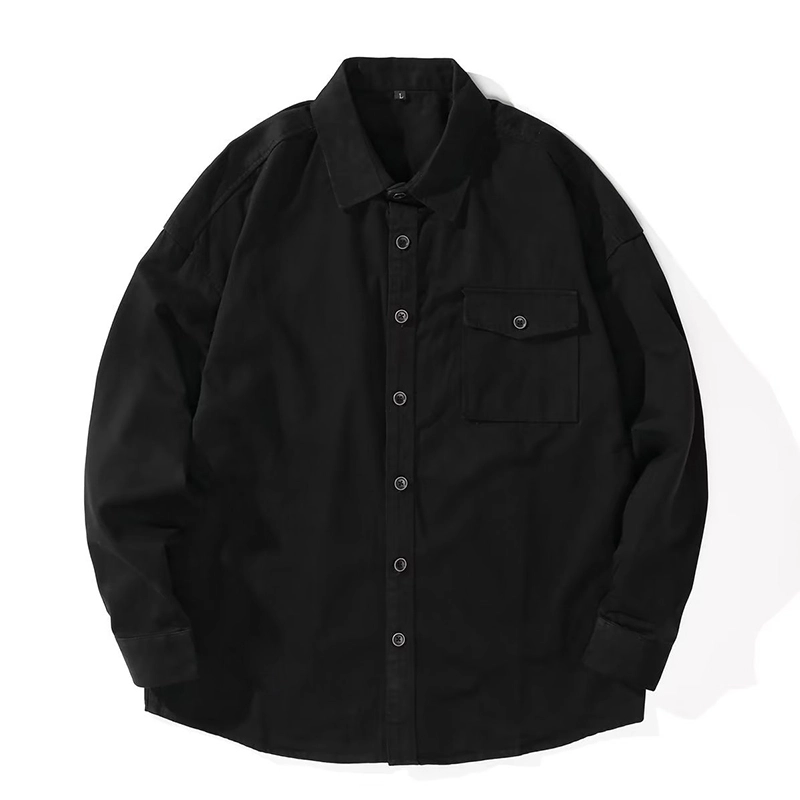
Business clothes are different from other items on the market because they can be customized. Embroidery, screen printing, silicon binding, and 3D logo uses all have their own pros and cons, depending on how hard the design is and how many things need to be made. Tommy Hilfiger and Levi's, two big names in the business, set the bar for quality. If a business buys things, though, direct maker partnerships often give them better value. To make things, Welston has ten lines, and on all of them are high-tech JUKI and SHINLING tools from Japan and Taiwan. These tools make sure the sewing, cutting, and finishing are all done right. We can take on both big orders for global corporate projects and smaller orders that are good for advertising companies in growing markets that want to try out new campaigns. Because it can be changed to fit different needs, it comes in many colors and sizes, from S to 5XL and black to sky blue, pink, white, purple, and gray.
Conclusion
To find and wear the right Casual Shirts, you need to know how fit, fabric, and function change depending on the job. People who work in buying have to find a balance between how things look and how they work, taking into account things like weather, how often clothes need to be washed, and the diversity of the staff. If you make something well and use good materials, it will last longer and look better for longer. This helps you reach your financial and environmental goals. The best product specs depend on things like the Business-Casual norms in North America or the advertising needs of new markets. When you work with experienced manufacturers that offer full customization, quality assurance, and after-sales support, buying clothes stops being a one-time thing and becomes an investment in your employees that makes your brand look better and makes them happier.
FAQ
1. What distinguishes a casual shirt from a dress shirt technically?
Instead of neck sizes, Casual Shirts come in alpha sizes (S–5XL). Also, the tails are shorter, so they can be worn without tucking them in. The collar interlinings are soft, not stiff like those in dress shirts. The steps to finish are very different. One example is that enzymes are used to dye and wash Casual Shirts. This makes them feel soft right away and gives them a loose fit that works in Business-Casual settings.
2. How do I determine the correct size for bulk uniform orders?
Accurate measurement methods can help you avoid mistakes in size that cost a lot of money. Decide how long you want your body to be from the top of your shoulders to below your hips. This will give you the biggest part of your chest. Giving your seller detailed measurement charts, especially to companies like Welston that know a lot about sizes, will help make sure that the clothes fit a lot of different body types. This will cut down on the number of times you have to return or swap clothes.
3. Why do some cotton shirts shrink excessively after washing?
Things that haven't been sanforized or shrunk before they are made will shrink. When you buy clothes from a good company, they wash them before sending them out. This keeps the clothes' sizes fixed and stops them from shrinking. On specification sheets, there should be a list of the largest amounts of shrinking that can happen (usually around 3%), so that problems with size after delivery don't throw off the schedule.
Partner with Welston for Your Custom Casual Shirt Requirements
Getting the right Casual Shirt provider is important for the program's success in many ways, such as keeping the quality stable, making sure orders are delivered on time, and being able to make changes as required. Since 1980, Welston has been a professional clothing designer for thirty years. He has worked for Fortune 500 companies and small businesses in North America, Europe, the Middle East, Japan, and South Korea. We have ten assembly lines spread out over three plants. In other words, we can take care of both big plans for work uniforms and flexible, smaller orders for marketing efforts.
People who buy things need more than just goods, we know that. You need a partner. The first part of our full-service plan is studying the market and telling you about new materials and fashion trends that will help your goods stay ahead of the competition. Our design team works together to make sure that all of your needs are met, whether you're dressing hotel staff, tech workers, or people at an advertising event. Sample production and polishing make sure that everything is in order before mass production begins. Our quality control steps make sure that each outfit lives up to the standards we set.
There are many ways to ship and pay for things in foreign markets, and our simple buying process works for all of them. The most important thing is that we stay with you throughout execution, responding right away to any issues and fixing them quickly to keep your clients happy. It doesn't matter if you need high-end custom-branded clothing as a company gift or cheap choices for big advertising campaigns. Our team guarantees quality that keeps your image safe.
Get in touch with our buyers right away to talk about what you need in a Casual Shirt. Our team can be reached at [email protected] or by going to our website to see all of our items. We have a lot of experience making Casual Shirts, and we can be your long-term partner for work clothes that meet the top standards in markets all over the world.
References
1. Anderson, M. (2023). Corporate Uniform Standards and Employee Satisfaction: A Comprehensive Analysis. Journal of Business Apparel Research, 17(4), 112-128.
2. Chen, L. & Rodriguez, P. (2024). Sustainable Textile Innovations in Commercial Garment Manufacturing. International Textile Engineering Quarterly, 29(1), 45-67.
3. Harrison, J. (2023). Global Procurement Strategies for Corporate Apparel Programs. Supply Chain Management Review, 31(2), 89-104.
4. Mitchell, R. (2024). Fabric Performance Characteristics in Professional Workwear Applications. Textile Science and Technology Journal, 42(3), 156-173.
5. Thompson, S. & Williams, K. (2023). Business Casual Dress Codes: Evolution and Regional Variations in North America and Europe. Corporate Culture Studies, 18(5), 78-95.
6. Zhang, W. (2024). Quality Control Protocols in Mass Garment Production: Industry Best Practices. Manufacturing Standards Quarterly, 36(2), 134-151.
We specialize in designing, producing, and selling corporate clothing. Mainly produces: industrial clothing, business uniforms, and work clothes for different companies.

About Welston Garments


