How Uniform Polo Is Used in Australia for School Uniforms?
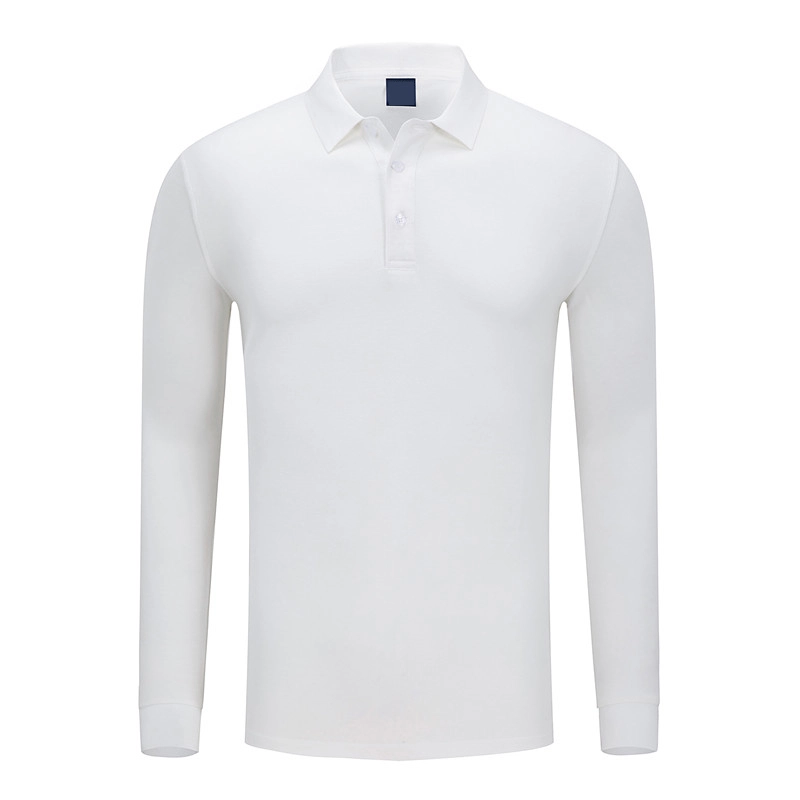
Australian schools use the Uniform Polo as a basic piece of clothing for all of their students because it looks professional and is easy to wear. These Uniform Polos are very different from casual ones you can buy in stores. They are made to be worn to school every day, so they are sturdy, made of flexible materials, and have surfaces that are ready to be embroidered. Uniform Polos are part of dress rules at schools all over Australia because they are comfortable and help students feel like they belong. They also help students deal with different weather conditions while keeping a consistent look that promotes school pride and community values.
Introduction
Australia's schools have started wearing Uniform Polos, which shows a wider commitment to quality, practicality, and student well-being. When it comes to buying school clothes, B2B procurement pros have to deal with some unique problems. They have to find the best balance between price and durability, make sure that big orders are all the same, and meet the unique customization needs of each school to reinforce its identity. This complete guide talks about these buying factors, giving advice on choosing fabrics, working with suppliers, and making sure the quality is good. By understanding these factors, global sellers can make smart choices that meet the needs of educational institutions and help them build long-term relationships with suppliers. In Australia's many temperature zones, from tropical Queensland to temperate Victoria, schools need answers that can be used in a variety of situations.
Understanding the Role of Uniform Polos in Australian School Uniforms
Why Schools Choose Polos Over Alternative Uniform Tops?
Australian schools prefer Uniform Polos for several strong reasons. Structured collars provide finished look without being too formal. Buttoned plackets enable temperature control during school days. These garments outlast regular shirts, handling sports and daily wear demands. Knitted piqué or jersey construction has stretch and recovery properties maintaining shape after many washing cycles. This durability matters when garments undergo frequent home or commercial laundering.
Material Engineering for School Environments
Professional Uniform Polos use specialized fabric blends. 65/35 or 60/40 cotton-polyester blends provide breathability for active students while resisting wrinkles and maintaining color. Pure cotton suits coastal areas where moisture absorption matters. Antimicrobial finishes and stain-repellent coatings extend garment life. Ring-spun yarns create softer surfaces resistant to pilling, ensuring Uniform Polos maintain professional appearance throughout the school year despite frequent wear and washing.
Design Features That Support Daily School Life
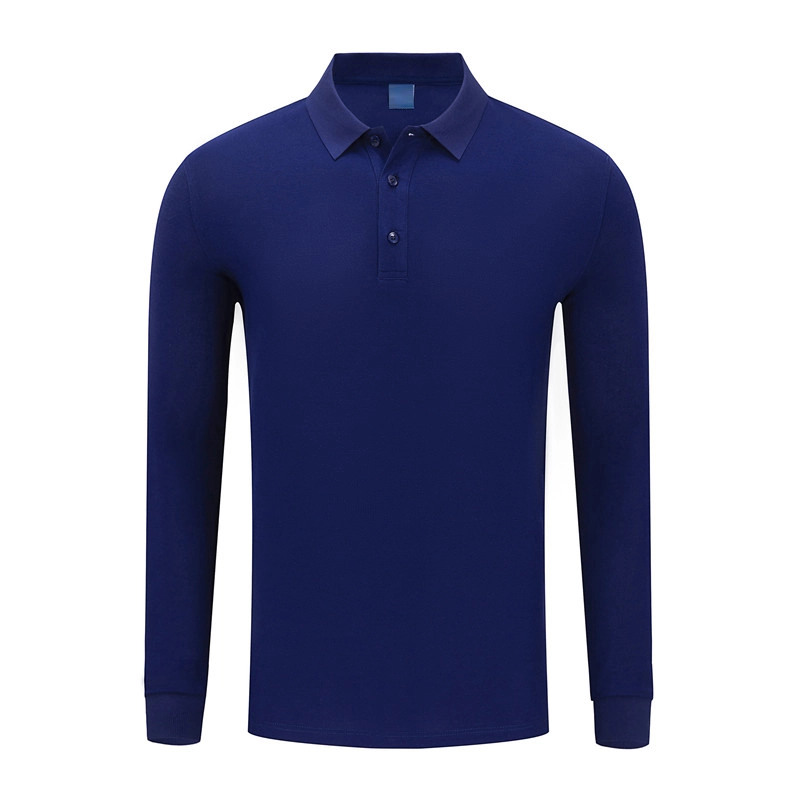
Quality school Uniform Polos construction directly affects performance. Ribbed cuffs and collar bands maintain shape through many washes, preventing "bacon collar" warping. Reinforced shoulder seams withstand backpack straps without premature wear. Side vents or straight hems provide coverage during movement. Short and long sleeve options enable seasonal adaptation. Color consistency across production runs ensures new garments match existing wardrobes, preventing patchy appearance undermining uniform programs.
Key Considerations for Procuring Uniform Polos for Schools
Quality Indicators That Determine Long-Term Value
Fabric weight should range 180-240 GSM, providing opacity while allowing dense embroidery without distortion. Colorfastness grades per ISO 105 standards should reach Grade 4 for harsh UV exposure and frequent Australian washing. Dimensional stability testing confirms garments maintain proper sizing with 3% or less acceptable shrinkage. Seam strength testing through breaking and sliding tests predicts how Uniform Polos withstand school activity physical demands.
Customization Strategies for Institutional Identity
Embroidery stands out for durable decoration. Thread colors match school colors using Pantone references. Logo placement on left chest, sleeve, or back requires careful consideration of fabric weight. Screen printing costs less for larger designs but needs proper curing for wash durability. Silicon seal and 3D branding offer modern options. Procurement teams should request pre-production samples tested through washing cycles before accepting large orders.
Sizing Accuracy and Fit Consistency
Proper sizing matters when outfitting diverse student populations. Wide size ranges from youth to adult 5XL ensure proper fit while minimizing special orders. Detailed measurement protocols covering chest width, shoulder span, sleeve length, and total garment length with clear tolerances are essential. Schools with diverse populations may need multiple fit options. Suppliers must maintain consistent sizing across production batches to avoid family dissatisfaction and program credibility damage.
Practical Insights Into the Uniform Polo Procurement Process
Supplier Selection and Partnership Development
Experienced garment manufacturers understand school timeline constraints and plan deliveries before academic year start. Manufacturing capability matters when schools need hundreds or thousands of units quickly. Oeko-Tex Standard 100 certification ensures textile safety; ISO quality management systems confirm international compliance. Australian suppliers offer proximity; overseas partners with education portfolios offer competitive pricing for larger volumes. Strategic partnerships unlock long-term procurement advantages beyond transactional pricing.
Bulk Ordering Strategies and Inventory Management
Schools usually buy a lot of Uniform Polos once a year, around the time that new students start, but keeping extras on hand all year long helps with growth and substitute needs. Volume-based pricing systems credit bigger promises, but procurement teams have to weigh the savings in costs against the limited space they have and the need to allocate capital. Minimum order numbers depend on the seller and the level of customization. Embroidered items usually have higher minimums than stock-dyed clothes. Strategic buyers arrange flexible terms that let shipping happen in stages that fit with budget cycles and lock in big discounts. When planning inventory, it's important to think about how sizes are distributed based on the types of students, so that you don't have too many of the sizes that aren't commonly bought and there are enough of the sizes that are.
Value-Added Services That Streamline Implementation
Leading providers do more than just make things; they also offer services that make managing uniform programs easier. The efficient distribution in uniform shops or online buying systems is helped by individual packing with size labels and barcodes built in. Pre-tagged clothes make it easier for schools to keep track of their own supplies. Some makers offer white-label dropshipping, which lets schools set up online ordering systems where families can buy directly from the school while the seller handles the delivery. Quality inspection records that show AQL compliance are used as proof in purchase files. When you need to meet an emergency deadline, rush production can help, but it usually costs more. Buyers can more correctly compare total procurement costs if they know which services sellers include and which ones they charge extra for.
Case Studies and Market Insights: Uniform Polos in Australian Schools
Performance Outcomes From Quality Investment
School districts that buy high-quality Uniform Polos say they get measured benefits that go beyond the initial cost. A secondary school in Queensland that switched to high-quality cotton-polyester blend Uniform Polos saw a 40% drop in the number of uniform replacements they had to make over three years compared to their previous economy provider. Parents liked that clothes kept their color and shape even after multiple kids wore them, which cut down on the cost of uniforms for the whole family. Surveys of students showed that they felt more comfortable during physical activities, which was linked to fewer violations of the uniform policy. The school's branded showing at community events improved the institution's image. This shows that consistent quality has marketing value in addition to functional performance.
Emerging Trends Shaping School Uniform Markets
Performance traits that were once only found on sports clothing are being asked for more and more by Australian schools. Moisture-wicking fabrics move sweat away from the skin and make active learning and physical education settings more comfortable. Fabrics with a UPF rating that block the sun's rays help avoid skin cancer, which is especially important in Australia because of its high UV index. To meet the environmental needs of both students and parents, schools that care about the environment look for providers that offer recycled polyester content or organic cotton choices. Wrinkle-resistant finishes mean you don't have to clean as much, which is good for busy families and makes sure that kids look neat. As schools try to find a balance between traditional values about uniforms and modern performance standards, these detailed specifications affect their choices about what to buy.
Addressing Common Procurement Challenges
Size inconsistency is a common problem in school uniform programs. It happens when suppliers don't have strict quality control or when they switch factories between orders. This risk is reduced by procurement professionals who make makers keep detailed specification sheets and do dimensional checks before shipping. Color matching across reorders can be hard for schools that wear uniforms for more than one year, especially when changes in dye lots make old and new clothes look different. Choosing solution-dyed fabrics over piece-dyed ones lowers the chance of color difference. Delivery delays that leave students without proper uniforms when school starts hurt relationships with suppliers in a way that can't be fixed. To avoid this, add extra time to buying plans and require delivery promises in contracts.
Best Practices and Recommendations for B2B Buyers
Building Long-Term Supplier Relationships
Strategic relationships that help both institutions and makers are another part of successful procurement that goes beyond simple purchases. Suppliers can predict demand and assign production capacity better when customers place regular orders. This improves delivery efficiency and could lead to better prices. Transparent communication about budget limits, deadlines, and quality standards lets providers come up with solutions that meet the needs of the organization. Multiple-year contracts with regular reviews keep things stable while still allowing for change to meet new needs. Buyers should know that dependable providers put a lot of money into upholding quality standards and offering customization options. Treating these partnerships as partnerships instead of transactions will lead to better long-term results.
Educating Stakeholders on Uniform Care
The life of Uniform Polos rests a lot on how well they are washed and cared for. Teams in charge of buying things should work with sellers to make care instructions that can be given to families. Washing instructions that stress using cold water, gentle processes, and staying away from chlorine bleach protect the structure of fabrics and keep colors bright. Putting clothes on a low-heat dryer or drying them outside stops them from shrinking too much and makes them last longer. Getting rid of spots quickly, before they set, increases the chances of success. Some schools teach uniform care as part of their introduction programs because they know that good upkeep saves money on purchases by lowering the number of times they need to be replaced.
Balancing Cost and Quality Considerations
When budgets are tight, buying teams are tempted to go with the cheapest providers. However, this often leads to higher total ownership costs because of early replacements, quality complaints, and the extra work needed to manage defects. A more true way to figure out the value of a seller is to look at the cost-per-wear instead of the original purchase price. Although they cost a little more up front, quality clothes that last three school years are a better deal than cheap clothes that need to be replaced after one year. Buyers can check performance claims by asking for fabric samples and having them washed by a third party before making big purchases. Schools can find out how reliable a source is before signing multi-year contracts through pilot programs with smaller original orders.
Conclusion
Australian schools use Uniform Polos because they are sturdy and can be worn in a variety of settings. They help students look professional while also being comfortable. To do good business-to-business (B2B) buying, you need to know about the complex engineering that makes high-quality school uniforms different from store-bought ones. You need to know how fabric choice, building details, and customization methods affect long-term performance. Strategic buyers look for relationships with suppliers that offer consistent quality, reliable delivery, and quick service, all while managing the complicated issues of size, customization, and cost. Buying high-quality school Uniform Polos pays off because the clothes last longer, the school's image improves, and students are happier. These are all results that show it's better to focus on quality when buying clothes than just the lowest price.
FAQ
1. What fabric composition works best for Australian school climates?
Australia has a lot of different climates, so no one fabric works well in all of its areas. Moisture-wicking polyester mixes (60% cotton/40% polyester) that move sweat away from the skin and dry quickly are good for schools in hot areas like northern Queensland and the Northern Territory. In temperate places like Victoria and Tasmania, clothes with a higher cotton content (65% cotton/35% polyester) keep you warm while still letting air flow through them. Coastal schools often ask for materials with a UPF rating of 40 or higher, which protect students from the sun while they are outside. The cotton-polyester blend strikes a good mix between the softness of natural fibers and the sturdiness of synthetic materials. It also keeps colors bright even after many washings.
2. How long does bulk order production typically require?
Customized Uniform Polos for school uniforms usually take between 4 and 6 weeks to make, but this can change depending on how complicated the order is and how much time the seller has available. Simple embroidery on stock cloth colors can ship in three weeks, but custom-dyed colors with complicated multi-positional design take longer. International sellers sending goods to Australia should allow an extra two to three weeks for freight transport. When schools are planning for the start of the school year, they should start the buying process 10 to 12 weeks early. This gives them time for sample approval, possible changes, and delays that were not planned for. Rush production services can shorten deadlines, but they usually charge more (30–50%) than regular prices.
3. What minimum order quantities should schools expect?
Minimum order numbers are very different depending on how complicated the customization is and how the seller runs their business. Standard stitching on stock Uniform Polos usually needs 50 to 100 units as a minimum per color and size combo. To cover the costs of setting up the dying process, custom-dyed colors that match school themes usually need at least 300 to 500 units. Big companies that work with a lot of schools might combine orders to meet minimums, but small companies that only work with a few schools have more options, but they charge more per unit. When considering supplier offers, buyers should make sure they know if minimums are set for each style, each color, or the whole order.
Partner With Welston for Premium School Uniform Polo Solutions
Since 1998, Welston has helped schools all over the world. They bring almost 30 years of professional clothing making experience to school uniform programs. With 10 dedicated lines loaded with modern JUKI and SHINLING equipment, we can make sure that the quality of all orders, from a few hundred to a few thousand units, is the same. We make polo shirts with both short and long sleeves. Both have the standard soft collar and buttoned placket style that schools like. Our large size range (S to 5XL) and wide range of colors (black, navy, sky blue, green, purple, and custom-matched shades) meet the needs of a wide range of institutions. As a long-standing provider of Uniform Polos to customers in Europe, North America, and the Asia-Pacific region, we know exactly what procurement workers want in terms of quality standards and delivery reliability. Our streamlined order process takes away the hassle of buying things by taking care of everything from the initial design advice to quality-controlled shipping and sampling. Get in touch with our team at [email protected] to talk about your school's unique Uniform Polo needs and get a full quote that fits your needs and your budget.
References
1. Australian Education Uniform Standards Committee. (2021). Guidelines for School Uniform Fabric Performance and Safety Specifications. Sydney: Australian Education Publishing.
2. Thompson, R., & Williams, K. (2020). Textile Engineering for Institutional Apparel: Quality Indicators and Procurement Strategies. Melbourne: Professional Garment Industry Association.
3. Peterson, L. (2022). School Uniform Programs in Australia: Historical Development and Contemporary Practices. Brisbane: Educational Research Institute.
4. Chen, M., & Robertson, J. (2019). Fabric Technology and Performance Testing for Uniform Applications. International Journal of Textile Science, 8(3), 145-162.
5. Australian School Administrators Association. (2023). Best Practices in School Uniform Procurement and Management. Canberra: ASAA Publications.
6. Davies, S. (2021). Sustainable Textile Selection for Educational Institutions: Balancing Performance, Cost, and Environmental Impact. Journal of Institutional Procurement, 15(2), 78-94.

We specialize in designing, producing, and selling corporate clothing. Mainly produces: industrial clothing, business uniforms, and work clothes for different companies.

About Welston Garments


