Lightweight reflective trousers for summer outdoor activities
When summer heat and busy work plans outside make it necessary to wear special safety gear, it's very important. As a smart solution that addresses both worries about visibility and thermal comfort, lightweight reflective trousers combine advanced retroreflective technology with breathable fabric engineering to keep workers safe during long shifts in warm temperatures. In contrast to regular heavy-duty safety pants made for winter, these specific clothes use moisture-wicking polyester mixes and carefully placed reflective tape to keep workers safe without sacrificing comfort. Materials like 3M Scotchlite are used to make sure that visibility goes beyond 300 meters when headlights are used. This makes these trousers essential for construction crews, logistics teams, and event staff who work at night or in dimly lit areas in North America's busy industrial sectors.
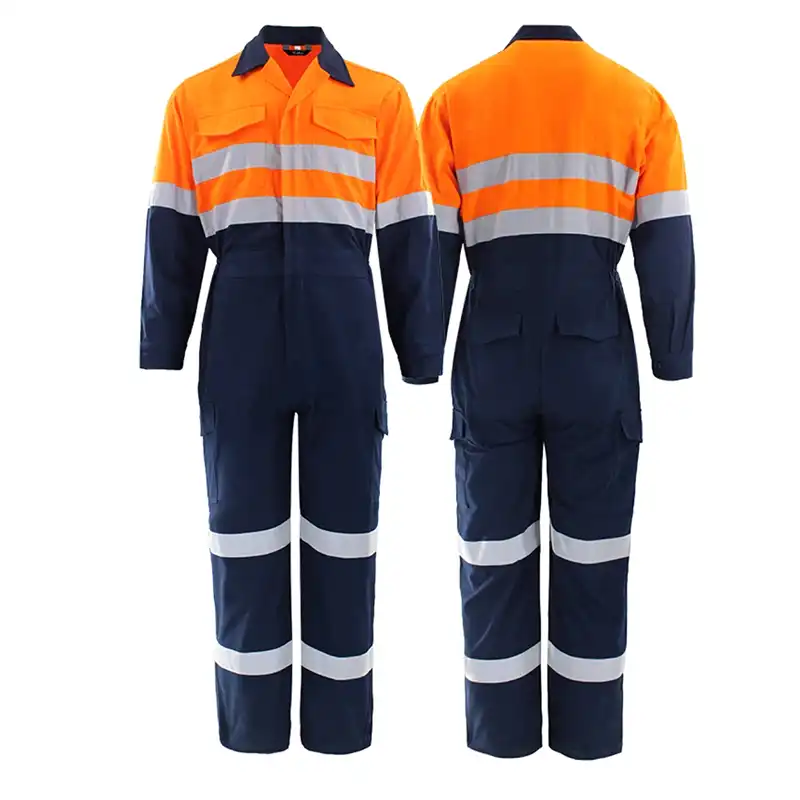
Understanding Lightweight Reflective Trousers and Their Benefits
Learn about lightweight reflective trousers and what they can do for you. High-visibility work clothes for summer are carefully designed to strike a balance between safety and usefulness. In some fields, being able to spot workers from a distance can mean the difference between normal operations and accidents at work.
Core Technology Behind Reflective Safety Pants
Modern reflective trousers operate on retroreflection: light reflects back to its source rather than scattering. Glass beads or micro-prismatic tape are embedded into fluorescent yellow or orange base fabrics. High-end models achieve Coefficient of Retroreflection (RA) above 330 cd/(lx·m²), ensuring driver visibility before dangerous proximity. Base materials typically use 300D Oxford polyester with polyurethane coating. This technical standard proves critical for teams working near traffic.
Breathability and Moisture Management Features
Summer work demands active sweat and heat management. High-quality lightweight reflective trousers incorporate moisture-wicking technology drawing sweat from skin for rapid release. Cotton-polyester blends like 65/35 balance durability with natural fiber comfort. Ventilation zones along inner legs and behind knees promote airflow without compromising protection. These features directly impact worker productivity and heat stress prevention when temperatures exceed 90°F.
ANSI Compliance and Safety Standards
Regulatory compliance drives B2B procurement decisions. Reflective trousers for North American markets must meet ANSI/ISEA 107 guidelines as Class E (Ensemble) garments. Alone they cannot achieve Class 2 or 3 ratings, but paired with compliant high-visibility tops they elevate overall ensemble classification. Standards mandate specific reflective material coverage and placement patterns. Understanding these requirements helps facility managers meet OSHA rules and insurance requirements.
Comparing Lightweight Reflective Trousers: Making the Right Choice for Your Business
To choose the right high-visibility lower body protection, you need to take a number of things into account, such as your working surroundings and the needs of your workers. There are a lot of choices, which can make it hard to decide. But focusing on key differences makes the process easier.
Lightweight Versus Insulated Reflective Options
The difference in reflective trousers types based on the season has a huge effect on worker comfort and safety. In comparison to insulated versions that weigh more than 350 GSM, lightweight reflective trousers favor ventilation and reduced fabric weight, usually between 180 and 250 GSM. Models made for summer don't have warming linings. Instead, they have mesh panels or perforated parts that let air flow all the time. This construction is necessary for workers doing average physical activity in full sunlight, which happens a lot when working on roads, maintaining parking lots, and setting up outdoor events in North America during the warmer months. The downside is that these clothes don't protect as well against cool mornings, but they're perfect for places where daily lows stay above 60°F during working hours.
Breathable Fabric Technology Comparison
Not all moisture-wicking fabrics perform equally. Cotton-polyester blends allow some moisture passage but may retain more water when saturated. Modern polyester weaves in pure synthetic constructions dry faster and maintain shape through hundreds of wash cycles. Technologies like Coolmax create capillary action evaporating sweat up to 40% faster than conventional fabrics. These performance differences reduce fatigue and improve focus for workers moving between climate-controlled and outdoor areas.
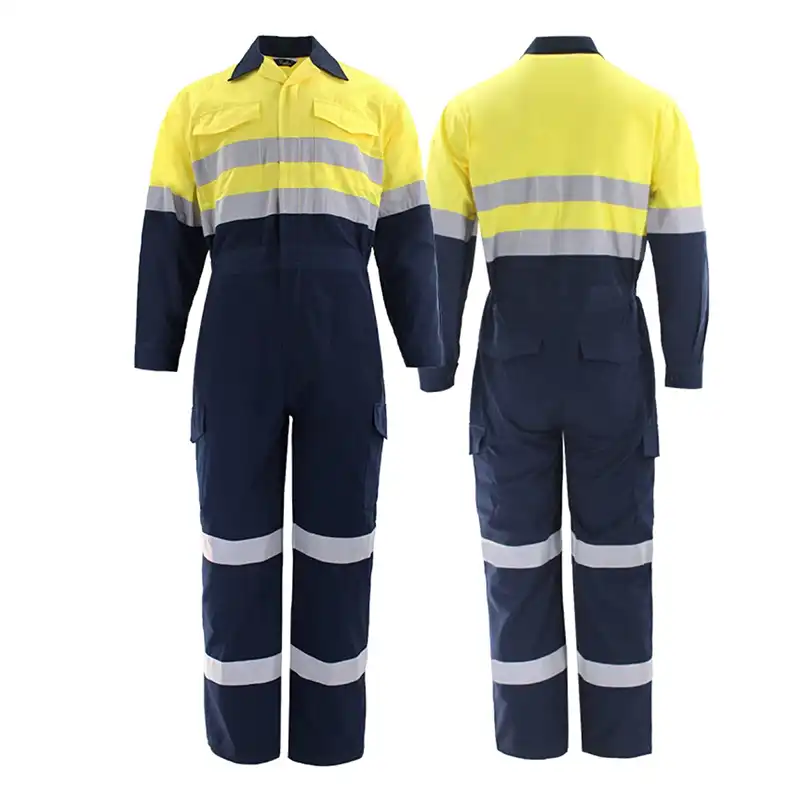
Design Features That Enhance Functionality
Practical design determines long-term value and user acceptance. Cargo-style pockets with reinforced stitching hold tools and phones without sagging. Articulated knee designs enable natural movement when crouching or rising. Adjustable waistbands with elastic components accommodate various body types. Reinforced seat and knee areas extend garment life. These details lower replacement frequency and increase worker satisfaction across diverse job duties.
Procurement Strategies for Lightweight Reflective Trousers
To be successful at B2B sourcing, you need to do more than just find the right goods. You also need to evaluate suppliers, find ways to save money, and follow quality assurance methods. Using strategic buying practices will make sure that your investment gives you the best return possible while also meeting all safety and legal requirements.
Identifying Reliable Suppliers and Manufacturers
Global markets offer many high-visibility workwear sources, but quality standards and regulatory knowledge vary. Shenzhen Welston Garment Co., Ltd. (founded 1998) exemplifies quality with 27 years of workwear expertise, three factories, ten production lines, and partnerships with Panasonic, Benz, and Toyota. When evaluating suppliers, verify certification compliance, review third-party audit reports, and request samples for independent testing before large-volume commitments.
Bulk Purchasing Advantages and Customization Options
Bulk purchasing delivers unit price reductions and operational improvements. Manufacturers like Welston enable logo customization through screen printing, water-based printing, or heat transfer for brand consistency across your workforce. Minimum orders typically start at 100 pieces, making customization accessible to medium-sized businesses. Bulk shipping from Asian producers to North American distribution points reduces per-unit logistics costs and consolidates freight expenses.
Quality Verification and Compliance Checking
Having strict quality control processes in place saves your business from low-quality products that put workers at risk or break down too soon. Ask for specific information about the cloth, where the reflective tape comes from (ideally 3M or a similar), and how long it will last after being washed using ISO 6330 test data. Assert that the items be inspected before they are shipped to make sure they are the right size, the stitches are intact, and they will reflect light properly under standard optical testing. For ANSI compliance, make sure that makers know American safety standards as well as European EN ISO 20471 requirements. The standards vary in how materials are placed and how much of each is needed. Setting clear acceptance criteria in buy deals lets you reject batches that don't meet the standards, so your company can keep its safety standards without sacrificing anything using lightweight reflective trousers.
Care, Maintenance, and Longevity of Lightweight Reflective Trousers
To get the most use out of high-visibility clothing, users need to be clearly told how to do regular care. If you don't take good care of these trousers, the bright qualities that make them useful safety gear can wear off quickly.
Proper Laundering Techniques
The way fabrics are washed in factories has a big effect on how well they reflect light and how long they last. When washed according to the manufacturer's instructions, standard reflective trousers keep their photometric integrity for 25 to 50 washes. Always use light cleansers that don't have bleach added to them, because chlorine-based products break down the glue that holds reflective materials to base fabrics. The water should not be warmer than 140°F, and low heat levels or drying on the line are best when using a dryer. Fabric softeners leave behind a coating that makes moisture-wicking less effective and can lower retroreflection by filling up the substructure of glass bead surfaces. Commercial laundry services should get written care directions so that employees don't do things that aren't good for the clothes and cancel the guarantee or shorten their life.
Inspection and Replacement Protocols
Setting up regular review times for clothes makes sure they stay in compliance for the whole time they are being used. Before each shift, workers should look over their gear to see if any of the reflective tape is split, the seams are torn, or the fluorescent colors are faded enough to not meet ANSI standards for visibility. Facility managers should do full checks every three months using standard checklists to keep track of wear trends and help them decide what to replace. When retroreflective material has obvious cracks, peeling edges, or lost glass beads, it needs to be thrown away right away, even if the fabric is still intact. Quality lightweight reflective trousers typically last between 12 and 18 months of normal industrial use, but this can change depending on the amount of work that needs to be done, how often they are washed, and how often they are exposed to rough materials.
Extending Functional Lifespan
Several things you can do will help you get the most out of your investment while still meeting safety standards. Rotating several pairs of clothes among workers makes each pair less stressed and lets them dry completely between uses, which stops damage caused by moisture. UV light can fade bright background fabrics, but they can be kept in a separate room out of direct sunshine. By teaching workers to take off their clothes before getting into cars or running heavy machinery, damage to seat surfaces and machinery parts is kept to a minimum. When small fixes are needed, safety clothing-experienced tailors should do the work so as not to affect the placement of bright elements or create weak spots that cause the garment to fail more quickly.
Top Use Cases and Industry Applications of Lightweight Reflective Trousers
Knowing how different industries use high-visibility summer clothing helps procurement pros make choices that are right for the situation and solve practical problems.
Construction and Infrastructure Projects
Reflective trousers are crucial for several jobs, including road building, bridge repair, and utility installations. People who work near busy traffic lanes are constantly at risk from vehicles, especially during shifts that start at dawn or dusk or at night, when visibility drops sharply. Heat-reflective roads and the summer sun make for very hot situations where fabrics that let air pass through them keep people from getting too tired. Projects all over the US, from expanding highways in Texas to fixing up bridges in the Northeast, have to follow state DOT rules that are often stricter than the base ANSI standards. Crews can work easily through long shifts that may last 10 to 12 hours during good weather windows thanks to lightweight reflective trousers.
Logistics and Warehouse Operations
Distribution centers, freight hubs, and last-mile delivery services are becoming more and more aware of how important it is to have high-visibility lower body safety. Forklifts, delivery trucks, and cross-dock activities all make it necessary for workers on foot to be seen by drivers and operators of heavy machinery. Many places are open 24 hours a day and have different lighting, so bright clothing should be considered normal safety gear and not just an extra. The lightweight design lets warehouse workers and delivery drivers move quickly through loading areas without being slowed down by cloth or getting too hot. This is especially important in warmer regions where facilities aren't climate-controlled. Companies that ship goods across the country benefit from standardized safety rules that make reflective trousers required PPE for everyone working in areas where vehicles are operated.
Event Management and Municipal Services
Outdoor events like fairs, concerts, and sports games need large setup teams that work during the evenings and early mornings. Permanent lighting isn't available in these temporary work areas, so personal safety gear is the best way to avoid getting hit by a car or damaging equipment. Lightweight reflective trousers that let maintenance teams easily switch between different tasks during their shifts are also helpful for municipal maintenance teams that manage parks, streets, and traffic control. Modern high-visibility clothing looks professional and can be worn in public jobs while still meeting strict safety standards. This means that these clothes can be used in many situations outside of traditional industrial settings.
Conclusion
In conclusion, for B2B companies working in a variety of summer outdoor settings, lightweight reflective trousers represent an important safety investment. Combining advanced retroreflective materials with flexible, moisture-wicking fabrics is a new technology that solves the problems of sight and thermal comfort that come with working in warm weather.
To find the best value, procurement managers have to look at choices through a number of different views, including ANSI compliance, fabric performance features, supplier reliability, and lifetime cost analysis. The difference between standard and luxury products is clear when you look at wash longevity tests, photometric performance data, and feedback from real users who have used the products in similar work situations. Strategic relationships with well-known makers allow for customization, better price through bulk purchases, and uniform quality that protects both workers and the company from potential damage.
FAQ
1. What differentiates Class E reflective trousers from Class 2 or Class 3 ratings?
According to ANSI/ISEA 107 guidelines, reflective trousers by themselves can't get Class 2 or Class 3 ratings. They are in Class E (Ensemble), which means that you must wear them with high-visibility tops that are in Class 2 or Class 3 to make a full outfit. The end classification is based on the total amount of reflective material covering and the area of background cloth, so it is important to buy everything at the same time to be in compliance.
2. How do I verify reflective performance without laboratory equipment?
For an actual field test, the item of clothing must be put at eye level in a dark room, and a flashlight held at nose level must be pointed at the trousers. Good reflecting tape should make the light return bright and easy to see. Even though this doesn't give a number to the Coefficient of Retroreflection, it does show that the basic functionality is correct when compared to control examples and that clearly damaged materials need to be replaced.
3. Can lightweight reflective trousers withstand industrial laundering?
Standard types keep working well for 25 to 50 washes if they are cleaned with mild soaps, warm (not hot) water, and low-heat drying. Bleach and cloth softeners that break down reflective qualities should not be used by commercial washing services. Always ask sellers for wash longevity certifications and set up checking procedures to keep an eye on the state of garments throughout their useful life.
Partner with Welston for Premium Reflective Trousers
Join forces with Welston to get high-quality reflective trousers. When purchasing things, companies need to be able to combine professional know-how with a track record of dependability. Welston has three specialized factories with ten production lines and more than 580 trained workers. They use high-tech equipment from Japan's JUKI and Taiwan's SHINLING to make sure that the quality of every order is the same.
Our light reflective trousers are made with approved retroreflective materials that meet ANSI standards. They also have breathable fabrics that are designed especially for summer outdoor use. Customization options include adding your name, changing the size, and setting up the pockets in a way that fits your needs, and you can place an order as little as 100 pieces. Get in touch with our technical team at [email protected] to talk about your needs, ask for samples, or get detailed quotes from a seller of reflective trousers who cares about the security and comfort of your team.
References
1. American National Standards Institute. (2020). ANSI/ISEA 107-2020: American National Standard for High-Visibility Safety Apparel and Accessories. International Safety Equipment Association.
2. Patterson, R. & Williams, M. (2019). Retroreflective Materials in Occupational Safety: Performance Characteristics and Field Applications. Journal of Safety Research, 68, 145-158.
3. Chen, L., Roberts, D., & Kumar, S. (2021). Thermal Comfort and Moisture Management in Summer Workwear: Fabric Technology Advances. Textile Research Journal, 91(15-16), 1876-1889.
4. National Institute for Occupational Safety and Health. (2018). Criteria for a Recommended Standard: Occupational Exposure to Heat and Hot Environments. U.S. Department of Health and Human Services, Publication No. 2016-106.
5. Thompson, J. & Anderson, K. (2022). High-Visibility Apparel Compliance in North American Construction: Industry Survey and Best Practices. Safety Science, 148, 105642.
6. Morrison, H., Fletcher, T., & Zhang, Y. (2020). Durability and Maintenance of Retroreflective Safety Garments: Industrial Laundering Impact Studies. International Journal of Occupational Safety and Ergonomics, 26(3), 612-624.
We specialize in designing, producing, and selling corporate clothing. Mainly produces: industrial clothing, business uniforms, and work clothes for different companies.

About Welston Garments


