Why Are Canvas Trousers Ideal for Industrial Uniforms?
The sturdiness and usefulness of canvas trousers are unmatched for industrial uniforms. This is why building companies, transportation companies, and manufacturing plants all over North America choose them. These clothes are made from tightly woven plain-weave cotton or mixes. They are resistant to wear and tear, can hold heavy tool loads, and protect workers without melting in places where safety must not be compromised. Their structural stability greatly lowers the number of times they need to be replaced, and they stay comfortable during long shifts, which is what procurement professionals want when they're looking for reliable, cost-effective clothing.
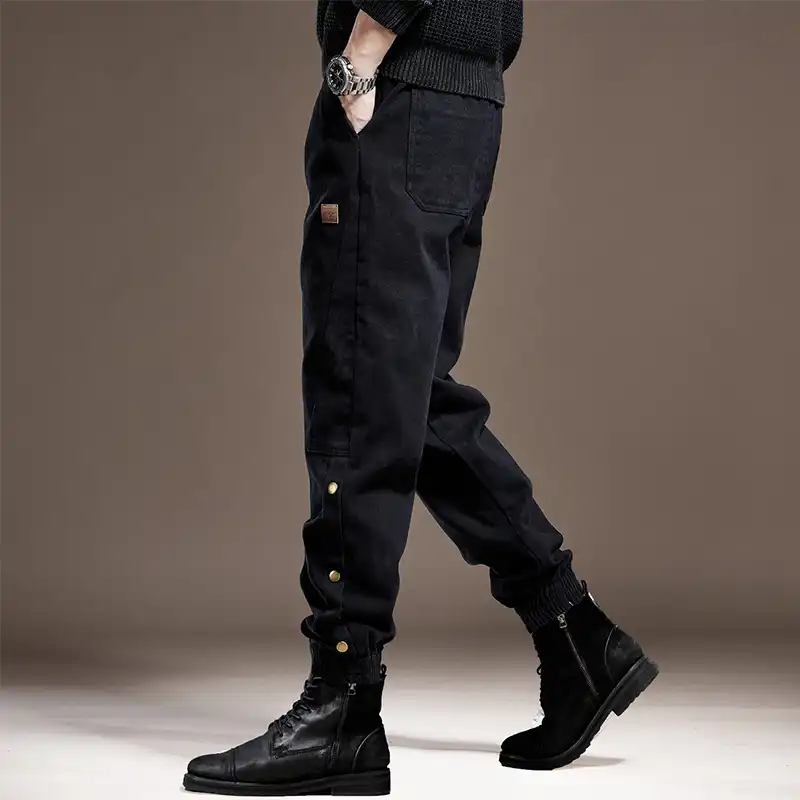
Introduction to Canvas Trousers in Industrial Workwear
Understanding Canvas Fabric Construction
Canvas trousers stand out when we talk about industrial clothing because of the way their fabric is made. Canvas has a 1x1 plain weave, weft yarns going over and under warp yarns, unlike denim's diagonal twill. This tight interlacing creates a flat, thick surface that resists catching on metal edges, rough concrete, and exposed rebar. The cloth is typically 100% ring-spun cotton or high-tenacity blends weighing 10oz to 14oz+, enabling purchasing managers to match clothing to job demands from building work to heavy machinery operation.
Industrial Uniform Requirements and Workplace Challenges
Industrial settings pose unique problems regular clothes can't solve. Construction workers rub against rough objects. Welders need melt-resistant clothing from sparks or slag. Logistics teams need strong pockets holding tools without sagging. Maintenance techs working twelve-hour shifts require bending, kneeling, and rising capability. North American safety standards like ANSI require tear resistance, shape retention after washing, and reinforced stress points. Canvas trousers meet these requirements while allowing airflow to prevent heat stress.
Durability and Performance Benefits of Canvas Trousers for Industry
Superior Tensile Strength and Abrasion Resistance
The plain weave structure gives equal tensile strength in both directions, stopping tears from spreading quickly. Quality canvas shows better grab strength than cotton twill or light synthetics per ASTM D5034 standards. If a carpenter's canvas trousers catch on jutting wood, they won't tear fully unlike regular pants. Industrial-grade canvas exceeds 50,000 Martindale abrasion rubs, far outlasting denim. This means lower repair costs and fewer clothing failures for large workforce uniform programs.
Breathability During Extended Wear
Despite being thick, canvas trousers remain breathable due to natural cotton fibers that pull moisture away from skin. The fabric structure allows airflow while blocking wind, benefiting workers moving between indoor construction and outdoor truck loading. This moisture control prevents concentration-harming sweat and reduces discomfort during long shifts. In moderate North American industrial climates, breathability helps workers maintain comfortable body temperature without synthetic fabric overheating or lighter material rapid wear-through.
Moisture and Environmental Resistance
Raw canvas possesses natural water-resistant properties that improve when the fabric gets wet—the cotton fibers swell, temporarily tightening the weave. Many manufacturers enhance this characteristic through Durable Water Repellent (DWR) treatments that cause liquids to bead and roll off the surface rather than soaking through immediately.
It's important to know the difference between sealing and water protection. Canvas trousers are good for light rain, splashes, and humidity, but for long periods of time in heavy wetness, you need special waterproof clothes. For most industrial uses, like car repair shops, light building, warehouses, and factory floors, properly treated canvas's resistance to moisture is enough protection without losing its ability to breathe.
Fit, Functionality, and Design Considerations for Industrial Use
Freedom of Movement and Safety-Conscious Fitting
The right size has a direct effect on both safety and efficiency. When it comes to ergonomics, industrial-grade canvas trousers have flexible knees, gusseted crotches, and strategically placed stretch panels that let you bend, squat, and climb. Certain parts of the design keep workers from being slowed down or stopped, which can be dangerous when quick actions are needed.
When pants fit well, they don't have extra fabric that could catch on moving machines or on ladders while you're working up high. When measuring, purchasing managers should be very specific, taking into account whether workers wear extra clothes underneath in the winter or need room for knee pad inserts.
Reinforced Stitching and Functional Features
The way canvas trousers are put together has a big impact on how well they hold up. Triple-needle stitching at the seams and crotch points spreads the stress over several stitch lines, which keeps normal garments from falling apart at the joints. Bartack reinforcements, which are usually at least 42 stitches long, keep pocket corners and belt loops safe from tools and equipment that are constantly being loaded and unloaded.
When making B2B purchasing choices, pocket style should be given extra thought. Cargo pockets that are placed smartly and have strengthened ends can hold measuring tapes, screws, and small tools without adding too much bulk that makes it hard to move. In some designs, there are holes specifically made for hanging hammers or utility knives. This makes sure that important tools are always close at hand while letting you work without using your hands.
These useful parts can also be customized by Welston customers, who can choose the layout of pockets, the location of reinforcements, and extras like knee pad pouches that are popular with electricians and plumbers who spend a lot of time crouching. Our low order number of 100 pieces means that even medium-sized businesses can get custom designs.
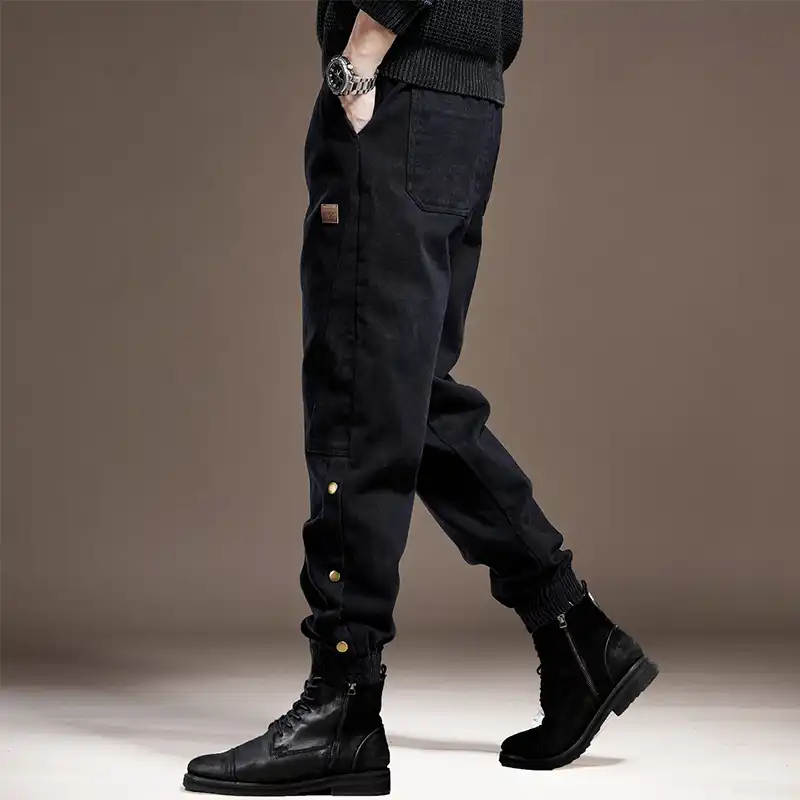
Comparing Canvas Against Alternative Workwear Options
Procurement workers can make better decisions when they know how canvas trousers stack up against other choices for industrial clothing. Most cargo pants are made of lighter-weight cotton or synthetic mixes that are flexible and have lots of pockets but aren't tough enough for heavy-duty use. Denim is moderately durable because it is made of twill, but it wears in vertical lines and doesn't block the wind as well as canvas.
Chinos look more put-together and are good for light industrial or business settings, but they can't handle the physical demands of production or building sites. Reinforced-knee work pants made of synthetic materials may offer some safety benefits, but they often don't breathe well and can melt in hot work settings.
The choice of canvas weight is very important for application matching. The lighter 10oz canvas is good for office work, store planning, and simple assembly tasks. The medium 12oz weight is good for basic construction, auto repair, and building upkeep. Heavy 14oz+ canvas is used for tough jobs like working with metal, operating big machinery, and places where it will be exposed to a lot of wear and tear.
Maintenance and Longevity: How to Care for Canvas Trousers at Work?
Optimal Washing and Maintenance Routines
Being careful with how you take care of canvas trousers will make them last much longer while still protecting you. To keep the purity of the cloth, industrial laundry should follow certain rules for temperature and detergent. Washing cotton-based canvas in cold to warm water keeps it from shrinking too much, and not using chlorine bleach saves the fiber strength and any treatments like DWR coats that were applied.
Sanforization processed pre-shrunk canvas trousers keep residual shrinkage to less than 3%, but buying teams should still check with sources to make sure this is the case. Most canvas clothes can be dried in a dryer on medium heat, but air drying them makes them last longer because it lowers the temperature stress on the fibers.
It's important to pay attention to the type of soiling when trying to get rid of a stain. Degreasers should be used before cleaning to get rid of oil-based contaminants from machines. Most of the time, industrial washing equipment with motorized agitation is better at getting rid of concrete dust and drywall paste than regular home machines.
Cost-Efficiency Through Extended Replacement Cycles
The total cost of owning industrial uniforms includes more than just the original purchase price. It also includes how often the uniforms need to be replaced, how much it costs to wash them, and how much lost production there is when the uniforms break. When you compare these costs to lighter-weight options, canvas trousers are more cost-effective in every way.
A good pair of quality canvas trousers can last six to twelve months of daily industrial use before they need to be replaced. This is twice or three times as long as a regular pair of cotton twill pants in the same situations. This longevity cuts down on both the work that goes into buying uniforms and the downtime that comes from having to replace them quickly.
Welston has strict quality control procedures, and our team of more than 580 workers in various facilities works together to make sure that the dimensions and construction are always the same, so there isn't much difference in size between orders. This dependability is very important for programs that manage inventory across various work sites or delivery centers in North America and other places.
Procurement Insights: Selecting and Sourcing Canvas Trousers for Industrial Uniforms
Essential Selection Criteria for B2B Buyers
When you want to buy canvas trousers strategically, you should start by making sure that the specs you use match your working needs. The most important thing is the makeup of the material. For example, 100% cotton canvas is best for spark resistance in welding and electrical work, while cotton-nylon mixes are better for abrasion resistance in logistics and heavy building.
Certifications of compliance should be carefully checked. When buying clothes in North America, people should make sure that they are compatible with ANSI standards and that the clothes meet safety standards set by OSHA or industry-specific rules. European customers value EN standard approvals and are also asking for more eco-friendly qualifications, such as OEKO-TEX certification or recycled content percentages.
Reliability in the supply chain is directly affected by the image and production capabilities of suppliers. Manufacturers that have been around for a while and have more than one facility can handle both ongoing restocking orders and quick scaling for holiday worker increases. Welston's three factories and ten production lines give them this freedom. They can serve a wide range of customers, from large wholesalers in Asia and the Pacific to specialized building outfitters in North America.
Customization Options and Brand Considerations
More and more, modern industrial uniform programs use customizing to raise worker happiness, make brands more visible, and make sure workers follow safety rules. Customization methods for canvas trousers are very flexible. Large logos can be screen printed, detailed images can be heat transferred, and long-lasting, professional-looking company recognition can be embroidered.
Choosing the right color affects both how it looks and how useful it is. People still like traditional khaki and blue because they look professional and hide dirt well. High-visibility choices with bright parts meet safety standards for roadwork, utility maintenance, and other tasks that need better worker visibility.
Welston has screen printing, water-based glue application, and heat transfer production lines that make customization easier without making wait times longer. Our design team has won many professional clothing awards over the past 27 years. They work with clients to create uniform programs that are both useful and good for representing the brand.
Cost-Value Analysis and Supplier Negotiation
Effective buying weighs the initial cost of clothes against their total cost of ownership, taking into account things like how often they need to be replaced, how long they last when washed, and how worker happiness affects productivity. Canvas trousers usually cost more up front than lighter options, but they are worth it because they last longer and don't need to be replaced as often.
Pricing systems that are based on volume reward smart ways of buying. It is often possible to save a lot of money on costs without sacrificing delivery times by combining purchases made at different sites or timing orders to match the production plans of manufacturers. Another benefit of Welston is that we offer flexible payment terms that help clients control their cash flow while still getting the goods they need.
Purchasing managers should ask for specifics like the weight of the cloth, the stitch designs, the locations of the reinforcements, and the treatments that were applied. Before placing a big order, physical samples let you see how well the building really is. Welston's committed after-sales team answers to sample requests within 24 hours. This shows our dedication to open and collaborative client relationships, which has helped us build partnerships with Dell, Toshiba, and major stores on three continents.
Conclusion
Canvas trousers represent the optimal choice for industrial uniform programs demanding durability, safety, and cost-effectiveness. Their superior abrasion resistance, breathability, and structural integrity address the practical challenges faced daily by construction crews, logistics teams, and manufacturing personnel. Strategic procurement considers fabric weight, construction quality, compliance certifications, and supplier capabilities to match garments precisely to operational requirements. Proper maintenance maximizes service life, while customization options enhance brand visibility and worker satisfaction. The combination of performance characteristics and total cost advantages makes canvas trousers an essential component of effective industrial workwear programs.
FAQ
1. What makes canvas trousers more durable than denim for industrial work?
Canvas has a structure called "plain weave," which means that the yarns join perpendicularly. This makes the surface dense and even, which prevents sticking and spreads stress evenly. Denim's twill weave makes vertical banding that is softer but more likely to show wear patterns and thread pull-outs in places with a lot of wear and tear.
2. Can canvas work pants provide adequate protection for welding applications?
Yes, canvas trousers provide great defense against sparks and slag when made of 100% cotton in the right weights (usually 12oz or heavier). Synthetic fabrics melt and stick to the skin, but cotton canvas turns into carbon dioxide when it gets hot. This is very important for protecting welders and metal makers from getting burned.
3. How should procurement teams specify canvas weight for different applications?
The lighter 10oz cloth works well in warehouses, stores, and light assembly areas. The medium 12oz weight is good for basic construction, auto repair, and building upkeep. Heavy 14oz+ canvas is used for tough jobs in heavy building, metal fabrication, and places where rough surfaces are often come into touch with the fabric.
Partner with Welston for Premium Canvas Trousers Manufacturing
Welston provides industrial-strength canvas trousers backed by almost 30 years of manufacturing experience when your business needs durable work clothes that keep your employees safe while keeping uniform costs down. Our high-tech factories, which are stocked with Japanese and Taiwanese precise tools, make clothes that meet ANSI safety standards and your exact needs, from custom pocket layouts to strengthened stitching patterns. We know what you're going through because we're a dependable seller of canvas trousers to Fortune 500 companies in the building, electronics, and automotive industries. Get in touch with [email protected] right away to talk about your uniform needs, ask for samples, or look into ways to buy in bulk starting at just 100 pieces. Our quick-to-respond team gives you useful solutions within 24 hours, so you can be sure that your employees are safe, relaxed, and able to do their jobs.
References
1. American National Standards Institute. (2023). "ANSI/ISEA 107-2020: High-Visibility Safety Apparel and Accessories Standards." Industrial Safety Publications.
2. Baker, J.M. & Richardson, T.L. (2022). "Fabric Performance in Industrial Environments: Comparative Analysis of Weave Structures." Journal of Textile Engineering and Technology, 48(3), 112-127.
3. International Organization for Standardization. (2021). "ISO 12947-2: Textiles—Determination of Abrasion Resistance—Martindale Method." Geneva: ISO Standards Publications.
4. National Fire Protection Association. (2023). "NFPA 2112: Standard on Flame-Resistant Clothing for Protection of Industrial Personnel." Quincy: NFPA Publishing.
5. Occupational Safety and Health Administration. (2022). "Personal Protective Equipment Standards for General Industry." Washington: U.S. Department of Labor.
6. Thornton, R.A. (2021). "Total Cost Analysis in Corporate Uniform Programs: Beyond Initial Purchase Price." Procurement Management Quarterly, 15(2), 78-94.
We specialize in designing, producing, and selling corporate clothing. Mainly produces: industrial clothing, business uniforms, and work clothes for different companies.

About Welston Garments


