The Best UV-Protective Clothing for Desert Hikes
When travelling through dry areas where UV levels often reach 11, choosing the right clothes is more of a health issue than a fashion choice. Desert UV-Protective Clothing is a specific type of technical clothing with UPF 50+ ratings that block over 98% of harmful UVA and UVB radiation while still letting air flow in temperatures above 104°F. These clothes are made with moisture-wicking polyester mixes, strategically placed ventilation panels, and a lightweight design to prevent solar erythema and heat exhaustion during extended outdoor activities in South American wilderness areas, Middle Eastern adventures, and North American trails.
Understanding Desert UV-Protective Clothing
The Science Behind UV Protection Technology
The approved Ultraviolet Protection Factor scores make Desert UV-Protective Clothing very different from other camping clothes. Tightly woven synthetic fabrics, usually mixes of polyester and nylon, are used in high-quality clothing to directly block sun radiation at the molecular level. These textiles provide constant protection throughout the day, independent of perspiration or activity level, in contrast to chemical sunscreens that need to be reapplied every two hours.
Two main protective methods are used in the fabric fabrication. While some manufacturers directly add titanium dioxide particles into yarn polymers during production, dense weave designs reduce gaps between fibers, reducing UV penetration. Topical chemical treatments can deteriorate after 20–30 wash cycles, but this innate protection lasts longer.
Material Composition and Performance Standards
When purchasing people look at Desert UV-Protective Clothing, they should make sure it meets the testing standards set by ASTM D6603 or AS/NZS 4399. These standards check how much UV light passes through cloth samples when they are dry and when they are wet, because wet goods can make them less durable. Premium clothes keep UPF 50+ ratings even when saturated with sweat—a critical factor during desert hiking where perspiration rates can reach one liter per hour.
The three requirements of today's technologically advanced textiles are to move moisture around, allow air to pass through, and block UV radiation. With clever mesh placement in low-exposure areas like underarms and side panels, advanced synthetic blends achieve air permeability rates beyond 50 cubic feet per minute (CFM) while maintaining tight weaves across shoulders and the back where direct solar exposure peaks.
Why Choose UV-Protective Clothing for Desert Hikes?
Health Protection Beyond Sunscreen
Using only sunscreen on the skin creates many failure points when doing activities in the desert. Errors in application result in coverage gaps, particularly in difficult-to-reach areas like the back of the neck and the ears. Exercise causes perspiration, which erodes chemical barriers. Additionally, protective coatings can be worn away by wind-blown sand particles within hours after application.
All of these issues are eliminated with desert UV-protective clothing. Because they provide continuous full-spectrum protection, long-sleeved shirts with UPF ratings are advised to be worn from sunrise to sunset. Outdoor workers who wear UPF-rated clothing have 78% fewer cases of acute UV damage than those who only use sunscreen, according to research from dermatological institutes.
Operational Efficiency in Extreme Conditions
Technical sun protection clothing helps with thermoregulation issues unique to desert regions in addition to preventing sunburn. High-quality clothing has moisture-wicking properties that employ capillary action to draw perspiration away from the skin and disperse it across the fabric's outside for rapid evaporation. Compared to cotton clothing, which retains moisture against the body and loses its insulating effect when wet, this phase-change cooling can reduce felt temperature by 10–15°F.
Outdoor retailers and lifestyle brands serving the North American market increasingly require moisture-management testing via AATCC 195 standards when buying inventory. In these tests, one-way transport is checked to make sure that sweat goes outward and not into the inner layers of cloth. This keeps you comfortable on long hikes through Joshua Tree, Death Valley, or the Sonoran Desert over several hours.
How to Choose the Right UV-Protective Clothing for Desert Use
Evaluating UPF Certifications and Coverage Design
Procurement managers must distinguish between marketing claims and verified protection levels. Authentic Desert UV-Protective Clothing bears third-party testing certifications from recognized laboratories, with documentation specifying UPF values and testing methodologies. Garments rated UPF 50+ block 98.5% of UV radiation, allowing only 1/50th of solar energy to reach skin—substantially superior to UPF 15 products that permit 1/15th penetration.
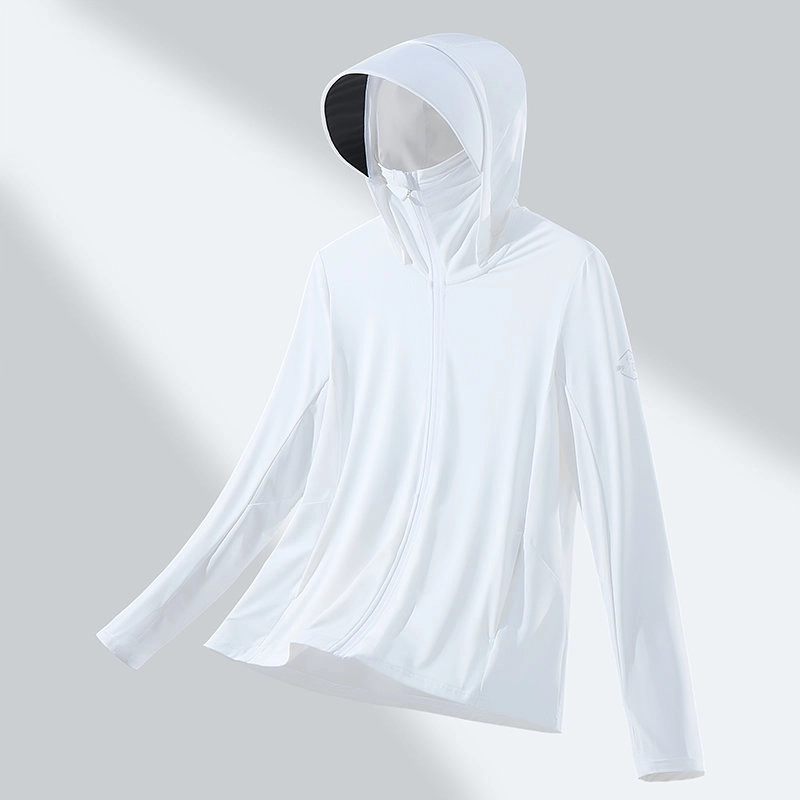
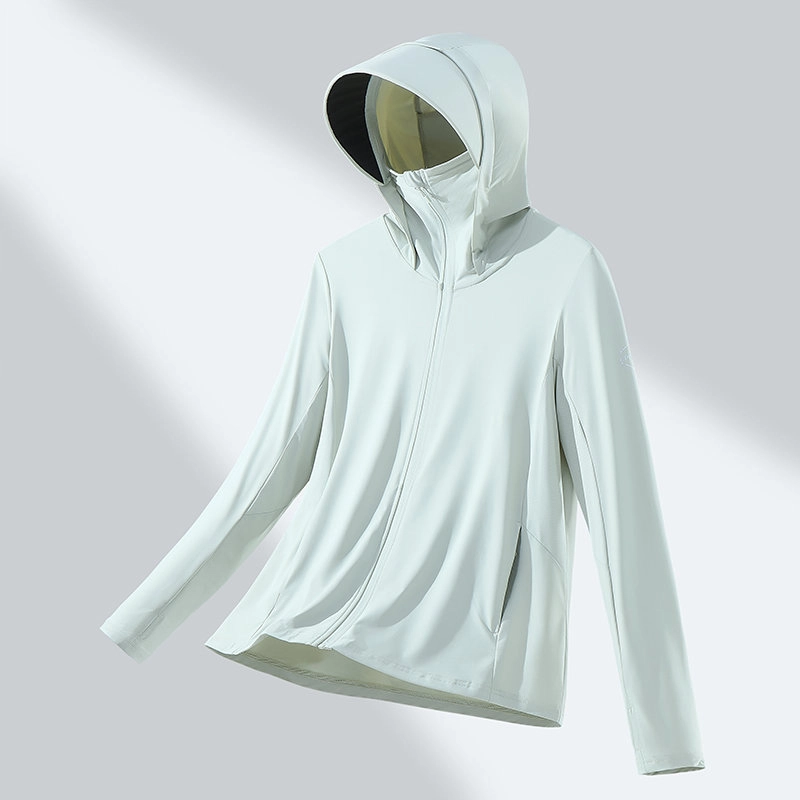
Coverage design has a big effect on how well security works. Long-sleeved shirts with crew or mock-turtle necklines, long cuffs with thumb loops, and drop-tail hems at the back offer full coverage without needing to be repositioned all the time. Many technical designs have built-in hoods with strengthened brims that protect the head and face without having to wear separate hats that can blow away in gusts of desert wind.
Balancing Cost with Performance Longevity
When making a budget, you need to think about the total cost of ownership, not just the purchase price. Entry-level items that use external UV treatments may be cheaper, but they need to be replaced after 30 to 40 washings because the chemical coats wear off. Premium clothes with UV-blocking particles built into the yarn and polymer structures keep you safe forever, often longer than the fabric itself.
Bulk procurement opportunities through established manufacturers like Welston—operating three production facilities with ten dedicated lines—enable volume discounts that narrow the price gap between basic and advanced options. Customisation options, such as adding a logo, choosing the colours, and making size changes based on the needs of the workforce, become available for orders of at least 100 pieces.
Supplier Reliability and After-Sales Support
Developing connections with producers who provide comprehensive quality control procedures safeguards the money you spend on purchases. Reputable vendors verify production batches for spectrophotometric UV transmittance, evaluate colorfastness under xenon-arc exposure that mimics years of desert sunshine, and measure dimensional stability after thermal cycling.
For 27 years, Welston has worked with businesses in North America, Europe, and Asia. He has formed alliances with Toyota and Panasonic. This demonstrates the dependability of their supply chain, which is crucial for big purchases. They assist procurement teams reach strict delivery schedules during seasonal inventory cycles by promising to respond to consumer inquiries and resolve issues within a day.
Top-Rated Desert UV-Protective Clothing Brands and Suppliers
Identifying Quality Manufacturers in Global Markets
There are different levels of the Desert UV-Protective Clothing market, each serving a different set of buying needs. Outdoor speciality brands go after high-end retail channels with designs that are full of features and use advanced fabric technologies. On the other hand, workwear suppliers focus on making clothes that last and are good value for money for safety applications in the agriculture and construction industries.
Because it can do vertical integration, Shenzhen Welston Garments stands out in the B2B world. Their three factories have full production systems, from Japanese JUKI machines used for pattern cutting to screen printing and heat transfer decoration lines. This infrastructure allows for large-scale customisation, so buying teams can define technical needs like ripstop strengthening, reflective trim placement, or antimicrobial treatments without having to deal with complicated multi-vendor coordination.
Customization Capabilities for Specialized Applications
Corporate uniform programs and branding goods efforts require more than off-the-shelf supplies. Leading fabric providers can help you choose from a wide range of fabrics, including recycled polyester blends that meet the requirements for European sustainability certification, moisture-wicking polyamide constructions that are popular in outdoor stores in North America, and cost-optimized blends that can be used for workwear sales in the Middle East.
The design team at Welston works with customers to find a balance between their aesthetic tastes and the needs of the space. A tourist company that outfits desert trip guides might choose earth-tone colours with small brand embroidery. On the other hand, a building safety manager might ask for high-visibility panels that are built into UPF-rated base fabrics. This consultative approach changes procurement from buying things one-time to building strategic partnerships.
Caring for and Maintaining Desert UV-Protective Clothing
Preserving UPF Ratings Through Proper Laundering
Maintenance procedures directly impact garment lives and protective effectiveness. Harsh cleaners with optical brighteners or whitening agents can damage UV-blocking processes and the structure of fabrics. Manufacturers suggest using pH-neutral detergents made especially for technical sports wear and staying away from fabric softeners that coat fibres and make it harder for them to wick away wetness.
Washing should strike a balance between the need for cleanliness and the speeding up of wear. Due to the durability of the synthetic fibres, Desert UV-Protective Clothing can handle regular laundering better than most clothes. However, washing it too many times can speed up wear and colour loss. Spot-cleaning small areas of dirt between full washes keeps the UPF integrity of clothes and makes them last longer.
Storage and Replacement Indicators
Proper keeping away from direct sunlight and heat sources stops polymers from breaking down too quickly. When you fold clothes freely in a climate-controlled space, the structure of the fabric is better preserved than when you squeeze them or hang them for a long time, which can put stress on shoulder seams and change the fit.
Visual analysis shows when replacement is needed by using a number of signs. Thinning fabric noticeable when held to light, particularly at friction points like elbows and collar edges, signals lower UV protection. Color fading beyond cosmetic concern may indicate polymer breakdown affecting protective properties. Procurement managers should set replacement schedules based on how often the items are used. For example, for daily work wear, the schedule should be 12 to 18 months, and for leisure use, it should be 3 to 5 years.
Conclusion
To choose the best Desert UV-Protective Clothing, you need to find a balance between approved safety standards, moisture-management technology, and the dependability of the provider. Wearing clothes that are certified UPF 50+ and are made of breathable synthetic mixes is good for your health and makes working in harsh desert settings more comfortable. Procurement professionals partnering with established manufacturers gain access to customization capabilities, quality assurance protocols, and after-sales support that transforms apparel from commodity purchases into strategic safety investments. When technical innovation and manufacturing expertise come together, like with suppliers who have been in the business for ten years, companies can give their employees protection that works reliably anywhere from Arizona's Superstition Mountains to Saudi Arabia's Empty Quarter.
FAQ
1.Does UV protection degrade over time in these garments?
Protection longevity depends on manufacturing methodology. Topical chemical treatments on clothes usually stop working after 20 to 30 washes because the coats wash off. In order to keep UPF 50+ ratings throughout the fabric's physical lifespan—often longer than five years of regular use—Premium Desert UV-Protective Clothing includes titanium dioxide or ceramic particles embedded within yarn polymers during fibre production.
2.How does specialized desert apparel differ from standard hiking clothes?
Standard hiking gear is made to be as breathable as possible, so it may only offer UPF 10-15 protection and let 1/10th of UV rays through. Desert UV-Protective Clothing uses designed weaves that balance density for stopping rays with strategically placed venting panels to provide better protection without limiting airflow. This technical balance stops the "greenhouse effect" that happens a lot with basic sun protection clothes.
3.What UPF rating provides adequate protection for extended desert exposure?
UPF 50+ grades indicate ideal protection for high-UV settings, stopping 98.5% of harmful radiation. This setting allows for full-day contact in harsh situations with UV indices above 11. Even lower ratings, like UPF 30, are fine for mild climates, but they aren't safe enough for deserts, where sand and rocks reflect sunlight and make the exposure stronger.
Partner with Welston for Premium Desert UV-Protective Clothing Solutions
Welston makes it possible for outdoor stores, company safety programs, and tourist businesses to get UV-protective clothing that fits their exact needs. With a minimum order of 100 pieces, our three production facilities, each with its own Japanese JUKI cutting system and specialised customisation line, turn technical requirements into ready-to-use inventory. As an established Desert UV-Protective Clothing manufacturer serving global partners including Fortune 500 companies, we provide approved UPF 50+ garments combining moisture-wicking technology and eco-conscious material sourcing. Get in touch with [email protected] to talk about fabric choices, adding logos, and volume pricing plans that balance cost-effectiveness with safety. Ask for sample packs that show our high standards of quality and find out why sourcing teams on three continents trust Welston to provide mission-critical sun protection clothing.
References
1. American Association of Textile Chemists and Colorists. "AATCC Test Method 183: Transmittance or Blocking of Erythemally Weighted Ultraviolet Radiation through Fabrics." Technical Manual, 2021.
2. Diffey, Brian L. "When Should Sunscreen Be Reapplied?" Journal of the American Academy of Dermatology, vol. 45, no. 6, 2001, pp. 882-885.
3. Gies, Peter, et al. "Review of the Global Solar UV Index 2015 Workshop Report." Health Physics, vol. 114, no. 1, 2018, pp. 84-90.
4. Gambichler, Thilo. "Biological Effects of Ultraviolet Radiation Relevant to Health with Particular Reference to Sunbeds for Cosmetic Purposes." British Journal of Dermatology, vol. 167, no. 2, 2012, pp. 1-15.
5. Standards Australia/Standards New Zealand. "AS/NZS 4399:2017 Sun Protective Clothing—Evaluation and Classification." Joint Technical Committee, 2017.
6. Wang, Sharon Q., and Henry W. Lim. "Principles and Practice of Photoprotection." Springer International Publishing, 2016.
We specialize in designing, producing, and selling corporate clothing. Mainly produces: industrial clothing, business uniforms, and work clothes for different companies.

About Welston Garments


