UPF 50+ workwear for electricians and field technicians
In the United States, electricians and field workers still have to spend long periods of time outside as part of their jobs. UPF 50+ Workwear is a special type of industrial clothing that is made to block at least 98% of dangerous ultraviolet radiation. This keeps workers safe from sun damage while they work long shifts on transmission towers, solar systems, and utility repair sites. Certified sun-protective clothing, on the other hand, combines modern textile engineering with moisture-wicking qualities and breathable fabrics to meet both safety standards and worker comfort. This is different from regular work shirts, which may not offer much protection. This complete guide gives people who work in buying the technical knowledge and hands-on advice they need to choose the best sun-protective options for electrical and field work that takes place outside.
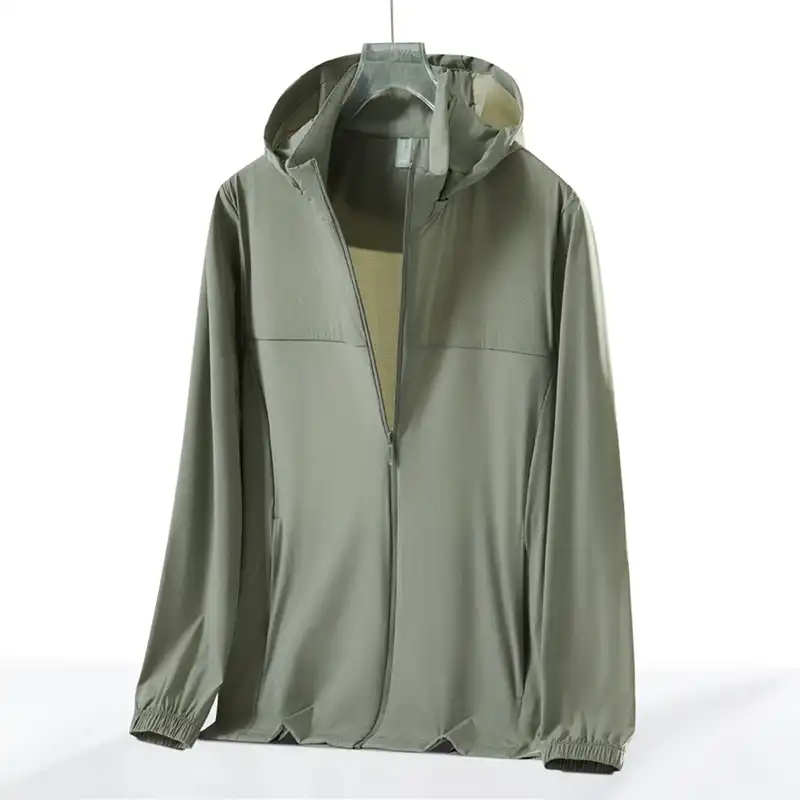
Understanding UPF 50+ Workwear and Its Benefits for Outdoor Professionals
"UPF" stands for "Ultraviolet Protection Factor." This is a common way to measure how well cloth blocks UV radiation. A lot of people are still familiar with the SPF numbers on sunscreen bottles, but UPF numbers are only used for textiles and clothes. Clothing with a UPF grade of 50 or higher blocks about 98% of UVA and UVB rays from getting through. This means that only 1/50 of the sun's rays reach the skin below.
What Makes UPF Different from SPF
UPF protects against both UVA and UVB radiation, while SPF only measures protection against UVB rays, which are what cause burns. UVA rays go deeper into the skin, speeding up the aging process and making cancer more likely to form. This difference is very important for workers who spend their whole shifts outside. Sunscreen needs to be reapplied every two hours because it evaporates when you sweat, but electricians working on power lines or field workers fixing broken equipment rarely have time to do this regularly. Without the need for constant maintenance, UPF 50+ Workwear provides ongoing, washable protection.
The Science Behind Fabric-Based UV Defense
There are several things that affect how well clothing blocks ultraviolet light. The type of fiber is very important. Synthetic materials like polyester and nylon naturally absorb UV light better than cotton. Tighter weave patterns reduce the spaces where light can get through, and some fabrics make titanium dioxide or zinc oxide bits directly into the fibers while they are being made. Before they reach the skin, these ceramic materials bounce and scatter UV rays. Modern technical clothing also has moisture-management systems that move sweat away from the body so that you stay comfortable while working hard in hot weather. This mix of security and breathability solves two problems that electricity workers in sunny parts of North America face when they work outside.
Health Benefits Beyond Sunburn Prevention
The rate of skin cancer in people who work outside is much higher than in people who work inside. According to the American Academy of Dermatology, one in five Americans will get skin cancer at some point in their lives. The main risk factor that can be avoided is cumulative UV radiation. Electrical and utility workers are especially at risk because of surfaces that reflect ionizing radiation. Metal pipes, glass insulators, and bodies of water can all make radiation exposure worse. Buying approved sun-protective UPF 50+ Workwear clothing for work lowers long-term health risks and shows that the company cares about its workers' well-being. Protecting workers from the heat stress and pain that come with too much sun exposure also helps them concentrate and get more done.
Comparing UPF 50+ Workwear Options for Electrical and Field Work
To choose the right protective clothing, you need to know how different fabric methods and design features meet the needs of different jobs. Not all clothes that block the sun are appropriate for the tough conditions that electricians and field workers work in every day.
Standard Workwear vs. Certified UPF Garments
Most traditional work shirts don't protect against UV rays very well; when they're brand new, they usually have a grade between UPF 5 and UPF 15. It only stops 80–93% of radiation at this level, and the amount of protection decreases as the cloth ages or stretches. Testing standards like ASTM D6603 show that Certified UPF 50+ Workwear keeps its protective grade after being washed dozens of times in an industrial washer. Procurement managers should ask for proof that the clothes they're buying meet these standards, because claims on the market are sometimes not true.
Material Technologies for Demanding Environments
Different types of work require different cloth properties. Lightweight polyester mixes that weigh less than 140 grams per square meter work well in hot areas because they let air flow well and protect from the sun. A lot of the time, these fabrics have micro-mesh opening zones under the arms and across the back. These help air flow without reducing coverage. For cooler weather or places that need extra safety, thicker materials that are both flame-resistant and UV-blocking are useful in two ways. These special fabrics are more expensive, but they meet both NFPA 2112 standards for flash fire safety and UPF 50+ approval.
The ability to wick away moisture has a big effect on the comfort and safety of workers. Technical fabrics that have been treated to be hydrophilic actively pull sweat away from the skin and toward the outside of the clothing, where it evaporates quickly. This thermoregulation is very important in the summer, when heat stress can lead to accidents at work. Some more advanced choices also have water-resistant finishes that keep out light rain while still letting air flow. This is helpful for techs who can't run for cover right away when the weather changes quickly.
Additional Performance Considerations
Durability is still very important for work clothes that get worn down, snag, and get washed a lot. High-quality UPF 50+ Workwear has stretch sides that allow for full range of motion while performing overhead jobs and strengthened stitching at stress points. Color choice is also more important than most people think. Darker colors naturally absorb more UV light, but modern cloth processes have made it possible for lighter colors to reach the same level of protection. Lighter colors may be more comfortable in very hot weather because they radiate heat. When choosing clothing colors for their employees, procurement teams should think about both how the clothes look and how well they work.
How to Choose the Right UPF 50+ Workwear for Your Team: A B2B Procurement Guide
There's more to finding safe workwear than just checking prices. For strategic buying to work, operational needs, provider skills, and long-term value propositions must all be carefully considered.
Assessing Your Workforce's Specific Requirements
First, do a full danger assessment of the places where you work. Utility workers are exposed to different types of hazards than people who install solar panels or work in the field of telecommunications. Write down normal shift lengths, changes with the seasons, and any other risks that need protection at the same time, like arc flash or high exposure needs. For some jobs, you need integrated options, like clothes that meet ANSI/ISEA 107 visibility guidelines and are also UPF 50+ Workwear certified. Knowing these different levels of needs keeps you from making expensive mistakes when shopping for clothes that only cover one risk and not another.
Think about how your team is spread out across the United States. Workers in the southwestern desert are exposed to strong UV rays all year, so their gear needs to be as protective and cool as possible. People who live in northern states may need options that can be used in a variety of situations. Customization is useful when outfitting different teams, because techs like clothes that are made to fit their unique work situations better than clothes that are made to fit everyone.
Supplier Evaluation Criteria
Verifiable testing compliance and open quality control procedures are hallmarks of reputable UPF 50+ Workwear makers. Ask for proof that the clothes are tested with a spectrophotometer according to AATCC 183 guidelines, which measure the UV transmittance across the 280–400 nanometer range. Instead of depending only on their own claims, reputable suppliers are happy to provide certification from outside testing labs.
For big businesses, production capacity and transportation dependability are very important. Suppliers who already have a manufacturing system in place can handle large orders without delaying delivery dates. Shenzhen Welston Garment Co., Ltd. has been in business since 1998 and has three plants with ten production lines and more than 580 workers. This size makes it possible to get uniform quality output and a variety of ways to fill orders. Cutting, sewing, and finishing must be done precisely with high-tech tools from companies like JUKI and SHINLING to maintain the quality.
Customization and Minimum Order Quantities
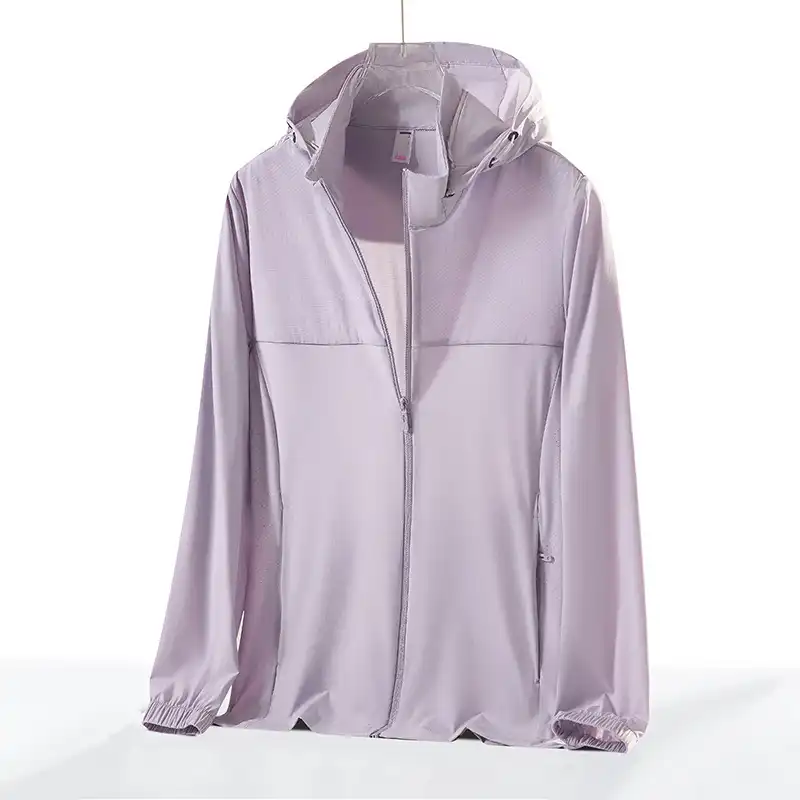
A lot of business-to-business buyers need branded clothing with company names and certain color schemes. Customization options from good providers include screen printing, embroidery, and heat transfer, all of which don't affect how well the clothing works. Check that the processes used for decoration don't create UV-permeable zones. If the logo placement is done right, it should cover the whole clothing evenly.
Different sellers have different minimum order amounts, but they are usually between 50 and 200 pieces of each style and size. Companies with smaller teams or that are testing new goods should look for providers that have fair minimums. Welston can take orders as low as 100 pieces and gives customers choices about the material, the brand, and the way the items are packaged. This makes the company accessible to medium-sized buyers while still getting the job done quickly.
Pricing Structures and Long-Term Value
While the price of the garment itself is a clear factor to think about, the overall cost of ownership is a more useful one. UPF 50+ Workwear of higher quality keeps its protective ratings for longer, so you don't have to change it as often. Figure out the cost per wear instead of the cost per garment. A high-quality shirt that will last three seasons and provide constant protection is a better deal than a cheap shirt that needs to be replaced every year.
Larger orders usually get volume savings, but procurement managers should also look into relationship opportunities. Customers who commit to long-term ties with established providers may get better prices, more flexible payment terms, and first choice for production schedules. Most of the time, these benefits are greater than the small saves that can be found through transactional buying methods.
Maintaining and Maximizing the Performance of UPF 50+ Workwear
Taking care of clothes the right way has a direct effect on how long they last and how well they protect you. When clothes are laundered or stored in the wrong way, even the best work clothes wear out faster than expected.
Washing Guidelines for UV-Protective Fabrics
Although specific procedures improve results, most UPF 50+ Workwear can be washed in a standard industrial washer. Instead of hot water, wash clothes in warm water with mild soaps that don't contain optical brighteners or bleach options. These chemicals can break down UV-absorbing treatments. Don't use fabric softeners because they leave behind leftovers that could make fabrics less able to wick away moisture. If you can, let clothes dry naturally or use a fan with low heat. Over time, too much heat breaks down synthetic fibers.
Fiber-embedded protection technologies, in which UV-blocking substances are mixed in while the yarn is being made, last longer than chemical finishes that are applied to the surface. Clothes that use doping methods stay effective for 50 or more washings, while surface treatments might not work as well after 20 to 30 washings. The technology that providers use should be made clear in the procurement requirements, as this has a big effect on the lifecycle of the garment.
Inspection and Replacement Protocols
Set up regular checking plans to find clothes that need to be thrown away. Some signs that can be seen are heavy fading, excessive pilling, cloth that is getting thinner, or stretched areas that make the weave less dense. These signs of wear and tear suggest that UV protection is decreasing, even if the clothes are still physically sound enough to be worn. Instead of depending on their own opinions, fleet managers should set up tracking systems that keep records of issue dates and wash counts. This way, replacement choices can be based on facts.
Having the right storage between jobs is also important. Hang clothes in well-ventilated places out of direct sunlight. In a strange way, UV exposure during storage makes protection less effective over time. Give workers enough locker room so they don't have to leave their clothes in the back of vehicles, where the heat and sunlight speed up wear and tear.
Real-World Case Studies: UPF 50+ Workwear in Action for Electrical and Field Jobs
Looking at real-life examples helps buying teams understand the real benefits and possible problems that might come up when switching to approved sun-protective UPF 50+ Workwear.
Solar Energy Installation Teams
Using lightweight UPF 50+ Workwear with improved breathability and moisture control, a green energy contractor in Arizona outfitted 40 work teams. Technicians used to wear heavy sunscreen and regular work clothes when they worked on solar farms that were out in the sun with little shade. The number of reported sunburns dropped by 35% during the first season, according to the company. Feedback from workers showed that better sweat drainage made them more comfortable, which helped them focus on precise tasks like making electrical connections. The buying manager said that even though the clothes cost more up front, the lower costs of sunscreen and fewer slowdowns caused by heat proved to be a good investment.
Utility Line Maintenance Operations
An electric company that serves the southeast of the United States gave its line staff clothes that were approved to meet both arc-rated and UPF 50+ standards. Instead of putting on different layers of protection, these specialized clothes dealt with multiple dangers by using technology that was built into the fabric itself. Crews said they could move around more easily than with past multi-layer approaches, and safety officers confirmed that they were still meeting NFPA 70E standards. After 18 months, the utility did follow-up tests and found that the sturdiness of the clothing went above and beyond estimates. Most of the pieces were still fully protecting the wearer after being used in the field and washed many times.
Telecommunications Field Technicians
A national telecommunications company with users all over the US started giving field workers who do installations and fixes approved sun-protective clothing. Part of the release was training that went over UPF ratings and how to take care of clothes properly. 82% of technicians who answered the survey said they liked the new work clothes better than the old ones because they kept them cooler during summer tasks. Management kept track of incident reports and saw a drop in comments about being in the sun and being too hot. Because it worked so well, the program was expanded to cover more operating areas.
Conclusion
For electricians and field techs who are exposed to UV rays every day, UPF 50+ Workwear is a crucial part of complete safety plans for the workplace. The special clothes use cutting-edge textile engineering and useful design elements to provide consistent sun protection without the problems that come with using sunscreen on the skin. Procurement strategies that work well combine technical requirements with operational needs, supplier skills, and long-term value. Companies that buy approved sun-protective clothing for their workers show that they care about their health and may be able to save money on health problems and lost output caused by the sun. Choosing the right clothes and following the right care and replacement rules will keep them safe for as long as the products last, protecting outdoor workers in all kinds of weather and work situations.
FAQ
1. Does UPF 50+ Workwear lose effectiveness after repeated washing?
The answer relies on the technology used to make the product. Since UV-blocking chemicals are added to yarn during production, clothes with fiber-embedded protection keep their UPF ratings through dozens of industrial wash cycles. After 20 to 30 washes, fabrics that have been cleaned on the outside may start to break down slowly. Quality sellers give paperwork that says how long clothes are supposed to last based on ASTM D6544 tests that mimic wear and washing conditions. When looking at choices, procurement managers should ask for these details.
2. Can UPF-rated garments accommodate workers who need flame-resistant clothing?
Workwear that meets both UPF 50+ and flame-resistance standards is made by specialized companies. These clothes have been approved by two different organizations to work in places where there is a risk of arc flash and a risk of sun exposure. The materials usually cost more than choices that are only used for one thing, but they get rid of the need to layer different protective elements. Instead of thinking that clothing offers broad protection, you should always check that it has the right approvals for all the needed danger categories.
3. How does garment fit impact UV protection levels?
When cloth is stretched, it makes the gaps in the weave structure bigger, which could let more UV light through. Elastane or similar stretch fibers are used in high-quality UPF 50+ Workwear to keep the structure intact and ensure that the weave goes back to its protective density even after being moved. It's important to get the right size; clothes should let you move freely without pulling too much across your shoulders, backs, or arms while you do normal work tasks.
Partner with Welston for Premium UPF 50+ Workwear Solutions
Welston has everything that procurement managers need when they're looking for a trusted UPF 50+ Workwear provider. We've been making business uniforms and professional workwear for 27 years, and we mix technical know-how with the ability to make changes that fit a wide range of practical needs. With three factories and ten production lines, we can keep the quality of orders from 100 to several thousand pieces, and our high-tech equipment makes sure that every piece of clothing is made precisely. Big companies like Panasonic, Benz, and Toyota are among our clients. We make highly advanced clothing that meets strict B2B standards. You can talk about your team's specific needs, ask for fabric samples, or get full quotes by emailing [email protected]. Our helpful support team responds quickly and gives useful solutions within 24 hours, making sure that the buying process goes smoothly and meets your safety and price goals.
References
1. American Academy of Dermatology. (2022). "Occupational Skin Cancer Risk Factors and Prevention Strategies for Outdoor Workers." Journal of the American Academy of Dermatology, Volume 86, Issue 4.
2. International Agency for Research on Cancer. (2021). "Solar Ultraviolet Radiation and Occupational Exposure: Global Assessment Report." World Health Organization Publications.
3. National Institute for Occupational Safety and Health. (2023). "Sun Protection for Outdoor Workers: Technical Guidance and Compliance Standards." NIOSH Publication Series.
4. ASTM International. (2020). "ASTM D6603-19: Standard Guide for Labeling of UV-Protective Textiles." ASTM Technical Standards Directory.
5. American Industrial Hygiene Association. (2022). "Ultraviolet Radiation Exposure in Electrical Utilities: Risk Assessment and Protective Measures." AIHA Technical Reports.
6. Occupational Safety and Health Administration. (2023). "Heat Stress Prevention and UV Protection for Outdoor Construction and Utility Workers." OSHA Safety Guidelines Publication.
We specialize in designing, producing, and selling corporate clothing. Mainly produces: industrial clothing, business uniforms, and work clothes for different companies.

About Welston Garments


