What Makes a Polo Shirt Ideal for Industrial or Factory Use?
When people on buying teams look at factory work clothes, the Uniform Polo is always the best choice. On the other hand, dress polos that are made by professionals are built to last and look good. They keep workers comfortable on long shifts and still show off the brand. The stitches on these clothes are stronger, the fabrics are quick to dry, and the markings can be changed to meet company standards. Finding the right polo shirt is important because it needs to be both useful and look professional. This makes it perfect for many types of workplaces where people need to be able to move around easily, keep the right temperature, and keep a uniform look that represents the company.
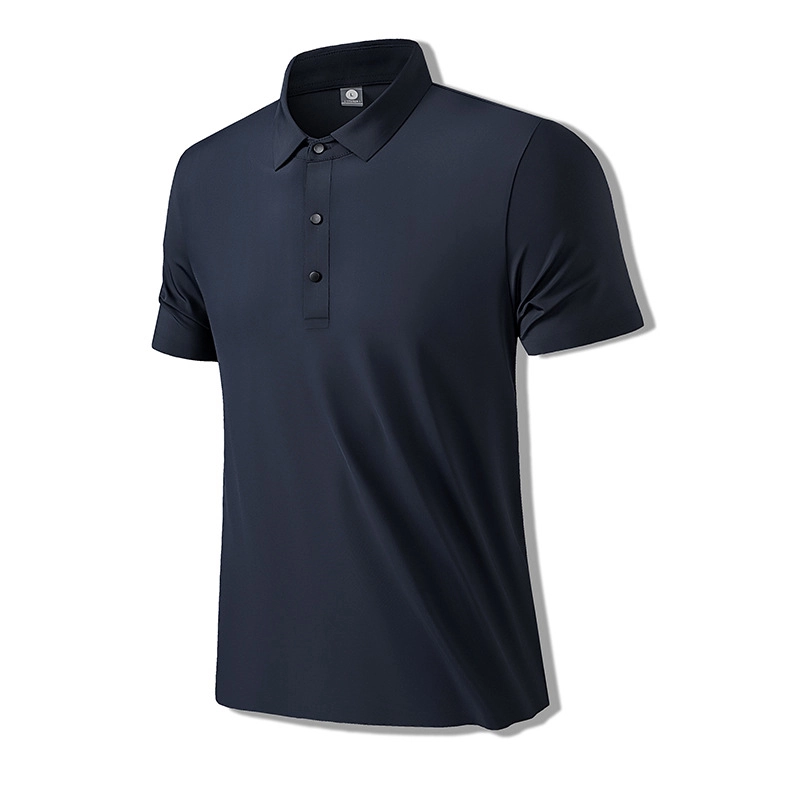
Understanding the Role of Polo Shirts in Industrial and Factory Settings
Polo shirts used to be something people wore for fun, but now they have to be worn to work. It's interesting to see how clothes technology has changed over time. Polo shirts were first worn for sports and other relaxed events. Since then, they've become more popular in business settings because they're a great mix of casual and dressy. These days, industrial polo shirts are better than the loose ones of the past in some ways.
From Leisure to Labor: The Transition of Polo Shirts
Decades ago, plant workers wore plain t-shirts lacking professional appearance or stiff dress shirts restricting movement. The Uniform Polo emerged as the optimal solution with its soft collar, buttoned placket, and breathable materials. As workplace dress codes relaxed during the 1990s, industries across North America and Europe recognized that worker comfort directly affected productivity. Polos provided professional appearance without impeding movement, adopted by tech companies and transportation hubs where teams moved from warehouse to client meetings.
Engineering for Durability and Comfort
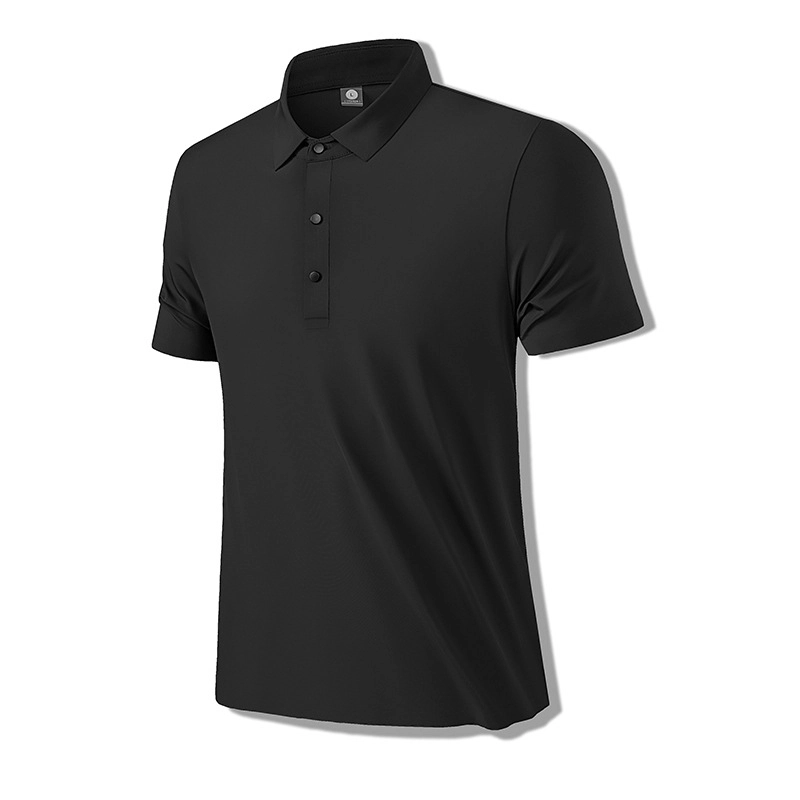
Quality Uniform Polos use blended materials, typically 60% cotton and 40% polyester, providing strength without sacrificing breathability. Fabric weight between 180gsm and 240gsm ensures garments maintain shape after repeated washing. Lighter materials may seem cheaper initially but cost more due to frequent replacement. Heavy-gauge fabrics withstand the wear of leaning against equipment or moving materials in industrial environments.
Practical Benefits for Industrial Environments
Blended fabrics resist wrinkling and dry quickly, simplifying laundry operations. Collars maintain shape after washing, preventing the cheap "bacon collar" appearance. Rib-knit cuffs keep sleeves positioned during work without interfering with tools or materials. Piqué or jersey knit fabrics allow airflow when working environments become warm. Performance blends with moisture-wicking properties move sweat away from the body, increasing comfort and reducing complaints about uncomfortable uniforms.
Key Features That Make a Polo Shirt Suitable for Industrial and Factory Use
Get to know the exact performance differences between casual and industrial-grade polos in order to pick the right ones for your team. A lot of technical things should be looked at by buying experts to make sure that clothes are useful.
Fabric Technology and Moisture Management
Fabric engineering has come a long way, and now simple polo shirts can be made into useful job clothes. Uniform Polos these days often have technology built in that pulls sweat away from the skin. The capillaries in these systems pull sweat away from the skin. People who do light physical work, like on assembly lines, during quality checks, or when doing light packing, will find this feature useful.
No matter what the job is, cotton-rich or synthetic-rich mixes might be better. Fabrics that are mostly cotton (60–65% cotton) breathe easily and are soft, so they are great for warm places and jobs that need to be worn for a long time. When a business needs to wash a lot of clothes, polyester-rich blends help the colors last longer and dry faster. A 65/35 mix of polyester and cotton is common in the business. This makes clothes durable while still being nice to wear.
Controlling wetness is more than just getting rid of sweat. Good work polos have antimicrobial treatments that keep smells from building up during long shifts. The cloth can breathe without germs being able to grow because of these treatments, so workers can stay clean all day.
Durability and Resistance Features
Industrial fabrics must withstand constant stress. Reinforced shoulder seams handle twisting during reaching and lifting. Bar-tack stitching at sleeve connections and side vents prevents seam failure. Pilling resistance maintains professional appearance—cheap polos develop fuzzy surfaces after few wears, damaging brand image. Combed or compact-spun yarns prevent fiber migration. Industrial-grade polos should achieve Grade 4+ colorfastness per ISO 105 standards for consistency across large uniform programs.
Ergonomic Design and Fit Considerations
Proper fit increases comfort and productivity. Industrial polos should have exactly enough fabric to avoid catching on machinery. Measure chest across fullest part with tape level but not tight. Measure shoulder width across back from edge to edge. Short sleeves end midway down arm; long sleeves end at wrist. Length should fall just below waist. Welston offers sizes S to 5XL, enabling consistent team dressing while accommodating individual needs.
Customization and Branding: Elevating Uniform Polos for Industrial Identity
Uniform Polos are a great way to strengthen the character of a company at work. Customization that works well can turn plain clothes into parts of a business's visual identity that look good with other things it owns.
Embroidery and Printing Techniques
Embroidery provides superior durability withstanding hundreds of washes without quality loss, best suited to heavy polos that support dense stitch patterns without puckering. Screen printing allows more colors and detailed patterns at lower cost for large quantities, using eco-friendly inks remaining bright after repeated washing. Silicon seal and 3D logo treatments enable raised, modern-looking logos that won't peel or crack. Method choice depends on budget, design complexity, and expected garment lifespan.
Strategic Color Selection
Teams may select from black, navy, green, sky blue, pink, white, and purple to match brand guidelines. Dark colors like navy and black hide minor stains, maintaining cleaner appearance longer. Lighter colors like sky blue or white convey cleaner, more professional image suited to customer-facing roles or environments where clear visibility matters. Lab dip approvals verify new batches match established standards before production, preventing color variation across different procurement cycles.
Bulk Ordering and Cost Efficiency
To buy uniform polos in a smart way, you need to find a mix between price and quality. When you order in bulk, the price per unit goes down, and you can be sure that there is enough stock. There are different minimum order amounts for each seller, but well-known names like Welston have terms that are flexible enough for both small tests and large-scale operations.
Most of the time, volume deals start when you buy more than 50 units. When you buy more than 200 units, you save even more. Purchasing teams should make plans 12 to 18 months ahead of time to get the best deals on big items and avoid having too much extra stock that costs money. If you keep extra stock on hand, you can handle last-minute jobs or repair needs without having to pay a lot for expensive emergency rush orders.
Cash flows are controlled by the terms of payment. In this business, it's common to pay 30% up front to hold production spots and buy raw materials. The other 70% is due before the shipment. This method keeps buyers and sellers safe and makes it easy for deals to go through.
Comparison and Decision-Making: Polo Shirts vs. Other Workwear Options
When buying standard Uniform Polos, comparing them to other work clothes helps teams make smart choices that meet business goals and stay within budget.
Comfort and Practicality Analysis
Polos provide freer movement than dress shirts through soft knit construction enabling arm raising without binding. They cost slightly more than basic t-shirts but deliver superior professional appearance appropriate for customer-facing roles. Ribbed collars and sleeves create businesslike appearance without the laundry difficulty of button-down shirts. Long sleeves provide coverage and warmth; short sleeves suit hot environments or roles requiring extensive arm movement.
Professional Appearance and Brand Representation
Staff, customers, and guests can tell what a company stands for by its outfits. Good plans for uniform polo shirts show that the business is organized, pays attention to the little things, and values its employees. Because they look clean and sharp, good polos are better than cheap t-shirts for making a first impression.
There's more to a brand's image than what people see at first glance. When workers dress in comfortable clothes that go with their work, they often feel better about their jobs and the personality of their team. When you think about buying an outfit, don't forget about this psychological gain. People who are dressed well are more likely to be proud of their jobs and the company they work for.
Investment Value Assessment
Industrial polo costs vary by fabric quality, construction, and customization complexity. Basic polos with simple branding cost 8−8−12 per unit. Premium styles with advanced features reach 20−20−30. Cheap polos requiring replacement every 6-8 months cost more than quality polos lasting 18-24 months. Request samples before bulk purchase—physical evaluation of fabric, construction, and customization alongside test washing reveals performance not apparent from specifications alone.
Procurement Best Practices for B2B Buyers in Industrial Polo Shirts
To make sure you always have the right clothes, Uniform Polo buying involves looking at different sources, making plans for when to order them, and checking the quality of the clothes.
Supplier Evaluation and Quality Assurance
Manufacturing experience—suppliers with long histories avoid common pitfalls and maintain quality control. Production capability—multiple lines better handle demand fluctuations. Welston operates 10 lines with advanced JUKI and SHINLING equipment. Rigorous inspection protocols include size consistency checks, shrinkage testing (+/-3% target), and colorfastness verification. AQL 2.5 standards define acceptable defect levels for corporate uniform programs, balancing quality requirements with production realities.
Negotiating Terms and Managing Logistics
Clear specifications prevent misunderstandings causing delays or quality issues. Specify fabric type, weight (GSM), construction details, color standards, customization placement, and sizing requirements. Custom industrial polos typically require 3-6 weeks lead time depending on order complexity and quantity. Standard styles with basic embroidery may ship within 3 weeks; multi-color printing or specialty fabrics require longer. Expedited options cost premium. Understand FOB and CIF incoterms to avoid unexpected costs.
Extending Uniform Lifespan Through Proper Care
You can make your dress shirt last longer by taking good care of it. To get the most out of your money, wash your clothes the right way. This will keep their shape and look. Business laundry rooms should only use professional soaps that are safe for work clothes and stay away from strong chemicals that wear down fabrics more quickly.
How hot or cold it is when you wash clothes is important. Do not use hot cycles on most mixed polos; instead, wash them in warm water (40–60°C). Hot cycles can set spots or make clothes shrink too much. Turning clothes inside out before washing them will protect the outside and any logos from damage that might happen from contact.
A lot of stress should be put on how to quickly treat spots and stay away from fabric softeners, which can make clothes less able to wick away wetness. If you know how to take care of your clothes the right way, they will last 30 to 40 percent longer, which will save the school money.
Conclusion
Industrial Uniform Polos are a good buy because they make you look professional and are also useful. Quality uniform polos made for factories and other industrial areas are comfortable, last a long time, and keep the look of your brand similar. This is why they are important to have. Because they are made with current fabric technology, have well-thought-out design features, and can be customized, these clothes can be used in a lot of different fields. They can make choices that are better for both workers and the company's bottom line if they know the technical differences between casual and industrial-grade polos. This can help make programs that are the same across the board, which can improve operations and give the company a constant look.
FAQ
1. What kind of fabric mix works best for polo shirts for work?
For most business uses, a mix of 60/40 cotton and polyester or 65/35 polyester and cotton is best. Cotton breathes easily and feels good against the skin. Polyester, on the other hand, stays colored longer, dries faster, and lasts longer. You can wash this mix a lot of times and it will still look good. Higher amounts of polyester may work better in places with a lot of wetness, while jobs that need to be comfortable in mild weather are better matched to mixes with a lot of cotton.
2. How many wash cycles should quality industrial polos withstand?
Professional Uniform Polos should look good and keep their shape for at least 100 to 150 commercial wash cycles if you take good care of them. Strong seams, colorfast colors that meet Grade 4+ on ISO 105 standards, and the lack of pilling are all signs of high quality. If you choose cheaper options, they might break after 30 to 50 washes. This means you have to buy new ones too soon, which raises the total cost of ownership.
3. What lead times should buyers expect for custom-branded industrial polos?
It usually takes between 3 and 6 weeks to make something from the time an order is approved until it is delivered. It usually takes 3–4 weeks to embroider on stock fabrics with simple patterns. If you want certain changes or colors to match, it might take 5–6 weeks. A rush order can cut the wait time to two to three weeks, but it usually costs more. International shipping can take an extra week or two, depending on where the package is going and the way of shipping picked.
Partner With a Trusted Uniform Polo Manufacturer
Welston brings nearly three decades of expertise to industrial workwear solutions, specializing in custom-branded polo shirts that meet rigorous factory environment demands. Our facility operates 10 dedicated production lines equipped with advanced JUKI and SHINLING equipment, ensuring consistent quality across orders of any size. We serve corporate clients across North America, Europe, the Middle East, and Asia-Pacific regions with both short-sleeve and long-sleeve polo options in sizes S through 5XL, featuring customizable colors, materials, and professional branding through embroidery, printing, or 3D logos. Our streamlined order process supports everything from design consultation through quality-controlled delivery, backed by responsive customer service throughout your procurement journey. Contact [email protected] to discuss your uniform polo for sale requirements and receive a detailed quote tailored to your specific industrial application.
References
1. Johnson, M. & Williams, R. (2021). "Industrial Textile Performance Standards for Commercial Uniforms." Journal of Occupational Workwear Technology, Vol. 18, pp. 112-134.
2. Anderson, K. (2020). "Cost-Benefit Analysis of Workwear Investment in Manufacturing Environments." Corporate Procurement Quarterly, Issue 3, pp. 45-67.
3. Chen, L. & Rodriguez, P. (2022). "Fabric Engineering for Professional Uniforms: Durability and Comfort Metrics." Textile Science International, Vol. 29, No. 2, pp. 203-228.
4. Thompson, S. (2019). "The Evolution of Business-Casual Workwear in Industrial Settings." Industrial Management Review, Vol. 44, pp. 78-95.
5. Martinez, E. & Sullivan, D. (2023). "Quality Control Protocols for B2B Uniform Procurement." Supply Chain Management Today, Vol. 31, Issue 1, pp. 156-179.
6. Williams, H. (2021). "Colorfastness Standards and Testing Methods for Commercial Garments." International Textile Quality Journal, Vol. 15, No. 4, pp. 89-106.
We specialize in designing, producing, and selling corporate clothing. Mainly produces: industrial clothing, business uniforms, and work clothes for different companies.

About Welston Garments


